Backpacking Guide for Beginners: Gear, Tips & Safety (2026)
Beginner's guide to backpacking — essential gear picks, trip planning checklist, trail safety tips, and how to choose a tent, sleeping bag, and pack.
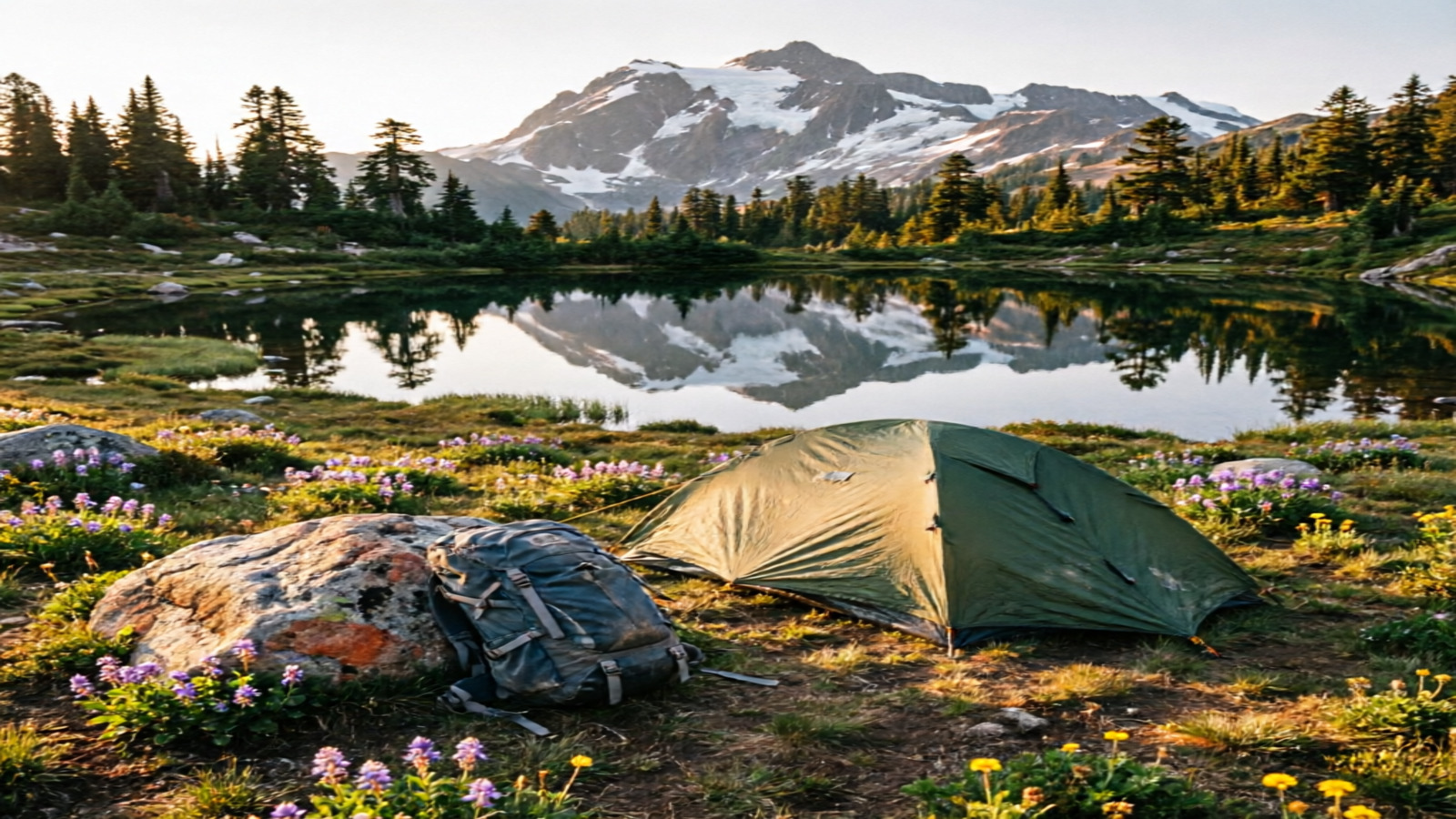
Backpacking means loading everything you need to survive into a pack on your back, hiking miles into the wilderness, and camping at a site reachable only on foot. No cars, no electricity, no running water. Just you, your gear, and the trail.
This guide covers everything a first-time backpacker needs: how to plan a trip, choose the right gear, pack efficiently, and stay safe on the trail. For shorter car-accessible trips, see our lake camping guide. For remote backcountry routes, see our backcountry camping guide.
How to Plan Your First Backpacking Trip
Choose Your Trail and Season
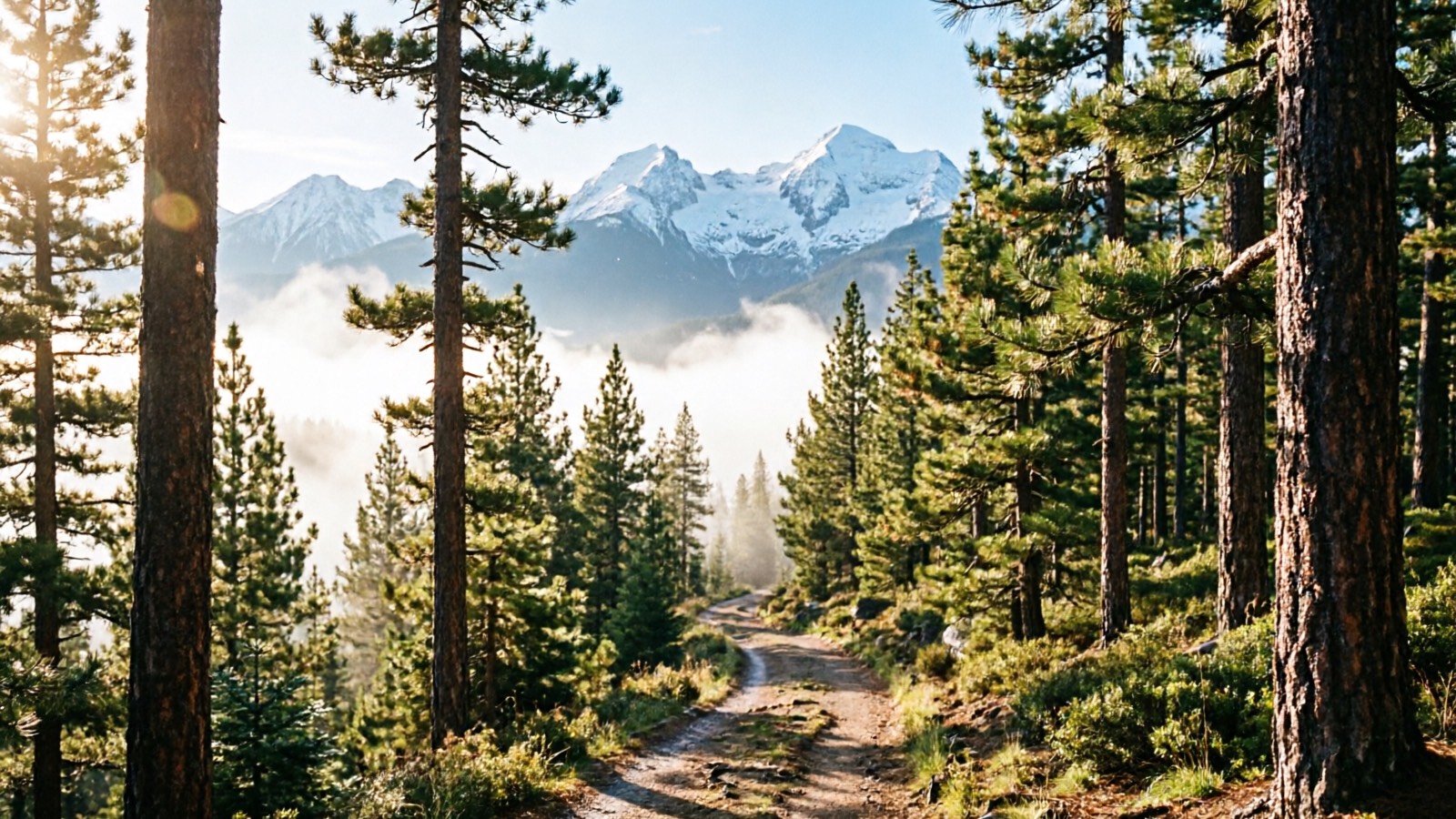
Your first backpacking trip should be short, well-marked, and close to home. Aim for 5-8 miles round trip with moderate elevation gain — enough to feel like an adventure without destroying your body. National and state parks with established backcountry campsites are ideal first choices.
Shoulder season trips (May or September) offer cooler temperatures, fewer crowds, and more available permits. Summer is popular but hotter, buggier, and more competitive for permits. Check the national park camping guide for destination-specific planning.
Permits and Regulations
Most national parks require backcountry permits — available at visitor centers or through recreation.gov. Popular parks like Yosemite and Zion require advance reservations.
National forests generally allow dispersed camping without permits. See our primitive camping guide for permit-free options.
Many areas require bear canisters in bear country. Always carry a copy of your permit.
Tell Someone Your Plan
Before every backpacking trip — even a short one — file a trip plan with a trusted person. Include your exact trail and route, vehicle make and location, expected return date, and a check-in time. If you do not check in by the agreed time, that person calls ranger dispatch with your information.
Cell service is unreliable or nonexistent in most backcountry areas. This simple step is the single most effective safety measure for any wilderness traveler.
Essential Backpacking Gear at a Glance
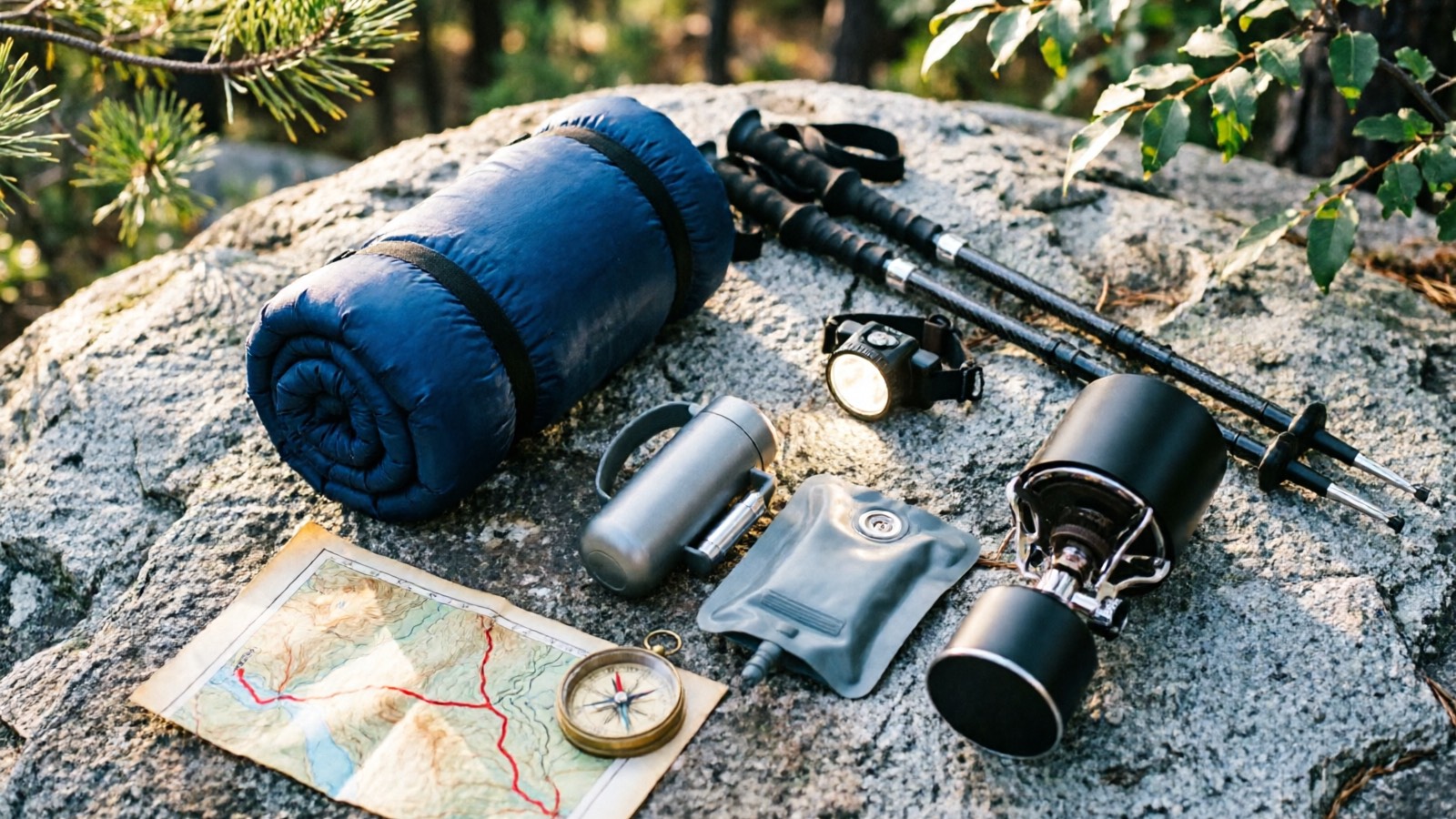
Backpacking gear must satisfy one rule: everything must justify its weight. The table below covers the eight essential items every beginner needs. For a full printable list, see our camping packing list.
Gear Recommendations
| Gear Category | Recommended Product | Best For | Key Feature |
|---|---|---|---|
| Tent | Clostnature Lightweight Backpacking Tent | Lightweight trail shelter | Ultralight, 2000mm waterproof, freestanding |
| Sleeping Bag | ECOOPRO Warm Weather Sleeping Bag | Budget ultralight 3-season bag | 50°F rating, compression sack |
| Backpack | Loowoko 50L Hiking Backpack | Affordable 50L for 2-3 day trips | Rain cover, ventilated back panel |
| Trekking Poles | TREKOLOGY Trek-Z Cork Grip Poles | Joint-saving stability on trails | Cork grip, folding, packs to 15in |
| Sleeping Pad | Klymit Static V Sleeping Pad | Compact pad for backpacking | R-value 4.5, 18.6oz, packs to 3x8in |
| Water Filter | LifeStraw Personal Water Filter | Drinking from streams and lakes | Filters 99.99% bacteria, 2oz |
| Headlamp | LHKNL LED Headlamp 2-Pack | Hands-free camp and trail light | USB-C, white + red modes |
| Stove | AOTU Portable Backpacking Stove | Ultralight hot meals on trail | Piezo ignition, folds to pocket size |
Choosing a Backpacking Tent
Your tent is your shelter in the backcountry — it protects you from rain, wind, insects, and cold. For backpacking, the three priorities are weight, packability, and weather resistance. The Clostnature Lightweight Backpacking Tent delivers all three at a beginner-friendly price point.
It features 2000mm PU waterproofing, a freestanding double-layer design with inner mesh body and waterproof rainfly, and ventilated mesh panels for airflow. The freestanding design is especially beginner-friendly — set it up anywhere, move it after pitching, and re-stake without teardown.
“The tent is seriously very light, packs away small, and has room in the tent bag for my inflatable sleeping pad inside as well,” a reviewer confirmed.
What we like: ultralight design, 2000mm waterproof rating, freestanding setup, double-layer with mesh ventilation, packs small, multiple sizes available.
What could be better: quality control is inconsistent. “It arrived with mud stains and a hole in the mesh,” one user reported. “One of the grommets on the ground strap came apart — broke in half on initial setup,” another wrote. Thin pole sections may bend in high wind.
For more options, see our backpacking tent review and budget tent review.
Key selection factors: Weight (aim under 4 pounds for a 2-person tent), waterproof rating (minimum 1500mm, 2000mm+ preferred), freestanding vs non-freestanding (freestanding is easier for beginners), and season rating (3-season handles spring through fall). Always seam-seal a new tent before your first trip.
Choosing a Sleeping Bag
Your sleeping bag keeps you alive at altitude and in cold weather. The three factors for backpacking are temperature rating, weight, and pack size. The ECOOPRO Warm Weather Sleeping Bag is a budget-friendly entry point with a mummy shape design, 50°F comfort rating, waterproof shell fabric, and included compression sack.
“Given its small size, I was worried about if I would fit and how warm it would be — I am happy to say that it exceeded expectations,” one user shared.
What we like: budget-friendly, lightweight mummy design, 50°F comfort rating, waterproof shell, compression sack included, packs small.
What could be better: comfort rating is overrated for cold conditions. “This is not suitable for anything under 65°F — I would rather have added the extra weight to my pack and not shivered the whole night,” one reviewer warned. Thin material and poor stitching on some units. Tight fit for larger body types.
For colder conditions, see our backpacking sleeping bag review and winter sleeping bag review.
Selection guide: Temperature rating (choose 10°F below the coldest expected low), insulation type (down is lighter and compresses smaller but loses warmth when wet; synthetic is heavier but retains warmth when damp), weight (aim under 3 pounds for 3-season), and shape (mummy retains heat best; rectangular offers more room but is heavier).
Choosing a Backpacking Pack
Your backpack is the foundation of your gear system — it carries literally everything. For beginner backpacking, a 40-65 liter pack covers trips from overnight to 5 days. The Loowoko 50L Hiking Backpack hits the sweet spot for capacity and price.
It features a rain cover (essential — wet gear in the backcountry is dangerous), ventilated back panel, adjustable torso length, padded hip belt that transfers weight to hips instead of shoulders, and multiple compartments for gear organization.
“This backpack put up with a lot without any tears or problems — incredible what you get for the price,” a reviewer confirmed after traveling the Pacific Islands.
What we like: affordable 50L capacity, rain cover included, ventilated back panel, adjustable torso length, padded hip belt, multiple compartments.
What could be better: material durability is the consistent complaint. “Paper thin material — some of the stitching was already torn upon arrival,” one user reported. “First trip on a trail one of the load adjusting straps breaks,” another wrote. The shoe pocket takes up too much interior space. See our camping backpack review for alternatives.
Pack sizing: Capacity (40-50L for 1-2 nights, 50-65L for 3-5 nights), torso length (measure from C7 vertebra to iliac crest — most packs fit 16-20 inch torsos), hip belt (padded is non-negotiable — it carries 70-80% of pack weight), and empty weight (should stay under 3 pounds).
Other Essential Gear
Trekking Poles
Trekking poles reduce knee impact by up to 25% on descents, improve balance on rocky terrain, and double as tent poles for some shelter setups. The TREKOLOGY Trek-Z Cork Grip Trekking Poles feature ergonomic cork grips, a folding 3-section design that packs to 15 inches, and adjustability from 24 to 54 inches.
“These survived a 30+ day pilgrimage — sturdy, sleek, and lightweight,” a long-distance hiker confirmed.
What we like: cork grip handles, folding 3-section design, packs to 15 inches, EVA foam extension grip, adjustable 24-54 inches.
What could be better: joint reliability is the main concern. “One pole broke only after 4 uses — the lower joint unscrewed while I was hiking,” a reviewer reported. “They don’t stay connected — once stuck in snow or dirt they pull apart,” another warned. See our trekking pole review for alternatives.
Sleeping Pad
A sleeping pad provides insulation from cold ground and cushioning for sleep comfort. The Klymit Static V Sleeping Pad features R-value 4.5, weighs only 18.6 ounces, and packs to 3x8 inches. The V-chamber design prevents rolling, and side rails add edge insulation.
“Super comfortable and easy to inflate once you get the hang of it — compacts very small but expands pretty good,” a reviewer noted.
What we like: R-value 4.5, ultralight 18.6oz, packs to 3x8in, V-chamber anti-roll design, inflates in 10-15 breaths.
What could be better: valve reliability is the consistent issue. “The valve broke on the first night — lost the small flimsy piece that keeps air in,” one user reported. “Leaks and is not usable — deflated within the hour on first use,” another wrote. Narrow 20-inch width is tight for larger campers. See our sleeping pad review.
Water Filter
In the backcountry you drink from streams, lakes, and springs. A water filter eliminates the need to carry heavy water bottles. The LifeStraw Personal Water Filter removes 99.99% of bacteria and 99.9% of parasites, filters up to 1,000 gallons, and weighs only 2 ounces.
“Great for times when you are not sure about water quality — no longer need to carry water bottles,” a reviewer confirmed.
What we like: removes 99.99% bacteria and 99.9% parasites, removes microplastics, 1,000-gallon lifespan, ultralight 2oz, no batteries.
What could be better: single straw design is inefficient for groups. “One pack means 1 straw only — very misleading,” one frustrated buyer wrote. Does not remove dissolved chemicals or heavy metals. See our water filter review for group alternatives.
Headlamp
Backcountry campsites have zero artificial light. The LHKNL LED Headlamp 2-Pack provides USB-C rechargeability, white and red light modes, IPX4 waterproofing, and an adjustable 45-degree beam.
“Still works — bought it years ago,” a long-term reviewer confirmed.
What we like: 2-pack covers two people, USB-C charging, white plus red modes, IPX4 waterproof, adjustable 45-degree beam.
What could be better: battery degradation is common. “Initially great, but last week both stopped charging — now completely useless,” one user reported. “They randomly turn themselves off even on a full charge,” another wrote. See our headlamp review.
Backpacking Stove
A hot meal at the end of a long trail day is non-negotiable morale. The AOTU Portable Backpacking Stove features piezo ignition, a foldable design that fits in your palm, and weighs only 5.3 ounces.
“Perfectly small — ideal for heating water and works with a small frying pan,” a reviewer noted.
What we like: piezo ignition, foldable pocket-size design, wind-resistant burner, compatible with standard fuel canisters, 5.3oz ultralight.
What could be better: the piezo igniter is unreliable. “The starter broke after the first use — no longer ignites without using external source,” one user reported. “Igniter broke first time I used it — cheap junk,” another wrote. Always carry a backup lighter. See our camping stove review.
Backpacking Tips for Beginners
Pack Light, Pack Right
Every ounce in your pack is an ounce you carry up every hill. Ruthlessly evaluate every item — ask “will I use this?” and “can I survive without it?” Common mistakes: packing cotton clothing (heavy when wet, no insulation), too many clothes (one hiking set plus one sleeping set is sufficient), and overpacking food.
Your base weight — everything except food, water, and fuel — should stay under 15 pounds. See our camping packing list for a refined checklist.
Leave No Trace
Leave the wilderness exactly as you found it. Pack out all trash — including orange peels and apple cores, which take months to decompose at altitude. Stay on established trails to prevent erosion.
Camp at least 200 feet from water sources. Do not feed or approach wildlife.
Use a camping stove instead of building fires where fire rings are absent. Bury human waste in catholes 6-8 inches deep and 200 feet from water, trails, and campsites.
Water Management
Water is the heaviest thing you will carry — 2.2 pounds per liter. In the backcountry the strategy is carry less, filter more. Most backpackers carry 2-3 liters and refill at streams and springs along the trail using a water filter.
Research water sources on your route before departure — some trails have long dry stretches. Never drink unfiltered backcountry water — bacteria and parasites like Giardia are common. In dry environments like desert camping, water planning is the single most critical preparation step.
Backpacking Safety
Wildlife Encounters
Bear encounters are statistically rare compared to tick bites and sprained ankles, but they dominate safety conversations. In bear country, store all food and scented items in a bear canister or hang system — never in your tent.
Cook and eat at least 200 feet from your sleeping area. Make noise while hiking to avoid surprising animals. For pet owners, see camping with dogs for guidance on dogs in bear country.
Weather and Terrain
Mountain weather changes fast — clear mornings become thunderstorms by afternoon. Check forecasts before departure and monitor skies throughout the day.
Lightning is the deadliest weather hazard for hikers. If you hear thunder, descend from ridgelines and peaks immediately.
Avoid camping in low-lying areas during heavy rain due to flash flood risk. For season-specific guidance, see our fall camping guide and winter camping guide.
First Aid and Emergency Preparedness
Carry a first aid kit and know how to use it. The most common backpacking injuries are blisters, ankle sprains, and minor cuts. Treat hot spots on your feet immediately — a small blister becomes a trip-ending problem within hours.
Know the closest trailhead and ranger station to your route. For a comprehensive safety overview, see our camping safety tips.
Conclusion
Backpacking is not complicated — it is camping that requires you to walk to your campsite. Start with a short overnight trip on a familiar trail.
Keep your pack under 20% of your body weight. Tell someone your plan.
Filter your water. Leave no trace. The trail is waiting — grab your pack and go. For more camping experiences, explore our solo camping guide or mountain camping guide.
Frequently Asked Questions
What is backpacking camping? Carrying all gear in a backpack and hiking to a remote campsite — no cars, no electricity. Every item must fit in your pack and justify its weight. Trips range from overnight to weeks.
How much does backpacking gear cost? A basic starter kit can be assembled on a tight budget with budget-friendly options for every category. Add a sleeping pad, water filter, headlamp, stove, and trekking poles. Premium ultralight gear costs significantly more.
How heavy should my pack be? Loaded pack should not exceed 20% of body weight. Base weight (excluding food, water, fuel) should stay under 15 pounds. Food adds roughly 2 lbs/day, water 2.2 lbs/liter.
How do I plan my first trip? Start with 1-2 nights, 5-8 miles round trip, on a well-marked trail. Check permits, study water sources, tell someone your plan, and go in shoulder season.
What food should I bring? Lightweight, calorie-dense food: freeze-dried meals, trail mix, jerky, peanut butter, tortillas. Plan 2,500-3,000 calories per person per day. Pre-package in ziplock bags.
Is backpacking safe for beginners? Yes with preparation. Carry a first aid kit, tell someone your route, check weather, stay on trails. Start shorter and easier, build up gradually.
Do I need a permit? National parks require backcountry permits — reserve ahead. National forests often allow dispersed camping without permits. State parks vary by location.
What is the difference between backpacking and hiking? Hiking is a day trip with a daypack. Backpacking is overnight — you carry shelter, sleep system, food, and cooking gear. Significantly more gear, physical demand, and planning.
References
- REI Co-op — “Backpacking for Beginners” — rei.com/learn/expert-advice/backpacking-beginners
- National Park Service — “Backcountry Camping” — nps.gov/subjects/camping
- SectionHiker — “How to Start Backpacking” — sectionhiker.com
- CleverHiker — “Backpacking Gear Guide” — cleverhiker.com
- 知乎 — “新手背包露营装备推荐与路线选择” — zhihu.com
- 什么值得买 — “美国backpacking经验分享” — smzdm.com
- 小红书 — “Backpacking 新手完全攻略” — xiaohongshu.com
Frequently Asked Questions
What is backpacking camping?
Backpacking is a form of camping where you carry all your gear in a backpack and hike to a remote campsite — no cars, no electricity, no running water. Unlike [car camping](/guides/car-camping-guide/), your campsite is reachable only on foot, which means every item you bring must fit in your pack and justify its weight. Trips range from overnight to several weeks.
How much does it cost to start backpacking?
A basic beginner backpacking kit can be assembled on a tight budget. Budget-friendly options are available for every category — tent, sleeping bag, and pack all have solid entry-level picks. Add a sleeping pad, water filter, headlamp, stove, and trekking poles for a complete setup. Ultralight and premium gear pushes costs significantly higher.
How heavy should a backpacking pack be?
A loaded pack should not exceed 20% of your body weight for comfortable hiking. Base weight — everything except food, water, and fuel — should ideally stay under 15 pounds. Food adds roughly 2 pounds per day and water adds 2.2 pounds per liter. Beginners often start heavier and learn to shed weight trip by trip.
How do I plan my first backpacking trip?
Start with a 1-2 night trip on a well-marked trail within 5-8 miles round trip. Choose shoulder season (May or September) to avoid crowds and heat. Check permit requirements, study water sources, and file your trip plan with someone at home.
What food should I bring backpacking?
Lightweight, calorie-dense food: [freeze-dried meals](/reviews/best-freeze-dried-foods/), trail mix, jerky, peanut butter packets, and energy bars. Plan 2,500-3,000 calories per person per day. Pre-package each meal into ziplock bags. Avoid canned food and high-water-content produce.
Is backpacking safe for beginners?
Yes, with preparation. Carry a first aid kit, tell someone your route and return date, check weather, and stay on trails. The most common beginner mistake is overestimating physical ability — start with shorter, easier trails and build up.
Do I need a permit for backpacking?
National parks require backcountry permits — reserve ahead via recreation.gov. National forests generally allow dispersed camping without permits. State parks vary by location. Always check the managing agency website before departure.
What is the difference between backpacking and hiking?
Hiking is a day activity with a daypack carrying water, snacks, and essentials. Backpacking is overnight — you carry shelter, sleep system, food, and cooking gear in a larger pack. Gear requirements, physical demands, and planning are all significantly higher.