Solo Camping Guide: Everything Beginners Need to Know (2026)
Solo camping for beginners — safety tips, gear checklist, site selection, and advice for solo female campers. Learn to camp alone with confidence.
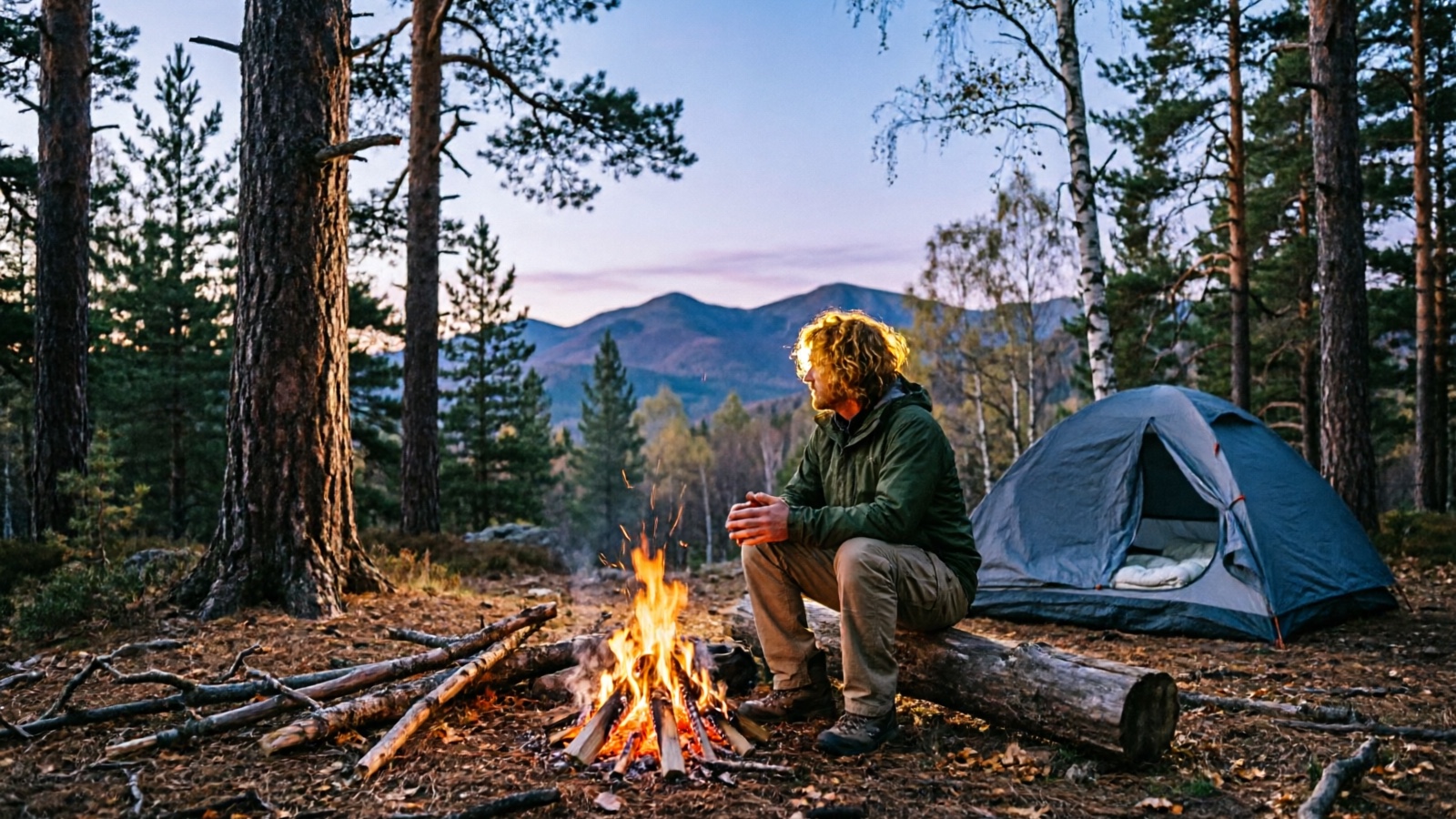
Solo camping is one of the fastest-growing outdoor trends. Nothing forces you to be present like sitting alone around a campfire with zero distractions. But the jump from “I want to try this” to actually sleeping alone in the woods feels massive.
This guide covers the safety mindset, gear, campsite selection, and mental preparation you need. If you already have basic camping skills from our car camping guide, you’re halfway there.
Why Solo Camping Is Worth It
Complete freedom over your destination, schedule, and pace. No compromising on when to wake up, what to eat, or how far to hike. Being alone forces mindfulness — every task is on you, which builds real self-reliance.
Completing your first solo trip changes how you see yourself outdoors. Yes, it feels intimidating at first. That’s normal, and this guide addresses it directly.
Solo Camping for Beginners
Start with one night at a developed state park campground, one to two hours from home. Go in good weather — check the forecast and avoid rain or cold for trip one. Book a site with restrooms, water, and cell service.
Do a shakedown overnight in your backyard first. Tell someone your exact plan: location, site number, and expected return time. Pack the night before using a solo camping checklist so nothing gets left behind. Your first time out is about managing expectations, not perfection — so don’t rush.
The progression: backyard → developed campground → dispersed → backcountry. When you’re ready to level up, see our dispersed camping guide.
Is Solo Camping Safe?
Yes, with preparation. The fear is almost always worse than the reality. Violent crime at campgrounds is extremely rare — you’re safer than in most cities.
The real risks are injury, weather, getting lost, and vehicle breakdown — not other people. If you’re wondering is it safe to camp alone, the data says yes — campground crime is far lower than most cities. Fear peaks on the first night and fades by morning.
Manage it with familiar gear, routines, audiobooks, and a comfort item. If a campsite or neighbor feels wrong, move.
Solo Camping Safety Tips
These tips apply whether you’re at a developed campground or on a remote forest road. Share your itinerary with a specific person who will act if they don’t hear from you. Include location, site number, check-in times, and return time. Carry a satellite messenger — cell service is not guaranteed.
Campsite security: position your tent with clear sightlines, lock food in your vehicle, and keep keys accessible at night. Know what wildlife is in the area and store food properly. Carry a paper map and compass as backup to your phone.
Take a basic wilderness first aid course and carry a proper kit. Monitor weather with a NOAA radio or app, and always have a bailout plan. See our camping safety tips for comprehensive coverage.
Solo Camping for Women
Women face different social perceptions and real considerations. Choose populated campgrounds for your first trips — other families and campers nearby provide a comfort buffer.
Arrive during daylight, set up before dark, and introduce yourself to the campground host. Pick a site near the host, in a well-lit area, close to other occupied sites. Camping alone as a woman doesn’t require extra gear beyond a personal alarm; some women also set up two chairs and two mugs to avoid looking solo.
Trust your instincts unconditionally. Move sites, leave early — zero explanation needed. Many women describe the experience as one of the most empowering outdoor experiences they’ve had.
How to Choose a Campsite for Solo Camping
Prioritize cell service, proximity to other campers, water access, and road access. Avoid isolated sites with a single entry/exit point or areas with no cell coverage as a beginner.
Walk the campground loop before committing. Look at the neighbors, check for noise, wind exposure, and drainage. The sweet spot: close enough to others for safety, far enough for privacy.
See our car camping guide for car-accessible site selection tips.
Solo Camping Gear
| Product | Price | Best For |
|---|---|---|
| Night Cat 1-2P Tent | $39.99 | Budget solo tent |
| Clostnature 1P Tent | $67.99 | Dedicated solo shelter |
| MalloMe Sleeping Bag | $21.99 | Budget 3-season bag |
| SOULOUT Sleeping Bag | $41.90 | Year-round warmth |
| Solo Stove Lite | $47.99 | Fuel-free cooking |
| Garmin inReach | $199.99 | Satellite SOS |
| LHKNL Headlamp 2pk | $19.99 | Hands-free lighting |
| Vriexsd First Aid Kit | $9.99 | Solo first aid |
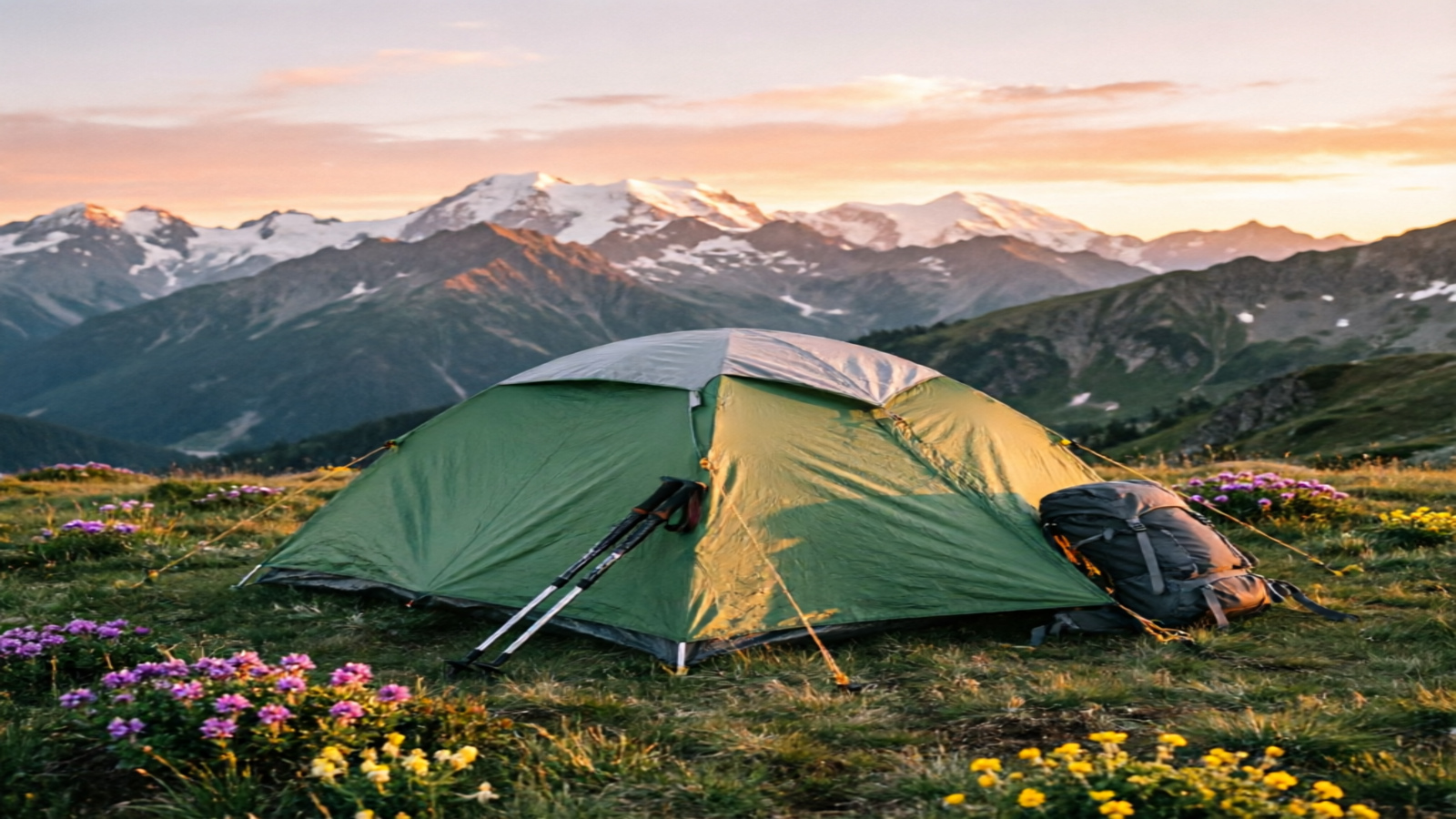
A 2-person tent gives you gear storage space — 1-person tents are cramped. The Night Cat 1-2 Person Tent ($39.99) is a lightweight, waterproof option that sets up in minutes.
What we like: Under forty bucks and packs small enough for backpacking. What could be better: Single-layer design means condensation builds up in humid conditions.
For a dedicated solo tent with better weather protection, the Clostnature 1-Person Tent ($67.99) uses double-layer waterproof construction with aluminum poles. What we like: True solo-specific design at under four pounds packed; freestanding for easy repositioning. What could be better: Tight interior — a tall camper over 6 feet will feel the walls closing in.
See our guide on how to choose a tent for a deeper dive on tent selection.
For sleep, the MalloMe Sleeping Bag ($21.99) is a reliable 3-season bag with a waterproof shell and compression sack. What we like: Budget-friendly with a waterproof outer shell that handles damp conditions. What could be better: Temperature rating is optimistic — add 15°F to the comfort rating for realistic expectations.
The SOULOUT 3-4 Season Bag ($41.90) handles year-round camping. See our sleeping bag guide for climate matching.
What we like: Works spring through late fall without swapping bags. What could be better: Bulky — takes up most of a 40L pack.
The Solo Stove Lite ($47.99) burns twigs and wood — no fuel canisters to carry. At 9 ounces, it’s built for solo backpacking.
What we like: Fuel-free means one less thing to pack; stainless steel lasts forever. What could be better: Slow to boil in wet conditions when dry twigs are scarce.
A camp lantern adds ambient light that a headlamp can’t.
For safety off-grid, the Garmin inReach Messenger ($199.99) provides two-way satellite messaging and an SOS button — no cell service required. What we like: Works anywhere; 28-day battery in tracking mode. What could be better: Monthly satellite subscription required on top of the hardware price.
The LHKNL Headlamp 2-Pack ($19.99) gives you hands-free light for tent setup, cooking, and bathroom trips — with a spare as backup. What we like: USB rechargeable with motion sensor and red-light mode for night vision. What could be better: Battery indicator is inaccurate — it drops from full to dead with little warning.
When you’re alone, you can’t rely on a buddy’s first aid kit. The Vriexsd Mini First Aid Kit ($9.99) packs 150 pieces in a waterproof case.
What we like: 150 supplies in a palm-size case; waterproof shell handles rain. What could be better: No trauma-level supplies — fine for cuts but not serious wounds.
Solo Car Camping
Car camping is the easiest entry point for solo trips. Your vehicle is security, storage, and a bailout option all in one. You can bring more gear — use it, because comfort matters when you’re alone.
Lock your doors at night, keep keys in the same spot, and park facing out for a quick exit. Organize your vehicle into bins: cooking, sleep, and emergency.
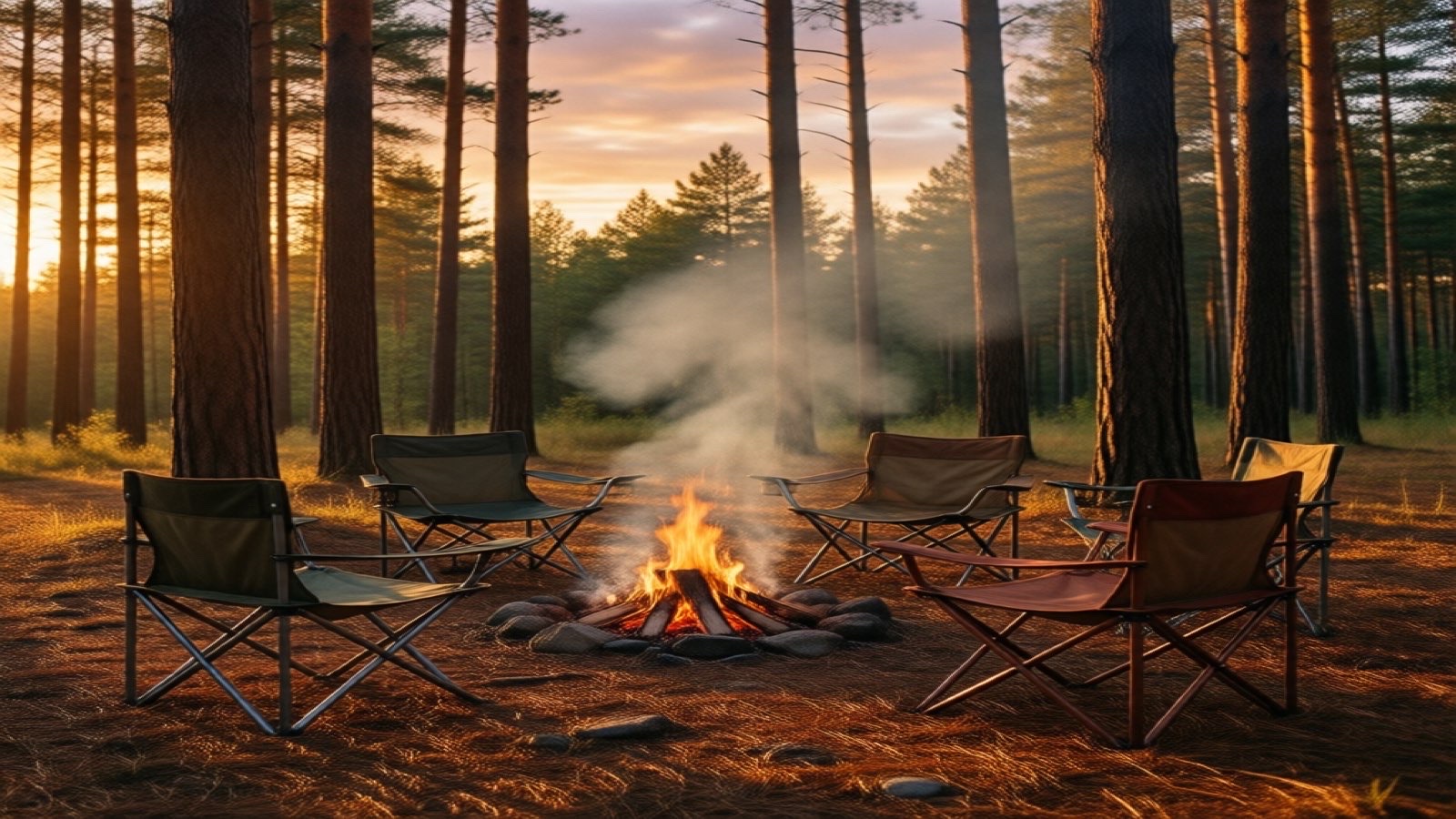
A decent camp chair makes solo evenings far more comfortable. See our car camping guide for the full setup, and our camping shower guide for staying clean on longer trips.
Managing the Alone Time
The biggest surprise for first-timers: the amount of unstructured time. Daytime fills with hiking, exploring, reading, and photography. Evening is for cooking, cleaning, and watching the sunset.
At night, try stargazing, audiobooks, journaling, or podcasts. Avoid doom-scrolling — it defeats the purpose.
The mental shift goes from boredom to presence to appreciation, usually within 12 to 24 hours. If loneliness hits, change your activity or location.
See our camping hacks for making camp life easier, and our winter camping guide when you’re ready for cold-weather solo trips.
Common Solo Camping Mistakes
Going too remote for your first trip spikes anxiety with no bailout option. Not telling anyone your itinerary means nobody knows to look for you.
Skipping the weather check means rain plus solo plus first-timer equals miserable. Arriving after dark makes setting up alone stressful and slow. Too much coffee after noon guarantees you’ll hear every branch snap at 2 AM.
The fix for all of these: start easy, plan thoroughly, and always have a way out.
Solo Camping with Your Dog
A dog gives you built-in companionship, a security presence, and an ice-breaker with other campers. But dogs add responsibility — your freedom is slightly constrained.
Bring extra gear: dog food, water bowl, leash with tie-out, waste bags, and a dog-specific first aid kit. Check leash rules and trail restrictions before you go. Shade at the campsite matters more with a dog.
See our full camping with dogs guide for comprehensive advice.
The Bottom Line
Camping on your own is a skill anyone can learn. Start easy, prepare thoroughly, share your plan, and trust your instincts. Your first solo night will feel long, your second will feel right, and by the third you’ll be planning the next one.
For more, see our camping safety tips, car camping guide, and beach camping guide.
References
- National Park Service Crime Statistics: nps.gov
- REI Solo Camping Survey (2025): rei.com
- USDA Forest Service Recreation Safety: fs.usda.gov
- Leave No Trace Center for Outdoor Ethics: lnt.org
Frequently Asked Questions
Is it okay to go camping alone?
Yes. Solo camping builds confidence and self-reliance. Choose a developed campground for your first trip, share your itinerary with someone at home, carry a personal locator beacon, and trust your instincts.
What is the 3-3-3 rule for camping?
Drive no more than 300 miles, arrive by 3 PM, and stay at least 3 nights. For solo campers, arriving early matters because setting up alone takes longer and you don't want to fumble with tent stakes in the dark.
What is the 2-2-2 rule for camping?
A shorter variant for weekend trips: drive less than 200 miles, set up before 2 PM, and plan for at least 2 nights. Same principle — don't overdo the drive and give yourself daylight to get situated.
What is the 200 rule for camping?
Stay within 200 miles of home. It keeps your drive under four hours so you arrive fresh, and means you can bail out easily if things go sideways on your first solo trip.
Is solo camping safe for women?
Yes, with the same preparation any solo camper needs plus extra precautions. Choose populated campgrounds, arrive during daylight, trust your gut, and carry a personal alarm. Many women solo camp regularly and find it empowering.
What gear do I need for solo camping?
Core kit: a 1-2 person tent, sleeping bag rated for your season, sleeping pad, headlamp, first aid kit, camp stove, water storage or filter, navigation tools, a satellite messenger, and a charged phone with backup battery.
Where should I go for my first solo camping trip?
Pick a developed state park campground within 1-2 hours of home that has restrooms, water, and cell service. Avoid dispersed or backcountry sites for trip one — the goal is building confidence, not testing survival skills.