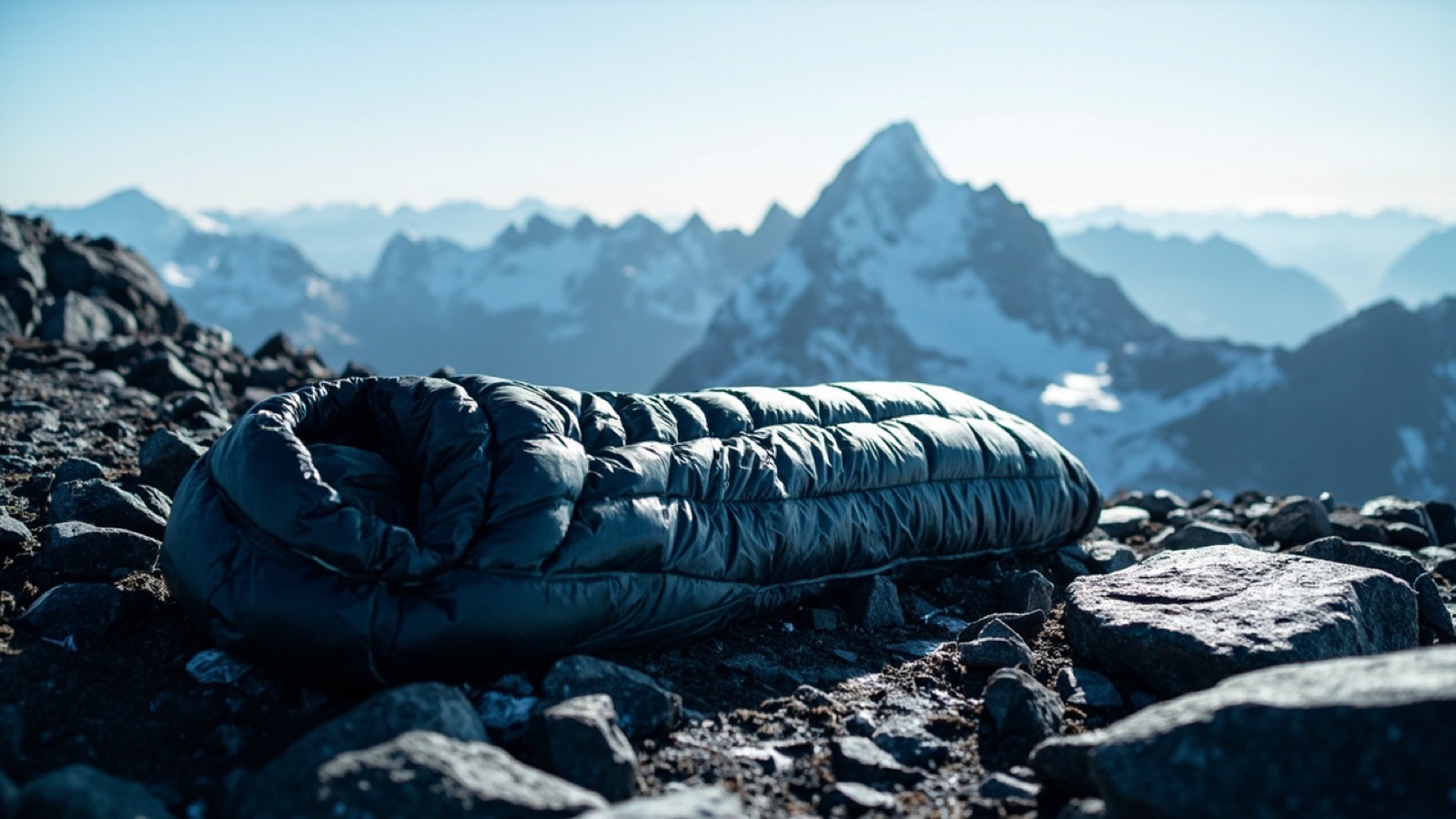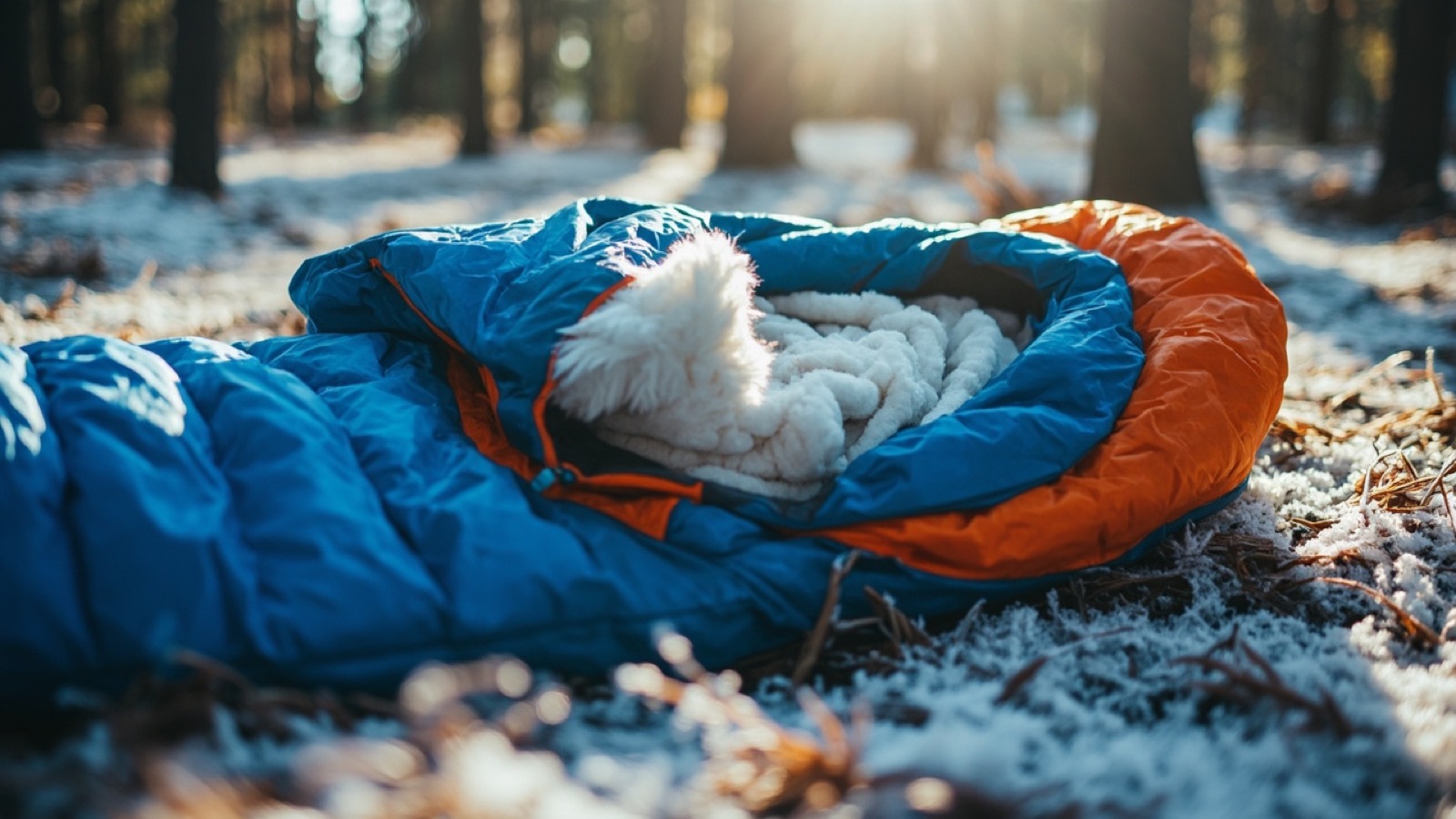
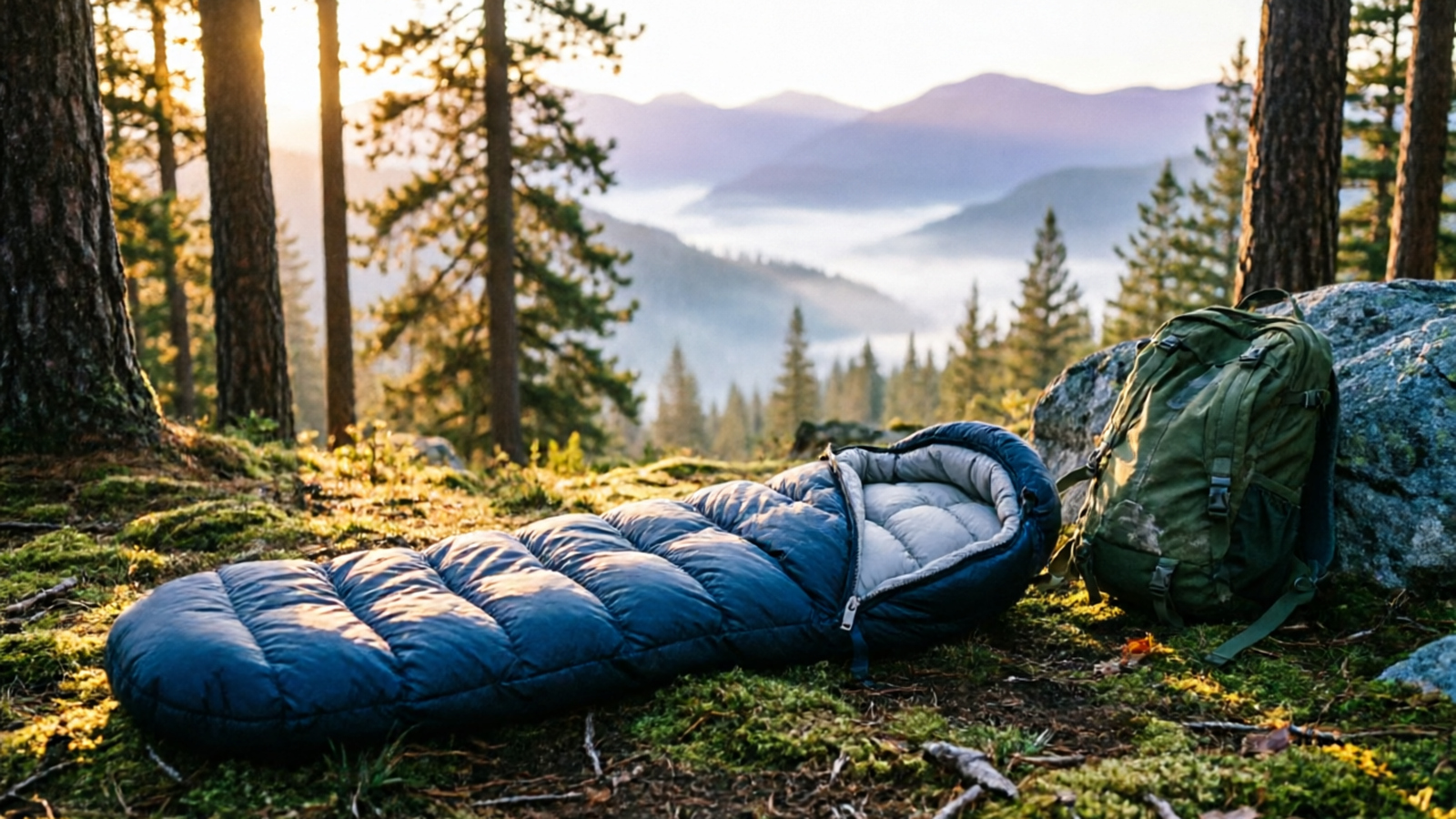
Backpacking Sleeping Bag Buyer's Guide: Fill, Temp, Weight
Backpacking sleeping bag buyer's guide 2026: compare down vs synthetic fill, EN/ISO temperature ratings, weight classes, and shape options.
Choosing the right backpacking sleeping bag determines whether your night is restful recovery or a cold, sleepless ordeal that wrecks the next day’s hike. The wrong bag will either leave you cold, weigh you down, or fail the moment it rains — and most backpackers only realize the mistake at 2 AM on a 40°F ridge in the Cascades. This guide walks through the five decisions that matter: temperature rating, fill type, shape, weight, and features — so you can match a bag to your trip instead of buying on brand recognition.
For a product-pick overview, see our full Best Backpacking Sleeping Bags 2026 review. For car-camping bags, see Best Camping Sleeping Bags 2026. And for true winter conditions, see Best Winter Camping Sleeping Bags.
What You Need

Every backpacking sleeping bag decision reduces to four variables: temperature rating, fill, shape, and weight. The equipment recommendations below cover the five configurations most backpackers end up choosing between — from $27.99 warm-weather synthetic to $74.89 cold-weather tall-camper specialized. Specific product picks are linked inline throughout the article.
| Bag Type | Recommended Product | Best For | Temperature | Weight |
|---|---|---|---|---|
| Budget Synthetic | ECOOPRO Warm Weather Sleeping Bag | First trip / warm weather only | 50°F+ | 1.5 lb |
| Value Synthetic | MalloMe Sleeping Bag | Weekend 3-season under $30 | 35-40°F | 3 lb |
| Mid-Range Mummy | TETON Sports Trailhead 20°F Mummy Sleeping Bag | Shoulder-season 3-season | 20°F | 2.9 lb |
| Bushcraft / Survival | OneTigris Bushcrafter’s Sleeping Bag | Multi-use, hammock-friendly | 30-40°F | 3.2 lb |
| Tall / Cold Weather | Coleman Heritage Big & Tall 10°F Flannel Sleeping Bag | 6’2”+ campers, winter car camping | 10°F | 8.7 lb |
Step 1 — Decide on Temperature Rating First
The first question isn’t price, brand, or fill — it’s the lowest temperature you expect on your trips. Buying a 40°F bag because it’s cheap is the #1 mistake new backpackers make, and it’s the reason some people swear off backpacking entirely. Temperature rating decides everything else: fill, weight, price, and shape.
How to Translate Forecast to Comfort Rating
Look at historical overnight lows for your destination on Weather Underground or NOAA — not the day’s forecast. Mountain zones in shoulder season can drop 25°F below the day’s high. If your trip’s expected overnight low is 32°F, choose a bag with a comfort rating of 22°F or lower. The 10°F margin accounts for sleeping pad R-value loss, wind, altitude, and the fact that you will be more tired and cold-sensitive than during a calm backyard test.
Comfort vs Limit vs Extreme
EN/ISO 23537 ratings break temperature into three numbers. The comfort rating is what to target if you sleep cold or are a woman. The limit rating applies if you sleep warm. The extreme rating is not a survival guarantee — it’s marketing. Most experienced backpackers add 10°F below their own comfort rating for safety. If the comfort rating matters because rest matters.
Step 2 — Pick the Right Fill: Down vs Synthetic
Fill material determines warmth-to-weight ratio, wet performance, lifespan, and cost. Most backpackers face a single trade-off: weight (down wins) vs reliability-when-wet (synthetic wins). Pick the climate before the fill — a $350 lightweight down bag is worthless when soaked through on a rainy Sierra trip.
When Down Wins (and When It Doesn’t)
Down is the lightest, warmest, and most compressible fill. A 600-fill, 20°F down bag weighs around 2 lbs and packs to the size of a Nalgene. The catch: untreated down loses nearly all insulating value when wet and takes 12+ hours to dry in the field. Modern hydrophobic down (DownTek, Nikwax Hydrophobic Down) reduces this to 4-6 hours and recovers 70-80% of loft when wet — but costs an extra $50-100 per bag.
Use down if you camp in arid climates (desert Southwest, high Rockies), weight-conscious (thru-hiking), or stick to fair-weather shoulder season.
When Synthetic Wins
Synthetic fill (polyester, PrimaLoft) is heavier and bulkier but continues insulating when damp, dries in 1-2 hours, and costs 50-70% less. Modern PrimaLoft Gold and Climashield Apex have closed the weight gap somewhat — a 30°F synthetic bag now weighs 3-3.5 lbs vs 4 lbs a decade ago.
Use synthetic for wet climates (PNW, Southeast, Appalachians), winter shoulder season, beginners who don’t want to baby their gear, or budget-conscious shoppers. The MalloMe Sleeping Bag is a solid entry-level 3-season synthetic at $29.99 that fits this category.
Hybrid Bags — The Premium Middle Ground
Hybrid bags use down on top (where loft matters for warmth) and synthetic on the bottom (where ground moisture seeps in). Mountain Hardwear Lamina, Big Agnes Platinum, and REI Magma use this construction. Cost $250-400 and weigh 2.2-2.8 lbs — combining most of down’s warmth-to-weight with synthetic’s damp resilience. Worth it if you backpack in shoulder season with mixed weather.
Cost, Lifespan, and Maintenance Comparison
| Fill Type | Price | Weight (20°F) | Lifespan | Maintenance |
|---|---|---|---|---|
| Synthetic | $25-80 | 3-4 lbs | 3-5 years | Machine washable |
| Hydrophobic Down | $150-300 | 1.8-2.5 lbs | 8-12 years | Down wash + tennis balls |
| Standard Down | $200-400 | 1.6-2.2 lbs | 10-15 years | Down wash + careful storage |
| Hybrid | $250-400 | 2.2-2.8 lbs | 8-12 years | Down wash + tennis balls |
Step 3 — Match Bag Shape to Sleep Style
Three bag shapes exist: mummy, semi-rectangular, and rectangular. Shape determines thermal efficiency, room to move, and weight.
Mummy — The Backpacking Default
Mummy bags taper from shoulders to feet, with a hood that closes around your head. They trap heat by reducing internal air space. A 20°F mummy weighs 2-3 lbs; a 20°F rectangular weighs 4-6 lbs because it heats more air. The trade-off: side sleepers and restless sleepers find mummies claustrophobic. If you toss and turn, look for a mummy with a wider cut — TETON Sports Trailhead is a roomy mummy option.
Semi-Rectangular — Compromise Choice
Semi-rectangular bags square off at the shoulders but taper at the feet. They balance thermal efficiency with room to move and are popular with backpackers who feel locked into a mummy. REI Co-op Trailbreak and Kelty Cosmic are common semi-rectangular options.
Rectangular — Car Camping Only
Rectangular bags are essentially blankets you zip around yourself. They’re bulky, heavy, but extremely comfortable. Forget them for any trip where you carry your shelter on your back. For car camping or backyard overnights, Coleman Heritage offers a rectangular cold-weather option.
Step 4 — Calculate Your Weight and Packability Budget
Weight comes from fill, shell fabric, and features. Down lighter than synthetic at the same warmth; thinner shell fabrics save weight at the cost of durability.
Ultralight (Under 2 lbs) — Thru-Hiker Class
800+ FP (fill power) down, mummy shape, minimal features. Used by thru-hikers and ultralight enthusiasts covering 20+ miles per day. Cost: $250-450. The trade-off is sub-par warmth when wet, fragility (thin shell fabrics tear on brush), and you must buy a higher-temperature rating than you’d choose in synthetic.
Lightweight (2-3 lbs) — The Sweet Spot for Most
Premium down or mid-tier synthetic. Covers most 3-season weekend trips comfortably. This is the weight class most backpackers actually need. TETON Sports Trailhead 20°F hits this class at 2.9 lbs and $66.87, while the OneTigris Bushcrafter’s at 3.2 lbs suits hammock campers.
Mid-Weight (3-4 lbs) — Versatile General Use
More features (stash pocket, full zipper, draft tube) and more durable shell fabrics. Often 3-season synthetic. Best for casual backpackers who don’t measure every gram. The ECOOPRO Warm Weather at 1.5 lbs is an outlier in this class — ultralight specifically because it’s summer-rated.
Heavy (4+ lbs) — Car Camping & Winter
Synthetic, roomy, often rectangular. Best for car camping, base camps, or winter trips where weight doesn’t matter. Coleman Heritage Big & Tall at 8.7 lbs is overkill for backpacking but perfect for cold-weather car camping or for campers over 6’2”.
Step 5 — Identify Non-Negotiable Features
Several features distinguish a $40 bag from a $200 bag. Knowing which features matter for your trips keeps you from overpaying for gimmicks.
Hood — Always Yes
A hood keeps your head warm (you lose 30% of body heat through your head). Most sub-$50 bags now include hoods; some ultralight bags skip them. Always include a hood unless shaving grams matters more than the marginal warmth savings.
Draft Collar — Essential Below 30°F Comfort Rating
A draft collar is a tube of insulation at the bag’s neck opening. It blocks cold air from entering where the hood and bag meet. Bags without draft collars leak significant warmth below 30°F. If your expected temperature is below 30°F, draft collar is non-negotiable.
Zipper Length — Full or Short?
Full-length zippers let you ventilate from the foot in summer or open the bag flat like a quilt. Short zippers save 2-3 oz but trap heat. If you backpack spring-fall, full-length is worth the weight. For summer-only use, a short zipper with a wide foot box is fine.
Foot Box — Roomy vs Tapered
Tapered foot boxes save weight and pack size but cramp your feet. Roomy foot boxes allow movement. Side sleepers benefit from roomy foot boxes; back sleepers can tolerate tapered. Coleman Heritage has a notably roomy foot box — one reason tall campers prefer it.
Anti-Snag Zipper Strips — Always Yes
Zipper snags are the most common sleeping bag field failure. Most backpacking bags now include anti-snag strips along the zipper path. If a bag doesn’t have them, budget $10 for a repair kit before your first trip.
Down vs Synthetic Cost Comparison Across 5 Bags
Below is a real-world comparison of all five bags from the equipment table, showing how fill, weight, and price interact at different trip types.
| Bag | Fill | Weight | Temp | Price | Trip Type |
|---|---|---|---|---|---|
| ECOOPRO Warm Weather | Synthetic | 1.5 lb | 50°F+ | $27.99 | Summer weekend |
| MalloMe Sleeping Bag | Synthetic | 3 lb | 35-40°F | $29.99 | 3-season budget |
| TETON Sports Trailhead 20°F | Synthetic | 2.9 lb | 20°F | $66.87 | 3-season shoulder |
| OneTigris Bushcrafter’s | Synthetic | 3.2 lb | 30-40°F | $54.98 | Bushcraft/hammock |
| Coleman Heritage Big & Tall 10°F | Synthetic flannel | 8.7 lb | 10°F | $74.89 | Tall / winter car |
All five bags are synthetic — appropriate for entry-level and intermediate backpackers because they perform reliably when damp, weigh between 1.5-3.5 lbs for the first four (suitable for backpacking), and cost under $75 each. The fifth Coleman option is the winter/tall-camper specialist.
Decoding EN/ISO 23537 Temperature Ratings
EN/ISO 23537 is the global standard for sleeping bag temperature testing. Bags earn three ratings: comfort (cold sleeper female), limit (warm sleeper male), and extreme (life-threatening conditions). Almost no manufacturer tests outside this standard. Look for EN/ISO 23537 on the spec sheet before buying.
Why “Comfort Rating” Is Your Real Buying Number
The comfort rating reflects what a cold sleeper can use safely through the night. The limit rating applies only if you sleep very warm. Female backpackers should choose bags rated to the comfort number. If a bag is only rated to limit (no comfort number listed), the manufacturer is hiding the truth.
Common Manufacturer Inflated Ratings
Some brands advertise a single temperature number without EN/ISO certification. Avoid these unless you know the brand’s testing methodology. Sierra Designs, Kelty, and ALPS Mountaineering sometimes quote “survival” or “extreme” numbers as primary. REI, Mountain Hardwear, Big Agnes, NEMO always publish EN/ISO numbers.
Add 10°F for Real-World Conditions
Sleeping pad R-value, tent ventilation, food intake, hydration, and exhaustion all lower your real-world temperature tolerance. Plan your bag as if the comfort rating were 10°F warmer. If your trip’s expected overnight low is 28°F, buy a bag with comfort rating of 18°F or lower.
How to Test a Sleeping Bag Before Your First Trip
Testing a new sleeping bag in your backyard saves a ruined weekend. Most backpackers skip this and discover problems on day 2 of a 30°F mountain trip. Budget one quiet backyard night to catch issues before they happen on a real trip.
The 60°F Test — Comfort Validation
Set the bag up in your backyard on a calm 55-65°F night. If you wake at 3 AM cold, the comfort rating is too high. If you sleep through comfortably, the bag handles the lower edge of its claimed range. This is exactly why cold-night backpackers report their 50°F-rated bag froze them — the bag’s comfort rating was 50°F, not the limit rating the seller marketed.
The Wet Test — Down vs Synthetic Reality
Sprinkle water on the bag’s outer shell for 60 seconds (simulate drizzle). Synthetic bags keep insulating; down bags lose 30-50% loft unless treated with hydrophobic coating. This is when you discover what the marketing copy glosses over. Don’t skip this if you camp in shoulder-season precipitation.
The Storage Test — Long-Term Loft Check
Stuff the bag into its compression sack for 24 hours. Pull it out and shake for 5 minutes. If it doesn’t fully loft, the fill is degrading or compressed beyond recovery. A healthy down bag lofts in 30 seconds. A healthy synthetic bag lofts in 60 seconds. Both should be ready to use immediately on extraction.
Sleep System Integration — Pairing Your Bag with Pad and Shelter
A sleeping bag is one of three sleep-system components. The other two — sleeping pad and tent — affect perceived warmth as much as the bag itself. Skip this section and you’ll be cold even with the right temperature rating.
Sleeping Pad R-Value — The Hidden Variable
Sleeping pad R-value measures insulation between you and the ground. Ground conduction steals more heat than air temperature when the ground is cold. Most 3-season backpackers need R-value 3-4. Winter backpackers need R-5 or above. A 20°F bag on an R-2 pad performs like a 40°F bag on an R-4 pad. See the best sleeping pads for backpacking review for R-value comparisons.
Tent Ventilation — Manage Condensation
A tightly sealed winter tent accumulates condensation that wets your bag’s outer shell overnight. Even on a 25°F night, a partially opened vestibule or roof vent reduces internal humidity. Down bags left in a damp tent for 6+ hours can absorb 5-10% of their weight in moisture, dramatically reducing loft.
Sleepwear Layering — Extend Bag Range
A clean base layer (long underwear, wool socks) extends any bag’s effective range by 5-10°F. Avoid cotton — it traps moisture and accelerates cooling. Merino wool or synthetic base layers work best. This trick alone takes a $50, 35°F bag and makes it functional to 25°F.
Common Sleeping Bag Mistakes and How to Avoid Them
Even experienced backpackers repeat these errors. Catching them before your trip saves nights of misery.
Buying by Brand, Not Spec
Marmot, Mountain Hardwear, REI — these brands all have good and bad bags. Buy on temperature rating, fill weight, and features, not on the logo. The same brand’s $200 entry-level bag often warms less than its $400 mid-tier. Shop specs first.
Ignoring Loft After Storage
Bags stored compressed for months lose loft. Always pull a stored bag out 2-4 weeks before a trip and store loosely in a large cotton or mesh sack. If you forgot, expect 50-70% recovery in 24 hours, full recovery in 72 hours.
Sleeping in Cotton
Cotton retains moisture, wicks heat, and stays wet. Never sleep in cotton on backpacking trips. Synthetic base layers or merino wool move moisture away from skin and dry faster. A 100% cotton outfit in a 20°F bag feels like 35°F.
Washing Too Often (or Too Little)
Synthetic bags need washing every 20-30 trips — body oils degrade fill loft faster than dirt. Down bags need washing every 30-50 trips. Both benefit from technical wash (Nikwax, Granger’s). Skip the home detergent — surfactants strip DWR treatments.
Which Backpacking Sleeping Bag Should You Buy?
After temperature rating, fill type, shape, weight, and features, the choice collapses to one question: what kind of trip? For an ultralight summer weekend, the ECOOPRO Warm Weather Sleeping Bag at $27.99 covers 50°F+ nights in 1.5 lbs. For 3-season versatility, the TETON Sports Trailhead handles most conditions at $66.87. For tall campers and winter use, the Coleman Heritage accommodates 6’7” frames and 10°F nights. For bushcraft and hammock setups, the OneTigris Bushcrafter’s is purpose-built. For first-time backpackers on a budget, the MalloMe Sleeping Bag at $29.99 is the strongest value.
For product-specific deep-dive reviews — including actual user testing notes, comparison tables, and detailed rankings — see our complete backpacking sleeping bags review. If your trips push winter conditions, read our winter camping sleeping bags guide. And for the rest of your sleep system, see the best camping sleeping pads review and the ultralight backpacking gear roundup.
Frequently Asked Questions
What temperature rating do I need for 3-season backpacking?
A 20-32°F comfort rating is the safe range for most 3-season backpacking. Most nights run 40-50°F at typical elevations, but shoulder-season and mountain camping can drop to freezing or below. The comfort rating matters more than the limit rating if you sleep cold or are a woman.
How heavy should a backpacking sleeping bag be?
Weekend backpackers should aim for 2-3 lbs. Thru-hikers target under 2 lbs, often choosing 800-fill down to hit that weight. Car campers can ignore weight entirely and use 4-8 lb bags with more room and warmth.
Is down or synthetic better for wet climates?
Synthetic wins in humid or rainy climates. Down loses insulating loft when wet and can take 12+ hours to dry in the field. Synthetic continues to insulate when damp and dries in 1-2 hours. If you camp in the Pacific Northwest, Southeast US, or shoulder-season rain, choose synthetic.
How do I clean a sleeping bag?
Synthetic bags can go in a front-load washer with mild detergent, then air dry or low-tumble. Down bags need down-specific wash like Nikwax Down Wash, plus 2-3 clean tennis balls in the dryer on low to break up clumps. Never dry-clean either type — chemicals strip the DWR coating.
How long do backpacking sleeping bags last?
Synthetic bags typically last 3-5 years of regular use before the fill loses loft. Down bags last 10+ years with proper care because the feather structure doesn't break down — it just needs cleaning every 30-50 nights to maintain loft. Always store bags uncompressed in a large cotton sack.
Can I use a backpacking sleeping bag for winter?
Only if the comfort rating is 0°F or below. Most 3-season bags max out around 20°F and become dangerous below freezing unless paired with a warm liner. Winter-specific bags add 30-50% weight and cost — they're overkill for 3-season use.