Beach Camping Tips: The Complete Guide for Beginners (2026)
Everything you need for beach camping — tide safety, tent setup in sand, keeping sand out, cooking tips, and gear picks for first-timers and families.
Sleeping under stars with waves as your white noise sounds perfect — until you wake up with sand in your ears, a sunburned nose, and a tent half-floating toward the ocean. Beach camping is incredible when you prepare for it, and miserable when you don’t. If you already have basic car camping skills from our car camping guide, this article adds the beach-specific knowledge that makes or breaks a trip.
This guide covers tide safety, tent anchoring in sand, keeping sand out of your stuff, cooking in wind, and keeping kids safe — plus the specific gear that solves each beach problem.
Beach Camping Gear at a Glance
| Product | Price | Best For | Rating |
|---|---|---|---|
| COBARYEN Spiral Sand Stakes | $9.99 | Budget sand anchoring | 4.6⭐ |
| Orange Screw Ground Anchors | $24.99 | High-wind anchoring | 4.7⭐ |
| YENGIAM Beach Canopy | $62.91 | Mid-range sun shelter | 4.0⭐ |
| besuhot Beach Shade Canopy | $83.99 | Premium shade solution | 4.8⭐ |
| Gas One GS-3400P | $38.42 | Budget dual-fuel cooking | 4.6⭐ |
| Coleman Triton 2-Burner | $89.99 | Powerful beach cooking | 4.7⭐ |
| LFSEMINI Stove Windscreen | $5.99 | Wind protection | 4.4⭐ |
| BB Hapeayou Sand Remover | $5.99 | Quick sand removal | 4.1⭐ |
Why Beach Camping Is Worth It
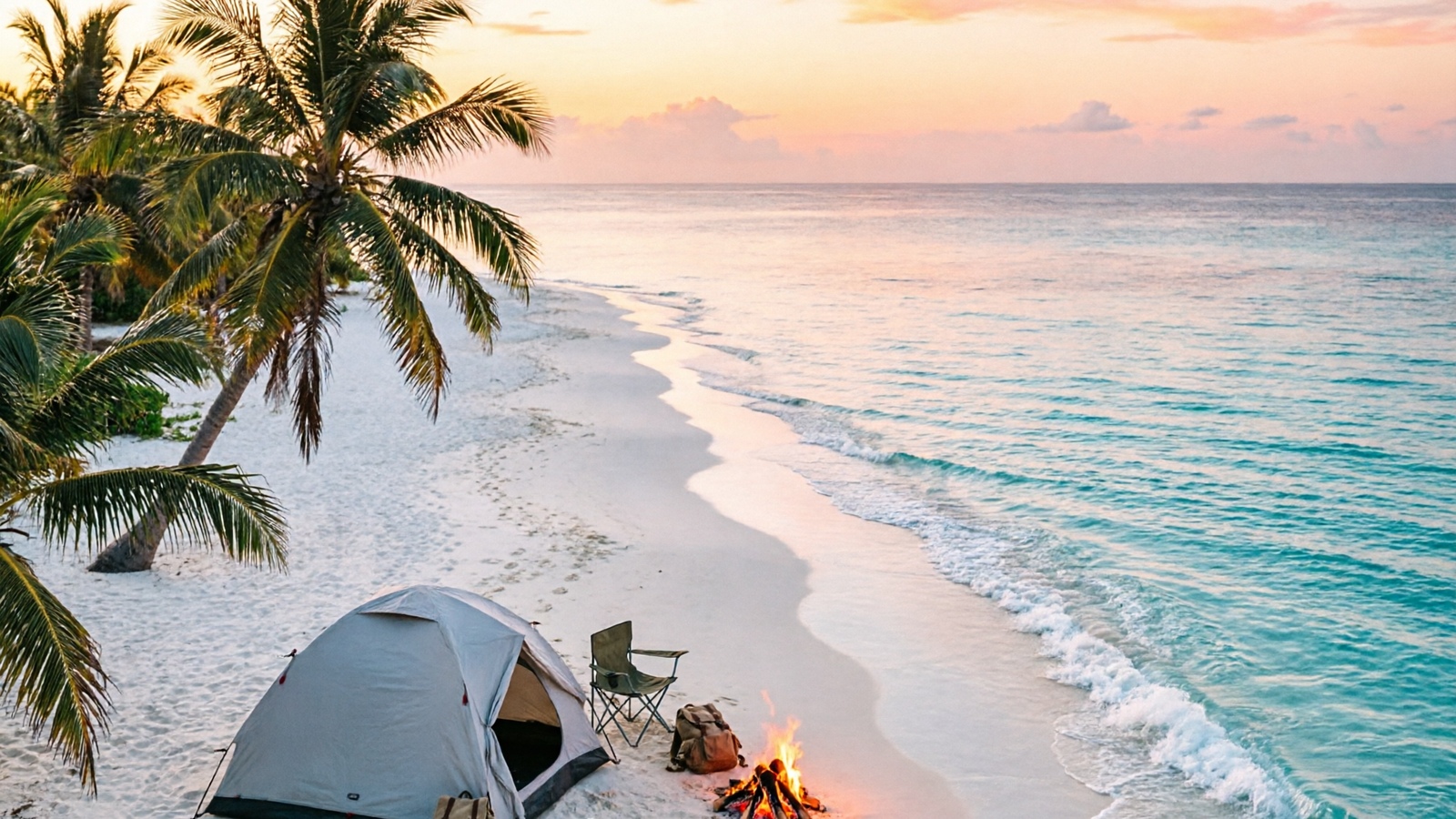
These beach camping tips will help you avoid the mistakes most first-timers make — starting with tide safety and ending with a sand-free tent. Falling asleep to waves, morning swims, and zero crowds if you pick the right spot — beach camping delivers experiences that no hotel room can match. At $0–$35 per night for public beach campgrounds versus $150–$400 for beachfront lodging, the cost difference is hard to ignore [source: NPS campground fee database]. The sweet spot runs May through September across most US coastal areas.
How to Choose a Beach Campsite
Wind direction is your first filter — set up with the wind at your back, not blasting through your tent door. Look for natural windbreaks like dunes, driftwood piles, or vegetation stands.
Most beaches have zero potable water, so plan your supply before arriving. Avoid low spots between dunes where water pools during rain or high tide.
Check local regulations carefully — some beaches restrict camping to designated areas, others allow dispersed camping with a permit. Our national park camping guide covers finding legal beach campsites in NPS units.
Beach Camping Tide Safety
Tides are the single biggest safety concern for beach camping. The National Oceanic and Atmospheric Administration (NOAA) publishes free tide predictions for every US coastline — check them for your specific dates before you go [source: NOAA Tide Predictions, tidesandcurrents.noaa.gov].
Learn to read the high-tide line: look for a debris line, dark sand, or where vegetation begins. Pitch your tent above that line with at least 50 feet of buffer.
During full and new moons, spring tides reach 20% higher than normal. King tides and storm surges mean you should skip beach camping entirely.
How to Set Up a Tent on Sand
Standard tent stakes pull straight out of sand under wind load. You need anchors designed for loose ground, and you need to use every guy-out point on your tent. Freestanding tents have an advantage — pitch the tent first, then anchor it from multiple angles.
Wide-body sand stakes, spiral anchors, and deadman anchors (sand-filled stuff sacks buried 12+ inches) all work. Angle stakes at 45° away from the tent for maximum hold.
The COBARYEN Spiral Sand Stakes (6-pack, $9.99) use a screw-in design that grips sand far better than straight pegs. What we like: Spiral design holds firm in loose sand; six stakes covers one tent. What could be better: In very dry, powdery sand, these need a deadman anchor backup.
For high-wind conditions, the Orange Screw Ultimate Ground Anchors (4-pack, $24.99) are the step-up pick — made in USA with a T-grip tool for installation. What we like: T-grip tool makes driving into firm sand much easier; made-in-USA quality. What could be better: Only four per pack — you need two sets for a family tent.
See our best camping tents guide for tent models that perform well on sand.
How to Keep Sand Out of Your Tent
Sand is the number one complaint among beach campers. You cannot eliminate it entirely, but the right strategy gets you to 90% sand-free. Of all the beach camping tips in this guide, sand management is the one that makes or breaks the trip.
Set up a decontamination zone outside your tent using a small tarp or mat. Brush off all gear before bringing it inside.
Keep shoes outside in a sealed bag. Close tent doors fast — leaving them open “for the breeze” fills your tent in minutes.
A bathtub-floor tent (edges that curve up 4–6 inches) helps, and the BB Hapeayou Sand Remover Puff ($5.99) lifts sand off skin without water. What we like: Works without water; compact for the tent door. What could be better: Small surface — full legs take multiple passes.
Sun and Heat Management at the Beach
UV exposure at the beach is amplified by water and sand reflection — you burn faster than you expect, so a sun shelter is mandatory. Plan at least one gallon of water per person per day; salt air and wind cause faster dehydration than you realize.
UPF-rated clothing and a wide-brim hat beat sunscreen alone.
The YENGIAM Beach Canopy (11×11 ft, $62.91) provides UPF 50+ shade for a family with extra windproof ropes for coastal gusts. What we like: 121 square feet covers a family of four; UPF 50+ blocks harmful UV. What could be better: Setup requires two people and takes 15+ minutes in wind.
The besuhot Beach Shade Canopy (10×10 ft, $83.99) uses eight built-in sandbags — fill them and the canopy stays put without separate stakes. What we like: Eight integrated sandbags mean no extra stakes to lose; highest-rated in its class. What could be better: Headroom is tight for taller users when seated inside.
Cooking at the Beach
Wind is the biggest enemy of beach cooking — a canister stove can take 20 minutes to boil water without protection. Bring a windscreen and position your stove behind a dune or vehicle.
Pre-freeze everything, use block ice, and keep the cooler in shade. Seal all food containers — seagulls and raccoons are aggressive beach scavengers.
The LFSEMINI 10-Plate Stove Windscreen ($5.99) blocks wind from multiple angles with ten aluminum plates that fold flat. What we like: Under six bucks for protection that works with any stove; folds to pocket size. What could be better: The aluminum dents easily if packed under heavy gear.
The Gas One GS-3400P ($38.42) runs on propane or butane with a carrying case that keeps sand out. What we like: Dual-fuel flexibility; carrying case protects against sand. What could be better: No built-in wind protection — pair it with a windscreen at the beach.
The Coleman Triton 2-Burner Propane Stove ($89.99) delivers 22,000 BTUs across two adjustable burners with built-in wind guards that handle coastal gusts. What we like: Integrated wind guards make it the best stove for breezy beaches; two burners let you cook a full meal at once. What could be better: Bulky and heavy — strictly a car-camping stove, not something you haul down a trail.
For keeping food cold in beach heat, see our best camping coolers guide.
Beach Camping with Kids
Beach camping with kids is either a core memory or a disaster — preparation tips the scale. Assign a dedicated “water watcher” whenever kids are near the surf [source: ACA safety standards, acacamps.org].
Pack rash guards, UV hats, and a shade structure for sun protection that doesn’t wash off. Kids dehydrate faster than adults, so keep salty snacks and water accessible. Activities kids love: tide pooling, sandcastle building, and nighttime ghost-crab hunting.
See our camping with kids guide for comprehensive family camping tips, and our best camping hammock picks — kids love hammocks at the beach.
Common Beach Camping Mistakes
Camping too close to the waterline is the classic rookie error — you wake up wet at 3 AM when the tide rolls in. Using standard tent stakes is the second mistake: your tent blows away in the first decent gust.
Forgetting tide charts means spring tides surprise you during a full moon. Cooking without a windscreen turns breakfast into a 45-minute ordeal. Not sealing food invites seagull raids at dawn — they are bold, organized, and faster than you think.
Frequently Asked Questions
Do you need special stakes for beach camping?
Yes. Standard stakes pull out of sand under minimal force. Spiral sand stakes, wide-body stakes, or deadman anchors (buried sand-filled bags) provide the holding power that beach camping demands.
Is it safe to camp on the beach?
It is safe if you set up above the high-tide line with 50+ feet of buffer, check tide charts, and avoid camping during king tides or storm surges. Wind and lightning are the other risks to monitor.
How do you keep sand out of your tent at the beach?
Create a decontamination zone with a small tarp outside the door. Brush off all gear before entry, keep shoes outside, and close doors fast. A bathtub-floor tent adds another barrier.
What is the best tent for beach camping?
A freestanding 3-season tent with full rainfly coverage, multiple guy-out points, and good ventilation. Salt air corrodes zippers and poles fast, so rinse gear after each beach trip. See how to choose a tent for our full breakdown.
Can you have a campfire on the beach?
Many beaches ban open fires year-round. Where fires are allowed, build them below the high-tide line in fire rings so the ocean cleans the remains. A propane fire pit is a safe alternative that works anywhere.
What should I do if a storm rolls in while beach camping?
If there is lightning, take down your tent and move inland immediately — you are the tallest object on flat sand. For wind only, remove the rainfly, stake all guy lines, and have a bailout plan ready.
How far from the water should I set up?
At least 50 feet above the most recent high-tide line. During spring tides (full and new moons), water reaches significantly higher, so add extra buffer or camp farther back.
What is the 3-3-3 rule for camping?
Drive no more than 300 miles, arrive by 3 PM, and stay at least 3 nights. For beach camping, arriving early is critical because you need daylight to read the tide line and anchor your tent properly.
The Bottom Line
Beach camping is rewarding — waves for white noise, morning swims, and a sky full of stars. These beach camping tips cover the basics: check your tides, anchor your tent with proper sand stakes, manage your sun exposure, and bring more water than you think you need. Start with a developed beach campground, then level up to primitive spots.
Sources
- NOAA Tide Predictions: tidesandcurrents.noaa.gov
- National Park Service Beach Camping Regulations: nps.gov
- American Camp Association Safety Standards: acacamps.org
Frequently Asked Questions
Do you need special stakes for beach camping?
Yes. Standard tent stakes pull right out of sand. Use spiral sand stakes or wide-body anchors that bite into loose ground, or bury deadman anchors (filled stuff sacks) 12 inches deep for a solid hold.
Is it safe to camp on the beach?
Yes, if you follow tide safety rules. Set up above the high-tide line, check local tide charts before pitching, and leave at least 50 feet of buffer between your tent and the last high-water mark. Avoid camping during storm surges or king tides.
How do you keep sand out of your tent at the beach?
Set up a small tarp outside your tent as a decontamination zone. Shake off all gear before bringing it inside, keep a brush at the entrance, and store shoes outside in a sealed bag.
What is the best tent for beach camping?
A 3-season tent with good ventilation, a full-coverage rainfly, and multiple guy-out points. Freestanding tents are easier to reposition on sand. See our guide on how to choose a tent for car camping for details.
Can you have a campfire on the beach?
It depends on the location. Many beaches prohibit open fires year-round. Some allow fires below the tide line in designated fire rings. Always check local regulations first.
What should I do if a storm rolls in while beach camping?
Take down your tent and move inland immediately if lightning is present. Beaches offer zero lightning protection. If wind is the only issue, lower your tent profile and stake all guy lines. Always have a bailout plan.
How far from the water should I set up my beach camp?
At minimum, camp 50 feet above the most recent high-tide line. Check tide charts for your trip dates — spring tides during full and new moons reach significantly higher than neap tides.
What is the 3-3-3 rule for camping?
Drive no more than 300 miles, arrive by 3 PM, and stay at least 3 nights. For beach camping, arriving early matters even more — you need daylight to scout the tide line and set up before dark.