Camping Packing List: By Trip Type, Season & Duration
Complete camping packing list by trip type, season, and duration. Car camping, solo trips, families, summer, winter, plus a printable checklist.
The difference between a great camping trip and a miserable one comes down to what is in your pack — and what is not. Most camping packing lists are one-size-fits-all bullet points that ignore trip type, season, and duration.
This camping packing list guide organizes everything by scenario: car camping, solo trips, families, summer heat, winter cold, and weekend versus week-long trips. Pick your situation, use the matching checklist. For the complete first-timer walkthrough, see our camping guide for beginners.
The Big Four — Non-Negotiable Essentials
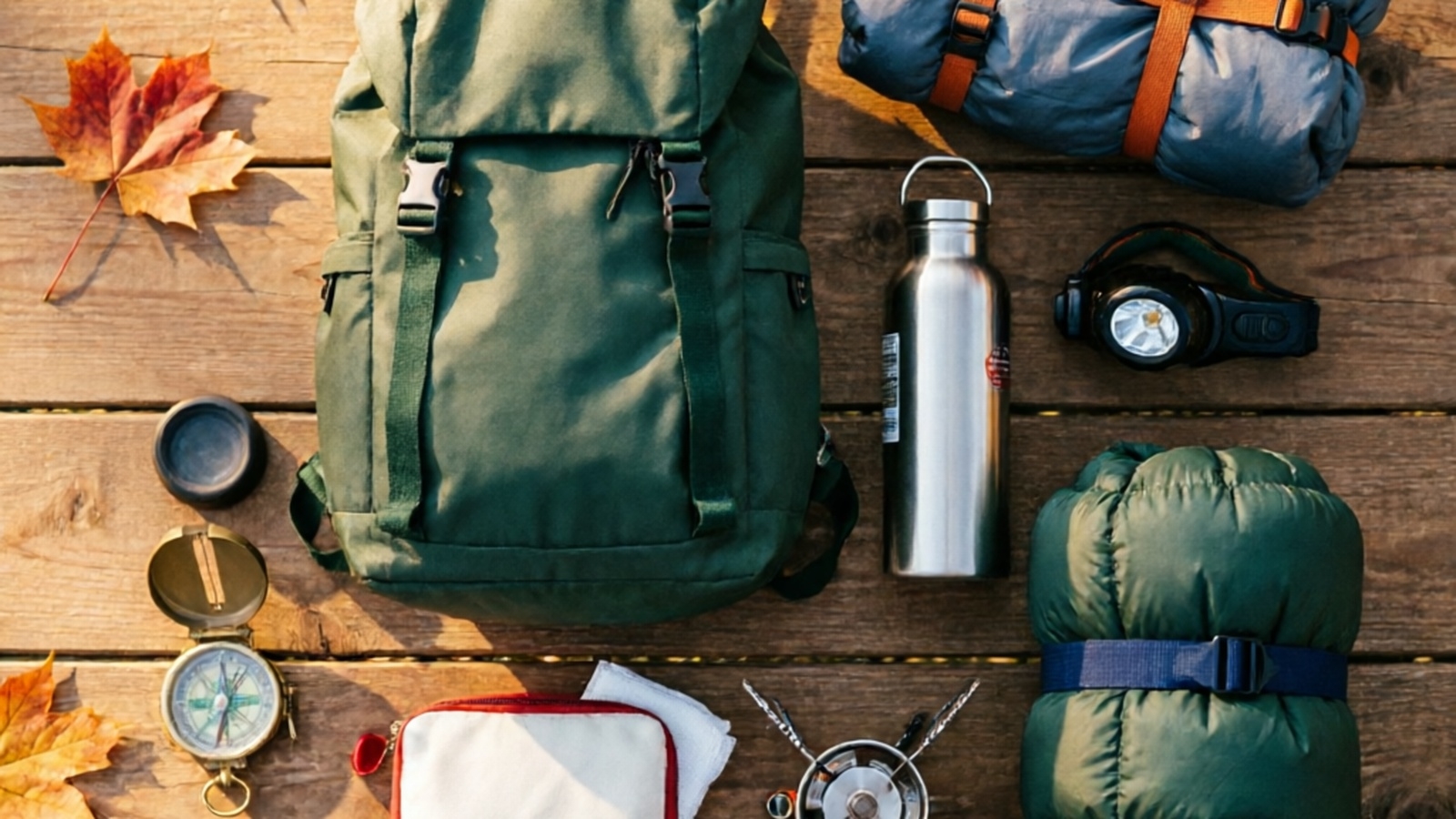
Every camping trip needs four categories covered before anything else goes in the bag.
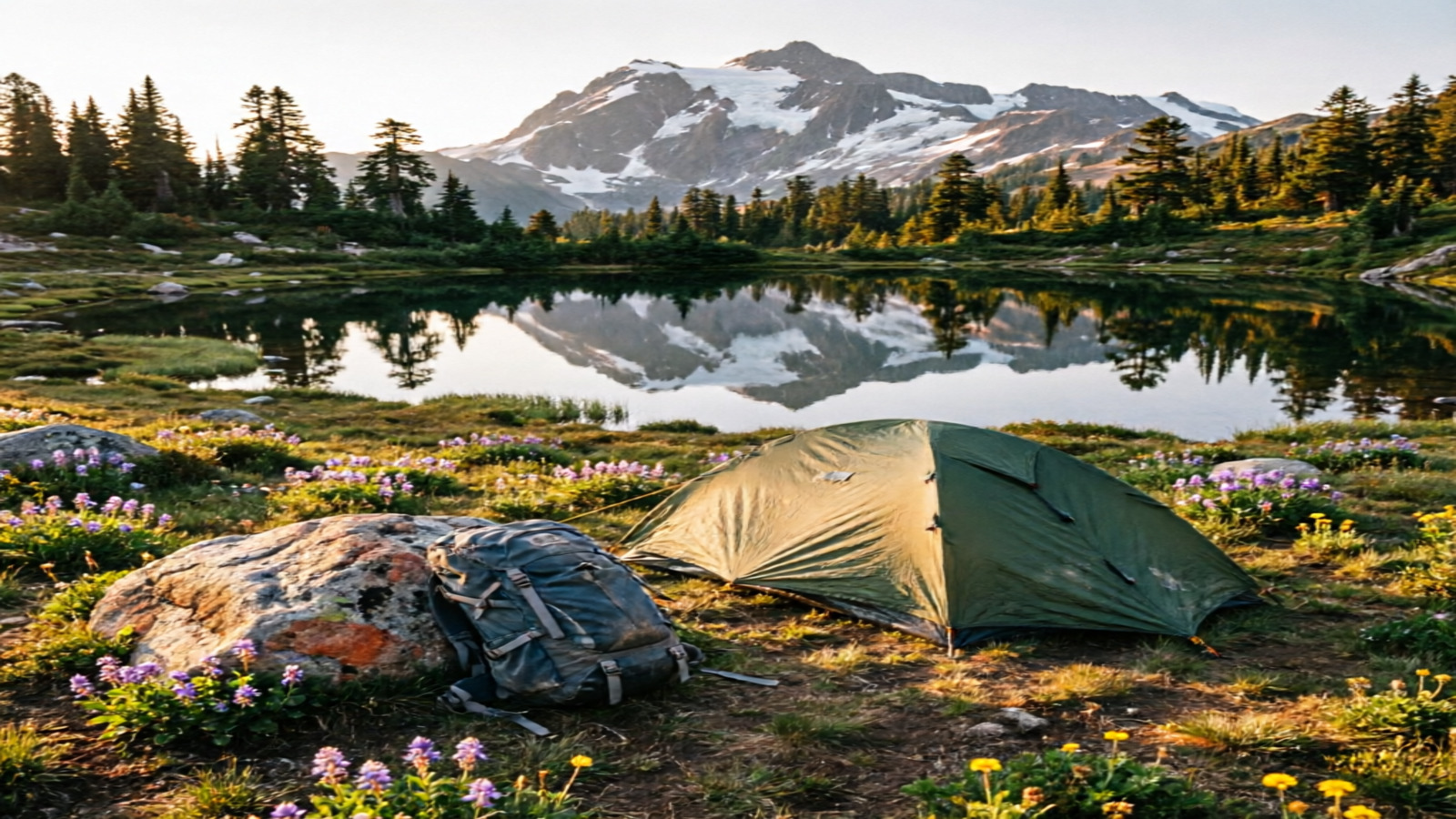
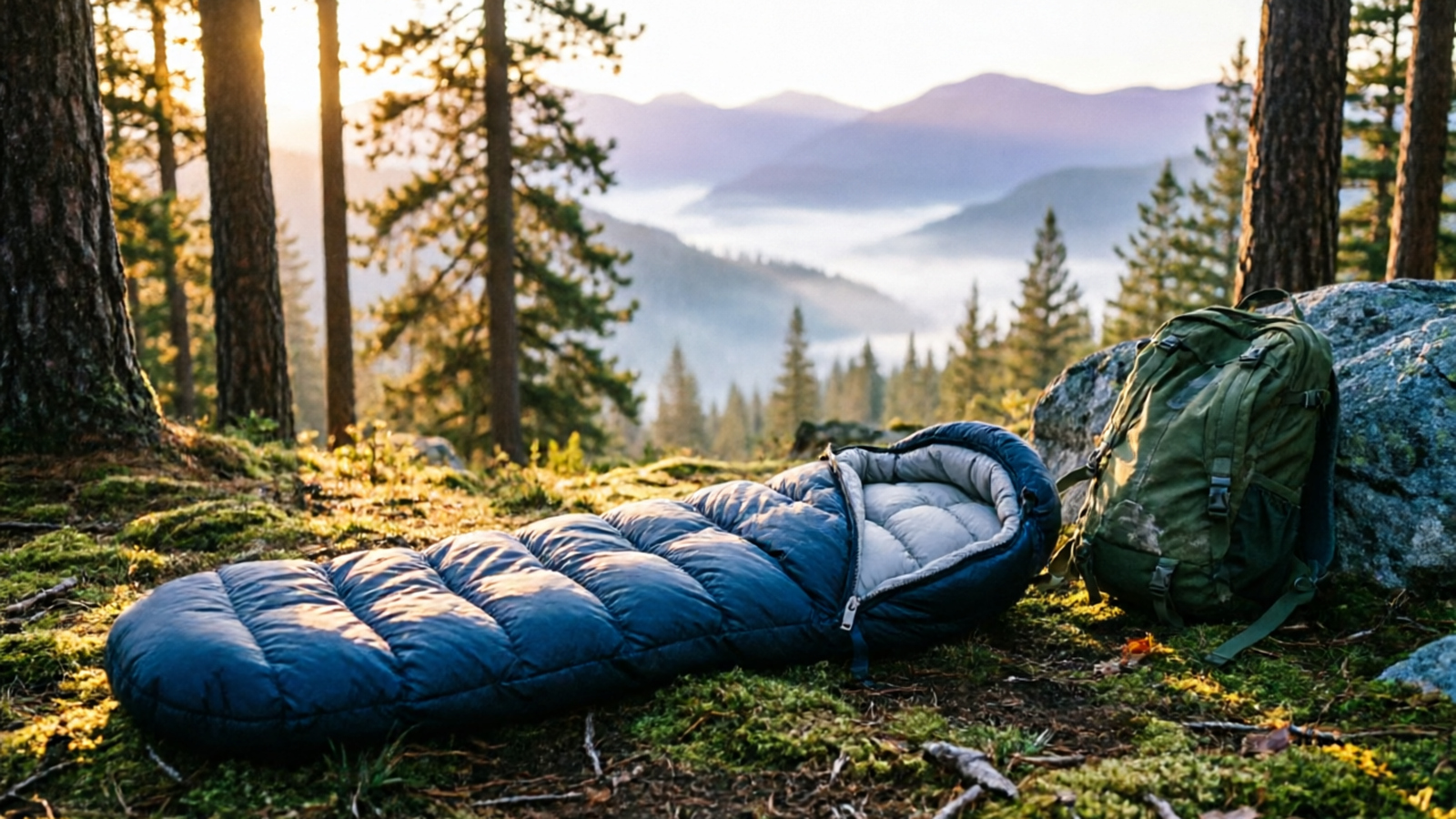
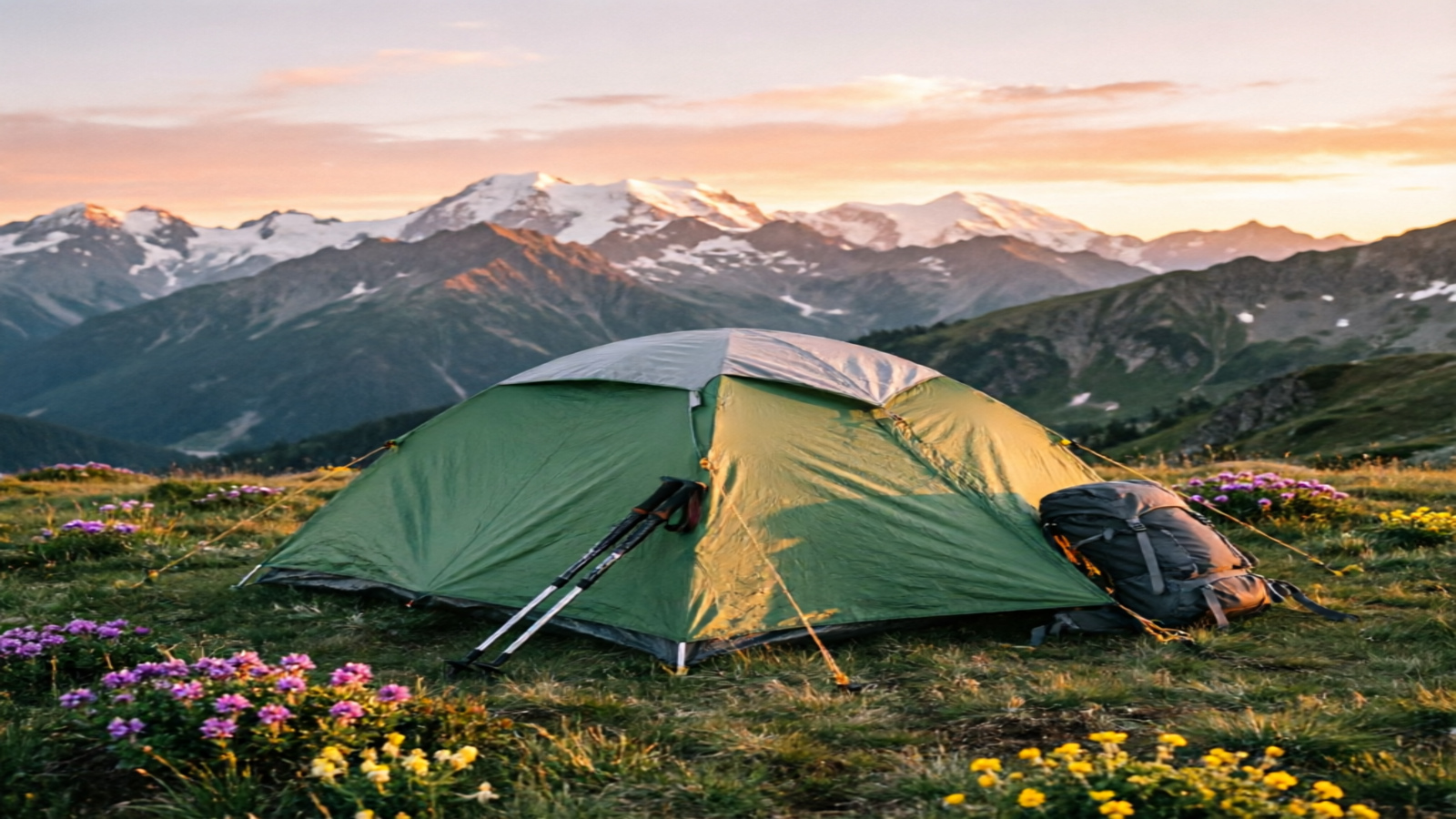
Shelter and sleep: Tent rated for your group size plus one, sleeping bag rated 10°F below expected lows, sleeping pad with appropriate R-value, and a ground tarp. For walk-in sites, see our solo camping guide for ultralight shelter options.
Food and water: One gallon per person per day minimum, a camp stove with fuel, basic cookware, and food storage. A water filter backup saves weight and provides insurance.
Safety and navigation: First aid kit, headlamp with extra batteries, offline maps plus a paper backup, and at least two fire-starting methods.
Clothing system: Moisture-wicking base layer, insulating mid-layer, and a waterproof shell. No cotton — it stays wet and chills fast. Pack two extra pairs of socks.
Car Camping — The Comfortable Option
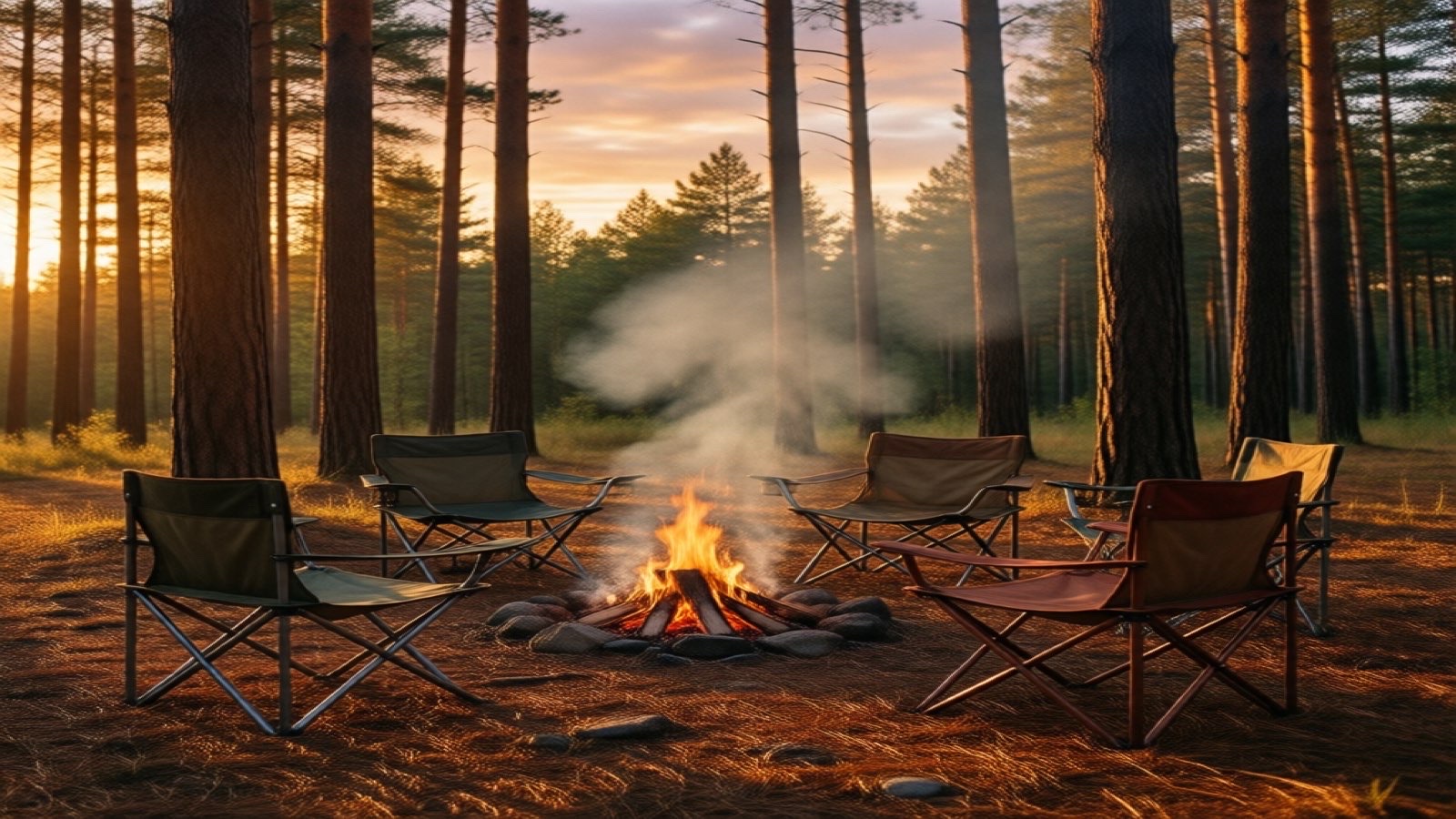
Car camping removes weight limits, so bring what makes you comfortable. This section of your camping packing list covers items that earn their place when you can haul more. A cooler with ice, a real camp chair, a two-burner stove for proper meals, and an awning or canopy for shade all make the cut.
Campers report that the single biggest comfort upgrade is a well-stocked cooler — cold drinks and fresh food beat dehydrated meals every time. Block ice lasts longer than cubes, and draining melt water rather than dumping it preserves the remaining ice longer. For full setup advice, see our car camping checklist.
Solo Camping — Minimal and Efficient
Solo camping means every item is on you. Your camping packing list should prioritize weight and multi-use gear above all else. A two-person tent gives extra gear space inside, and a satellite messenger is critical safety insurance when alone.
Single-serving meals eliminate leftovers, and dual-purpose items save weight.
Dual-purpose items save weight: a bandana works as a towel, pot holder, sun protection, and water filter pre-filter. Reduced cookware — one pot, one spork, one mug — keeps your pack lean.
Summer Camping Additions
Summer is the easiest season but brings heat, bugs, and sudden thunderstorms. Add these to your camping packing list: SPF 50 sunscreen, DEET-based bug spray, lightweight moisture-wicking clothing, and a wide-brim hat.
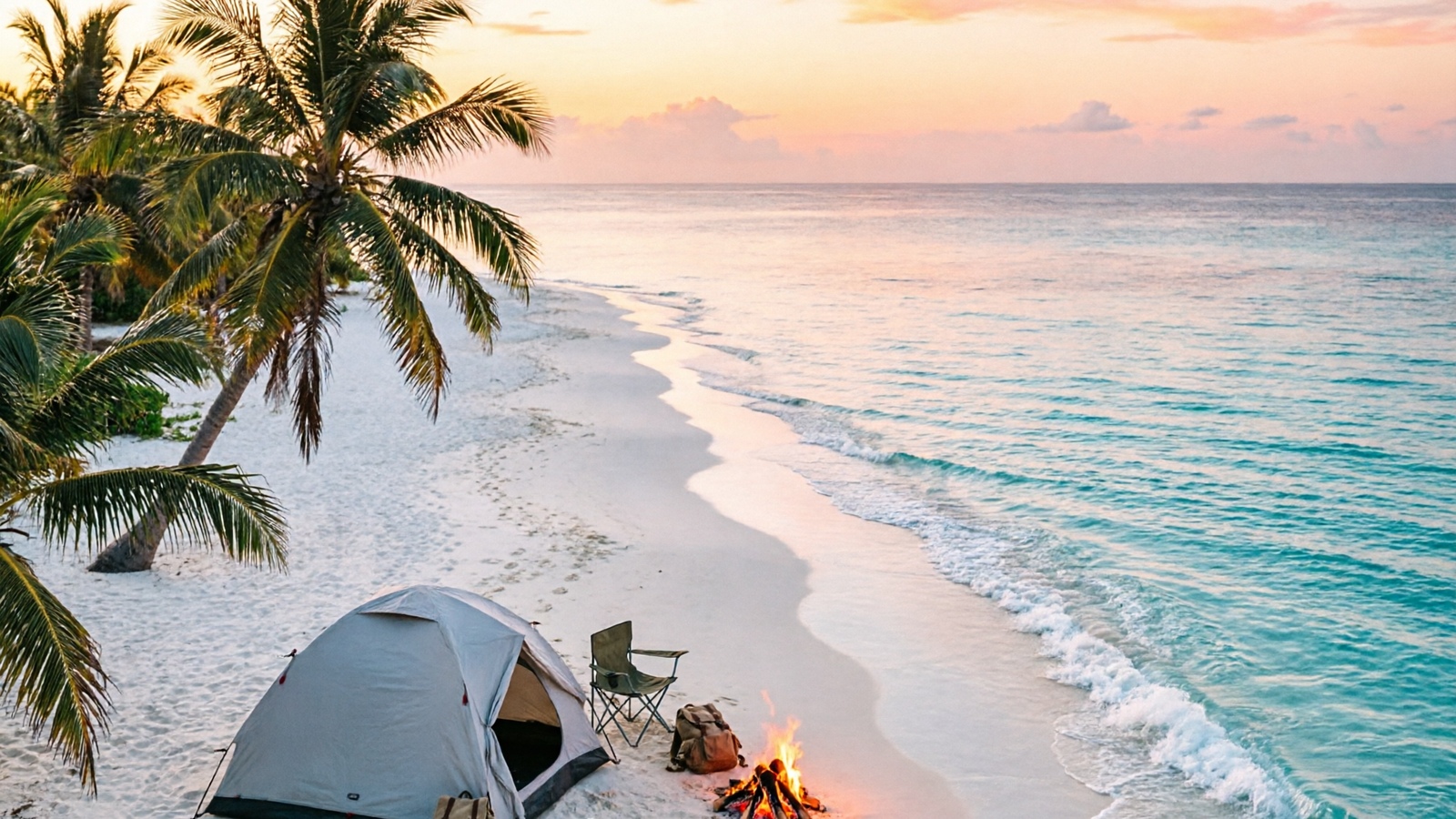
Increase water to 1.5 gallons per person per day in extreme heat, and bring electrolyte packets to prevent dehydration beyond just drinking water. A lightweight rain jacket handles summer storms that roll in fast. For warm-weather coastal trips, see our beach camping guide.
Winter Camping Additions
Winter camping demands serious gear. Your sleeping pad R-value matters more than your bag rating — frozen ground pulls heat faster than cold air. Use R-value 4 or higher.
Pack a sleeping bag rated 15–20°F below expected nighttime lows, a merino base layer with fleece mid-layer and waterproof shell, hand and toe warmers for your sleeping bag and boots, and a liquid fuel stove since canister stoves fail below 20°F. See our full winter camping guide for comprehensive cold-weather preparation.
Family Camping With Kids
Kids change the packing equation entirely. A six-person tent minimum for a family of four, properly sized kids sleeping bags, baby wipes in bulk, and a dedicated snack bag separate from meal food.
Pack extra clothes per kid — they get dirty three times faster than you expect. Glow sticks and headlamps keep kids visible and entertained after dark. For more family-specific advice, see our camping with kids guide.
Weekend vs Week-Long Trips
A weekend trip needs three to four simple meals, one fuel canister, and one clothing backup. A week-long trip requires meal planning for every day plus a one-day buffer, two fuel canisters, three clothing sets on rotation, and a solar shower for hygiene.
For trip-length meal ideas, see our easy camping meals guide. A portable camping shower makes longer trips much more comfortable.
Recommended Gear
| Product | Category | Price | Key Feature |
|---|---|---|---|
| LifeStraw Personal Water Filter | Water Filtration | $17.47 | Filters 1,000 gallons, ultralight |
| LHKNL Headlamp 2-Pack | Lighting | $19.99 | Rechargeable, waterproof, 2-pack |
| Columbia Watertight II Rain Jacket | Clothing | $67.49 | Packable, fully seam-sealed |
| RoverTac 14-in-1 Multitool Axe | Tools | $22.99 | Axe, knife, saw, hammer in one |
| VRIEXSD First Aid Kit (320 Piece) | Safety | $21.99 | 320 pieces, waterproof case |
| W WINTMING 70L Hiking Backpack | Storage | $33.99 | 70L capacity, rain cover included |
| XTAUTO LED Lantern 4-Pack | Camp Lighting | $29.99 | Solar + USB, 4-pack under $30 |
| Frelaxy Dry Bags | Organization | $29.99 | Waterproof, multiple sizes |
Water Filtration
The LifeStraw Personal Water Filter ($17.47) filters up to 1,000 gallons and weighs under 2 ounces. Users mention it provides genuine peace of mind at backcountry sites where water quality is uncertain.
What we like:
- Ultra-lightweight and pocket-sized
- No batteries or pumping required
- Removes 99.999% of bacteria and parasites
What could be better:
- Does not filter chemicals or heavy metals
- Awkward to drink directly from — better paired with a bottle
Personal Lighting
The LHKNL Headlamp 2-Pack ($19.99) gives you two rechargeable, waterproof headlamps for $10 each. Campers report the battery lasts through a full weekend on a single charge.
What we like:
- Two headlamps for the price most charge for one
- USB rechargeable — no disposable batteries
- Multiple light modes including red for night vision
What could be better:
- Plastic clips on the adjustment band feel fragile over time
- Not bright enough for serious trail navigation at speed
Weather Protection
The Columbia Watertight II Rain Jacket ($67.49) is fully seam-sealed and packs into its own pocket. Campers report it handles sustained rain without wetting through during multi-hour downpours.
What we like:
- Fully seam-sealed at a mid-range price point
- Packs into its own hand pocket for easy storage
- Adjustable hood and drawcord hem seal out wind
What could be better:
- No pit zips for ventilation during high-output hiking
- Sizing runs large — order one size down for a snug fit
Camp Tools
The RoverTac 14-in-1 Multitool Axe ($22.99) combines an axe, knife, saw, hammer, screwdrivers, and bottle opener in one compact tool. Users mention it handles camp tasks from splitting kindling to opening cans without needing a separate toolbox.
What we like:
- 14 tools in one device saves pack space
- Includes a protective sheath for safe carry
- Stainless steel construction holds up to regular use
What could be better:
- The axe blade is small — struggles with logs over 4 inches thick
- Heavy at 15 ounces for backpacking trips where every ounce counts
First Aid
The VRIEXSD Premium First Aid Kit ($21.99) packs 320 pieces into a compact waterproof case. Covers bandages, antiseptic, pain relief, tweezers, and emergency blanket basics.
What we like:
- 320 pieces covers cuts, burns, sprains, and allergic reactions
- Waterproof case keeps contents dry in rain
- Labeled compartments make items easy to find fast
What could be better:
- Lacks prescription medication space — add your own pill organizer
- Mini scissors included are too small for cutting bandages efficiently
The Pack Itself
The W WINTMING 70L Hiking Backpack ($33.99) holds enough for two to five day trips and includes a rain cover. The 70L capacity is the sweet spot for campers transitioning from day hikes to overnight trips.
What we like:
- 70L fits everything for a long weekend without strapping gear outside
- Included rain cover protects contents in downpours
- Multiple compartments for organized packing
What could be better:
- Hip belt padding is thin — uncomfortable above 30 lbs loaded
- No frame sheet means heavy loads sag against your back
Campsite Lighting
The XTAUTO LED Lantern 4-Pack ($29.99) gives you four collapsible lanterns for tent, cooking area, bathroom path, and a spare. Solar and USB dual charging means you have backup power options.
What we like:
- Four lanterns for $7.50 each — covers the whole campsite
- Solar charging works as a slow top-up during the day
- Collapsible design takes minimal pack space
What could be better:
- Solar charging is slow — USB is the realistic charging method
- Light output is modest — fine for camp tasks but not for illuminating a large area
Gear Organization
The Frelaxy Dry Bags ($29.99) come in multiple sizes for organizing gear by category inside your pack. Waterproof roll-top closure keeps electronics, clothes, and sleeping gear dry through rain and river crossings.
What we like:
- Multiple sizes let you color-code by category
- Roll-top closure is genuinely waterproof, not just water-resistant
- Lightweight — adds almost no bulk to your pack
What could be better:
- No shoulder strap on any size — awkward to carry solo
- Transparent window is small — hard to identify contents without opening
What NOT to Pack on Your Camping Packing List
New campers bring too much. Leave these behind: cotton clothing that stays wet, glass bottles that break and add weight, full-size toiletries when travel sizes work, excessive electronics, scented products that attract wildlife, and anything you would not use in 48 hours.
The golden rule: pack for the worst weather you might encounter, not the best. Then cut anything that is not essential.
Printable Checklist
Shelter and Sleep: Tent + stakes, ground tarp, sleeping bag, sleeping pad, pillow
Cooking and Food: Stove + fuel, pot and utensils, cooler with ice, water (1 gal/person/day), water filter, food, trash bags
Clothing: Base layer, mid layer, rain shell, extra socks (2+ pairs), camp shoes, hat
Safety: First aid kit, headlamp, map and compass, fire starter, multi-tool, emergency blanket
Comfort: Camp chair, baby wipes, earplugs, book or journal, phone battery pack
The Bottom Line
The right camping packing list depends on your trip type, season, and duration. Start with the Big Four, add trip-specific gear, check the seasonal adjustments, and verify against the printable checklist before you leave.
References
- 什么值得买 — 露营装备清单与购买建议: smzdm.com
- 知乎 — 新手露营打包经验与常见遗漏: zhihu.com
Frequently Asked Questions
What should I pack for a camping trip?
Start with the Big Four: shelter, sleep system, food and water, and a first aid kit. Add layers for weather, a headlamp, and navigation tools. The rest depends on your trip type — car camping allows more, backpacking demands ultralight.
What is the difference between a packing list and a camping checklist?
A packing list is organized by category like shelter and cooking. A checklist is a flat item-by-item list you check off as you load the car. This guide includes both formats.
How do I pack differently for summer vs winter camping?
Summer needs sun protection, bug spray, breathable layers, and extra water. Winter requires an insulated pad with R-value 4+, a cold-rated sleeping bag, layered clothing with zero cotton, and a liquid fuel stove.
What should I NOT bring camping?
Leave cotton clothing, glass bottles, scented toiletries, excess electronics, and valuables. New campers overpack — if you would not use it in 48 hours, leave it behind.
What do first-time campers always forget?
Trash bags, extra toilet paper, a camp chair, fire starter beyond matches, a ground tarp, earplugs for noisy campgrounds, and a backup phone battery.
How much water should I pack for camping?
One gallon per person per day for drinking and cooking. Add more for hiking or hot weather. Always carry a backup water filter even at developed sites.
Do I need different gear for car camping vs tent camping?
Car camping lets you bring heavier items like coolers and real chairs. Walk-in tent sites mean carrying everything from the parking area, so prioritize weight and multi-use gear.
Can I use this packing list for backpacking?
This guide covers the basics, but backpacking demands strict weight management. Focus on base weight under 20 lbs and cut anything that is not safety-critical or multi-purpose.