8 Best Budget Tents in 2026: Fully Tested & Reviewed
8 budget tents sorted by real price: two under $50, four under $100. The $65 Coleman Sundome takes the top spot on welded-corner waterproofing.
Products Reviewed
A cheap tent fails in a way an expensive one doesn’t: it leaks first, then a pole snaps, then you’re buying a second one anyway. Price decides most of that, but only if you know what you’re trading away.
Here’s the split: two of these eight cost under $50, four cost under $100, and two sit above it because being the cheapest stopped being the goal.
Quick Answer
- Best overall under $100 — Coleman Sundome ($64.99) — Welded corners and inverted seams. Sizes from 2P to 6P.
- Cheapest that’s still a real shelter — Clostnature 2/4/6P ($36.99) — Seam-taped rainfly and a footprint included, which nothing cheaper here manages.
- Lightest — ALPS Lynx 1P ($114.99) — 4.1 lbs, factory-sealed seams, aluminum poles.
- Cheapest ultralight — Night Cat 1-2P ($39.99) — 4.3 lbs, five-minute setup, fiberglass poles.
- Best budget backpacking tent — Forceatt 2P ($75.99) — Aluminum poles and a double rainfly at the lowest price that has them.
- Best blackout — LOYEAHCAMP 4P ($86.99) — The only one here that blocks about 90% of daylight.
- Fastest setup — Coleman Instant Tent ($149.99) — Trunk to lying down in about 60 seconds. The heaviest thing on this list.
Quick Comparison
| Product | Price | Capacity | Weight | Poles | Waterproofing | Setup | Best For |
|---|---|---|---|---|---|---|---|
| Coleman Sundome | $64.99 | 2-6P | 5-12 lbs | Fiberglass | Welded corners | 10 min | Best overall under $100 |
| Clostnature 2/4/6P | $36.99 | 2-6P | Not listed | Aluminum | Seam-taped fly | 10 min | Cheapest real shelter |
| Night Cat 1-2P | $39.99 | 1-2P | 4.3 lbs | Fiberglass | Single layer | 5 min | Cheapest ultralight |
| Forceatt 2P | $75.99 | 2P | 5.5 lbs | Aluminum | 2000mm PU | 5 min | Budget backpacking |
| LOYEAHCAMP 4P | $86.99 | 4P | Not listed | Fiberglass | 2000mm PU | 8 min | Blackout |
| Teton Sports Vista 1P | $99.98 | 1P | 5 lbs | Aluminum | Seam-taped | 3 min | Quickest solo under $100 |
| ALPS Lynx 1P | $114.99 | 1P | 4.1 lbs | Aluminum | Factory-sealed | 5 min | Lightest + sealed seams |
| Coleman Instant | $149.99 | 2-10P | 8-25 lbs | Pre-attached | Weathertec | 1 min | Fastest setup |
Prices and weights pulled from Amazon on October 7, 2026 and they move often — check the live listing before you buy, and note that “Not listed” means Amazon doesn’t publish a weight for that variant. To finish the kit, add a camping stove and a sleeping pad. If you’d rather spend the savings, our best camping tents covers what the extra money actually buys.
Budget Tents Under $50
Two tents in this roundup land under $50, and they fail in different ways. The Clostnature is a car-camping tent you can also carry. The Night Cat is a backpacking tent that will keep rain off you but not much else.
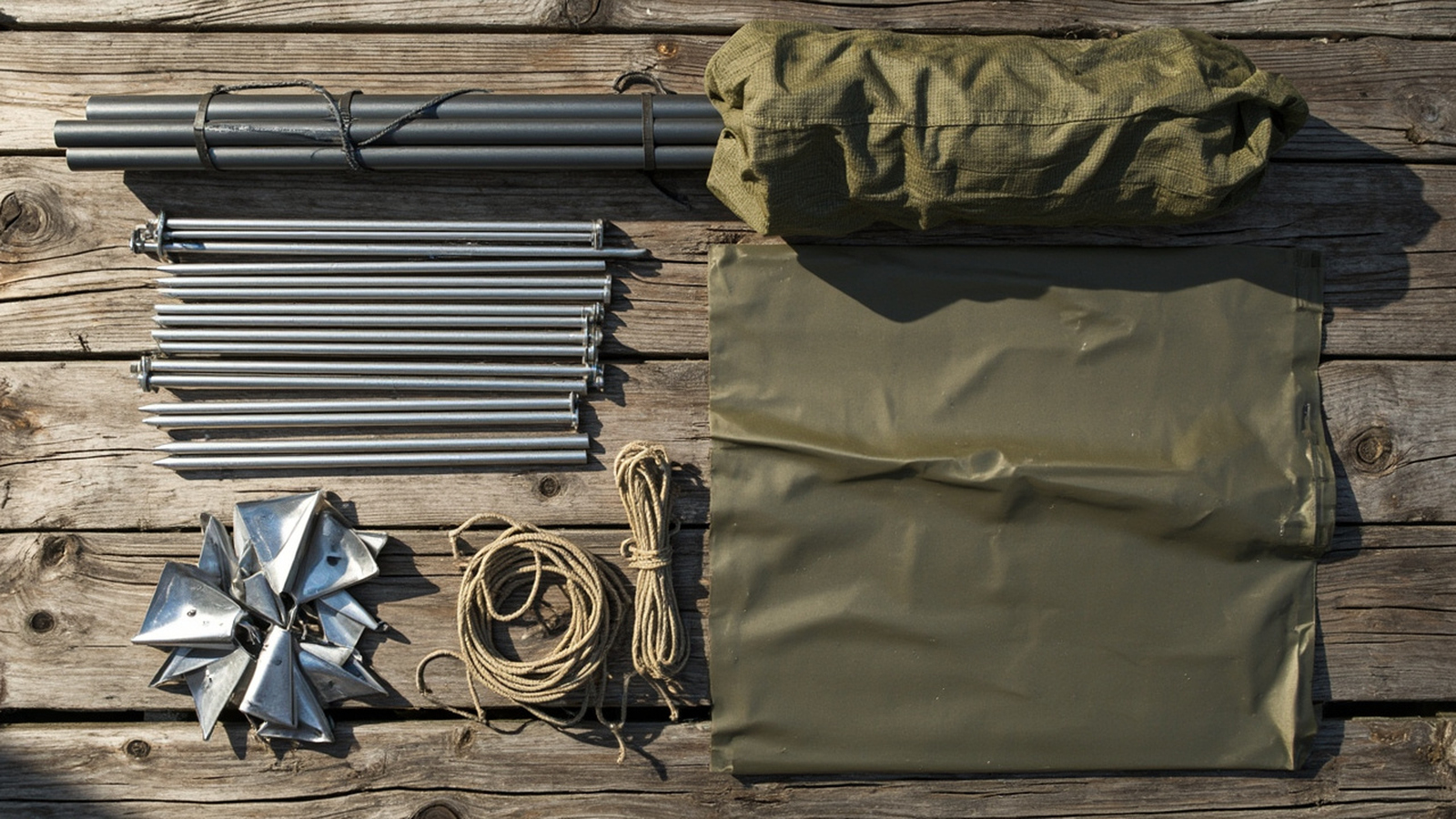
Clostnature 2/4/6 Person Tent — Cheapest Real Shelter, $36.99
The cheapest tent here that still gives you the two things that matter: a seam-taped rainfly and a footprint in the bag. That combination is what separates a shelter from a roof over a wet sleeping bag, and almost nothing at this price includes both. It comes in 2P, 4P, and 6P at consistent pricing, so you don’t have to change tents when the group size changes.
Packs down to roughly the size of a rolled yoga mat, which makes it easy to stash and quick to set up. The 210T polyester body is thin enough that condensation shows up on the ceiling before it rains hard, so pitch it with the fly taut and the vents open. Amazon doesn’t publish a weight for this variant, so judge it by the 4P before you commit to a long carry.
The weak spot is quality control. Some buyers received units missing the rainfly entirely, which is not a problem you want to discover at 11pm — check the bag against the parts list before you leave the house, and know the carry bag runs too tight for re-packing after the tent has been damp once.
What we like: 2P/4P/6P sizes, seam-taped rainfly, 210T polyester, footprint included, aluminum poles at this price. What could be better: Missing rainfly reports on some units, carry bag too tight, 4P runs heavier than rivals, inconsistent QC.
Best used as a basecamp tent for two or three nights where you drive in once and stay put: the 4P gives two adults genuine floor space with a pack at the foot, and the included footprint stops the floor lying straight on wet ground. It works just as well as a kids’ tent beside a bigger one. Owners who have run it through a full season report the fly holds its shape after being folded damp, which is more than most tents at this price manage.
Night Cat 1-2 Person Tent — Cheapest Ultralight, $39.99
At 4.3 lbs and $39.99 this is the cheapest way into a tent you can actually carry, which makes it the one to reach for if you’re covering real distance on foot. Setup takes about five minutes and the mesh panels keep the tent usable on a warm night without cracking a window. It is not the lightest tent in the roundup — the ALPS Lynx at 4.1 lbs is — but it costs a third as much.
The single-layer construction is the whole trade-off. One layer of fabric means less to fail, but it also means no air gap between you and the weather, so it loses heat faster and handles sustained rain worse than anything else here. Fiberglass poles are the other cost — they flex in wind and they splinter at the ferrule, which is the single most common complaint across budget tent brands.
Interior length is tight. A 6’4” camper fits with inches to spare, and the 2P size is not a two-adult tent.
What we like: Cheapest ultralight at 4.3 lbs, multiple size options, five-minute setup, mesh ventilation, $39.99. What could be better: Single layer loses heat and sheds rain poorly, fiberglass poles splinter, cramped for two, zipper quality.
At 4.3 lbs it disappears into a side pouch, which is the point if you’re walking a trail with resupply stops rather than carrying a tent to a car park. Setup in daylight takes five minutes; setup in the dark takes considerably longer, so carry a headlamp. The single-layer design also makes this a three-season tent — in real winter you’d be managing condensation and cold rather than staying dry, so pick a bag rated for the temperature rather than the season.
Budget Tents From $50 to $100
This is the band where budget tents stop being a compromise and start being the sensible answer. Four of the eight land here, and they cover backpacking, car camping, blackout sleepers, and families of four.
Coleman Sundome — Best Overall Under $100, $64.99
The tent we’d hand a beginner who plans to keep camping past the first season. Coleman’s Weathertec system welds the corners and inverts the seams rather than relying on tape, and that single manufacturing detail is why it holds up when cheaper tents start dripping through the stitching. It’s the only tent in this roundup where the waterproofing isn’t the weak point.
Available in 2P, 3P, 4P, and 6P, with color-coded poles so first-time setup doesn’t require a manual. The cabin-style floor is genuinely flat and wide, which is what makes it work as a basecamp tent for a family rather than a weekend shelter. Coleman has been making outdoor gear since 1900, and the Sundome design has been in the catalog long enough that replacement parts and advice are easy to find.
Fiberglass poles are the weak point, and this 2-person listing is 6.8 lbs — so treat it as a car-camping tent, full stop. The same model runs up to a 6P that you’ll never lift onto your back.
What we like: Welded corners and inverted seams, four sizes, flat cabin floor, color-coded 10-minute setup, Dark Room options on some sizes. What could be better: Fiberglass poles, 2P is tight for two adults, rainfly doesn’t cover fully, too heavy to carry.
This is the tent we’d put a family of four in without a second thought, and our best family tents roundup covers what changes when the group is bigger or the trips run longer. Pitch it on a slight slope with the door facing away from the prevailing wind: the flat floor only helps if water runs out of the tent rather than into it.
Forceatt 2-Person Tent — Best Budget Backpacking, $75.99
The cheapest tent here with aluminum alloy poles, and at $75.99 that detail alone puts it ahead of most of the sub-$60 field. Aluminum doesn’t splinter, it doesn’t flex in a crosswind, and it means the tent holds its shape in the dark when you’re pitching it one-handed with a headlamp. Double-layer construction with a PU-coated rainfly handles light to moderate rain without you touching a seam sealer.
The interior is narrow for two adults — realistically one person plus gear. There’s no vestibule, so boots and packs stay outside or inside your sleeping space, whichever annoys you more. The floor is thin, which is why it’s worth laying a camping tarp underneath if you’re heading somewhere wet.
At 5.5 lbs it’s a two-night pack rather than a basecamp, and it pairs naturally with the pads in our best camping sleeping pads roundup.
What we like: Aluminum poles at the lowest price that has them, double-layer PU rainfly, 5.5 lbs, holds shape in wind. What could be better: Narrow for two adults, no vestibule, seam sealing may still be needed, thin floor.
At $75.99 it’s the cheapest tent here whose poles won’t snap on a windy ridge, which is the most common way budget backpacking tents fail mid-trip. Owners who’ve used it across a full season report the double fly keeps gear dry through sustained rain without any seam work beforehand. Treat the missing vestibule as the price of the aluminum, and check the hub-to-pole fit before every trip if you pitch in wind.
LOYEAHCAMP 4P Blackout Tent — Best Blackout, $86.99
The only tent here built for sleeping past sunrise. The blackout fabric blocks about 90% of daylight, which on a campsite means nobody wakes up at 5:40am because the sun came up early and nobody else noticed. If you have kids, share a tent with a light sleeper, or just generally hate alarms, that one feature justifies most of the price gap over the Clostnature.
The design has a flaw that shows up on breezy nights: the top section is mesh-only when the rainfly isn’t on, so wind and cold come straight in. Treat it as a three-season tent for calm sites, and clip the fly on whenever the forecast turns. Zipper quality is the other recurring complaint, and it’s the part most likely to need replacing first.
Clip-pole assembly takes about eight minutes. At roughly 8 lbs it’s a car-camping weight.
What we like: Blocks about 90% of daylight, 4P family size, clip-pole assembly, mesh ventilation, no other tent here does this. What could be better: Mesh top lets wind in without the fly, zipper quality, no vestibule, newer brand with thinner support.
Worth pairing with a sleeping bag rated for warm nights — the whole point of a blackout tent is uninterrupted sleep, and a cold floor works against that. The 4P fits two adults and two kids with gear at the door rather than underfoot. Owners report the fabric blocks what the listing claims, so clip the fly on before you leave it standing overnight, even on a still night.
Teton Sports Vista Quick Tent — Fastest Solo Under $100, $99.98
The fastest backpacking tent in this roundup, and the only one that lands under $100 while doing it. The hub design unfolds and folds like an umbrella — there’s no pole threading at all, which is why it goes up in about three minutes instead of ten. For a solo camper arriving after dark with the light fading, that’s worth more than another half pound of saved weight.
Aluminum poles and a clip-on rainfly, plus a gear loft and internal pockets. At 5 lbs it’s still a carryable tent, though it’s not the choice for a long approach.
The central hub is also the failure point: it’s the part that can crack on first hard use, so open it and flex it before every trip rather than discovering it in the rain. Amazon lists this variant as 1 Person at 37 inches wide, so if you need room for two this isn’t the tent — and the 2-person version of the same model is a different ASIN at $77.99 and 6.6 lbs.
What we like: Umbrella-fast three-minute setup, aluminum poles, clip-on rainfly, gear loft and pockets, stays under $100. What could be better: Hub mechanism is the weak point, 1P only at 37 inches wide, rainfly can lift at the edges.
At $99.98 this is the most expensive tent in the roundup while still sitting under the hundred-dollar line, and the hub mechanism is the entire reason. For a solo camper who wants something that packs small, pitches fast, and doesn’t need a practice run in the dark, there isn’t a better buy at this price.
Over $100: When Budget Runs Out
Two tents here cost more than $100, and neither is pretending to be the cheapest option on the market. You’re paying for a specific mechanism — sealed seams or pre-attached poles — and if that mechanism isn’t what you need, stay in the band below.

ALPS Mountaineering Lynx 1-Person — Best Sealed-Seam Solo, $114.99
The one tent here that arrives with its seams already sealed. Every other budget option asks you to either trust the tape or buy a seam sealer before the first real storm; the Lynx ships factory-sealed, so on a wet-weather trip you pack the tent and go. Aluminum pole frame, a vestibule for boots and pack outside your sleeping space, and a freestanding design that doesn’t need guying to stand up.
At about 5 lbs it’s a genuine solo backpacking tent rather than a car-camping tent you can technically carry.
Capacity is the limitation: it’s 1P only, and the 2P Lynx sits above this roundup’s ceiling. Some waterproof complaints surface in owner feedback, the vestibule is small enough that a large pack crowds the door, and it’s tight for campers over 6 feet. ALPS has been building tents since 1993.
What we like: Factory-sealed seams, aluminum poles, vestibule, freestanding, 4.1 lbs — lightest here and the only sealed-seam tent at any price. What could be better: 1P only, small vestibule, tight above 6 feet, some leak reports, over the budget ceiling.
If you’re going somewhere with a forecast instead of a guess, the sealed seams are the feature that justifies the price, and at 4.1 lbs it’s the lightest tent in this roundup as well as the only sealed-seam one. Owners who’ve taken it out in sustained rain report that the fly is what keeps water out rather than the taped floor, so leave the vestibule open in heat and closed in weather. It’s also the only tent here that works as an unattended base, because you can leave it standing — add a camping tarp over the fly if you’re out for a week.
Coleman Instant Tent — Fastest Setup, $149.99
Nothing else on this list goes from the trunk to lying down faster. The poles are already attached to the frame, so you unfold, lock, and stake — under a minute from packed to pitched, which is why it’s the default answer for festival weekends and for anyone pitching in rain with kids in the car. It comes in sizes from 2P all the way to 10P, so the same model covers a couple and a full reunion group.
That convenience is the entire price. Pre-attached poles make this the bulkiest tent here, and the 4-person version alone is 19 lbs, so the volume penalty matters even where the weight doesn’t — it eats trunk space permanently.
The pin joints are the failure point, because a pin failure disables the whole tent — there’s no way to re-thread or replace a bent pole section the way you can on a normal sleeve or hub design. Owner feedback also reports leaks around the seams, which is odd given the Weathertec branding, and if a pin is what breaks, this tent is done.
What we like: Under a minute to pitch, 2P to 10P in one design, Weathertec fabric, Dark Room variants, unbeatable in a downpour. What could be better: Heaviest and bulkiest here, most expensive, pin failures disable it, some leak reports.
The case for it is narrow and specific: rain, kids, darkness, and a trunk. If your trips are planned and the forecast is calm, a $65 dome tent will serve you for a decade and packs into a fraction of the space. Every ounce and cubic foot of this one is payment for the minute it saves.
How to Choose a Budget Tent
Camping Style: Backpacking vs Car Camping
Backpackers need a tent under 6 lbs: the Night Cat, ALPS Lynx, Teton Vista, and Forceatt all qualify. Car camping tents are heavier and buy that weight back as interior space. Deciding this first removes half the list.
Capacity: Always Size Up
Stated capacity assumes everyone is lying shoulder to shoulder with zero gear inside. A 2P tent fits one person plus a pack, a 4P fits two adults, and a 6P works for a family of four. Budget tents run narrower than their premium equivalents, so if you’re choosing the best tents for a family of four, go 6P and read our best family tents roundup before you commit.

Poles: Aluminum vs Fiberglass
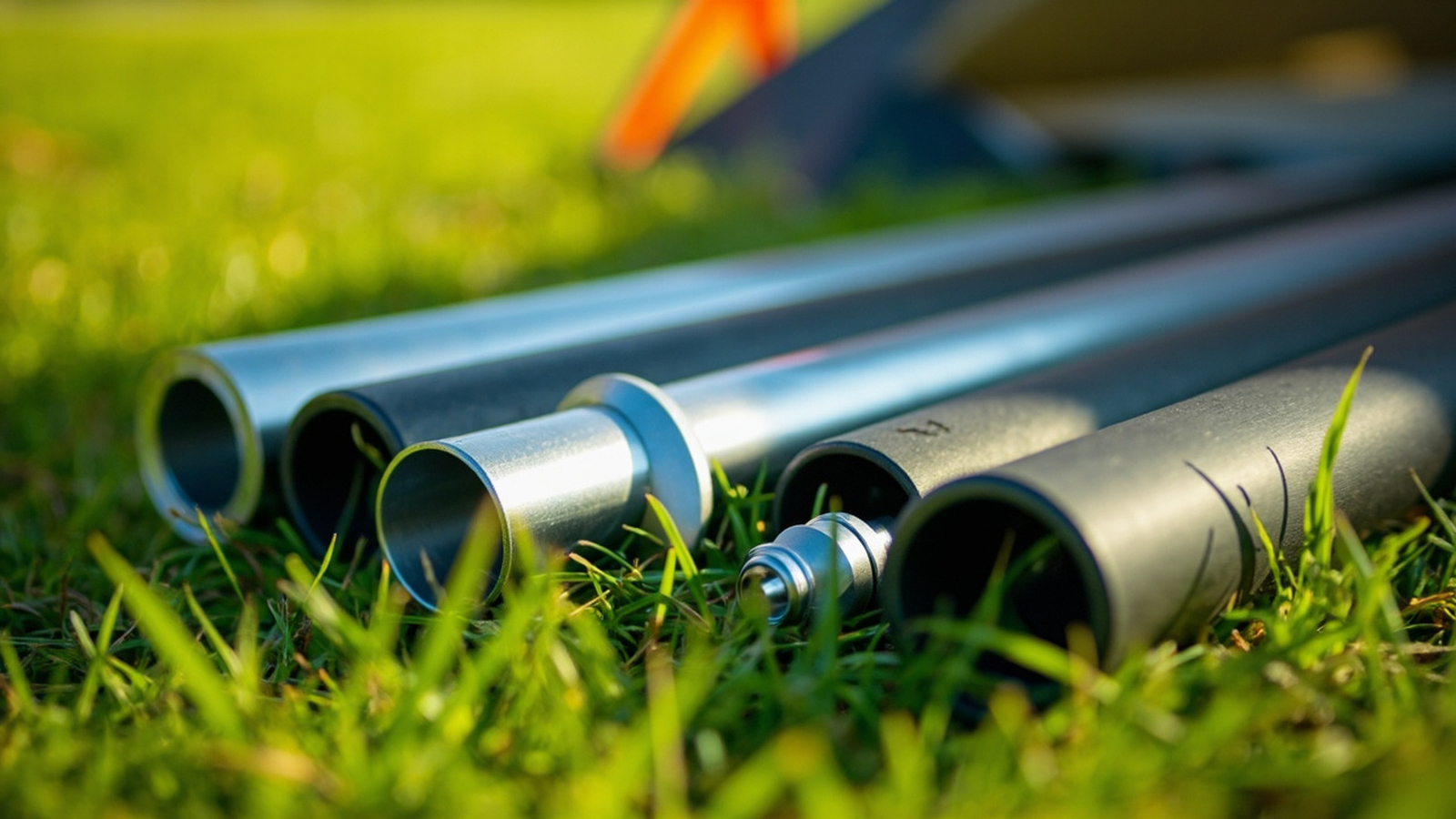
Aluminum — Forceatt, ALPS Lynx, Teton Vista, Clostnature — is lighter, holds shape in wind, and won’t splinter. Fiberglass — Coleman Sundome, Night Cat, LOYEAHCAMP, Coleman Instant — is cheaper and lighter to bend into shape, and develops splinters at the ferrules over time. Splintering fiberglass is the most common complaint across the whole budget category.
Waterproofing: Check the Seams, Not the Number
Every budget tent here claims 2000mm PU or better, and those numbers tell you almost nothing. The Coleman Sundome welds its corners and inverts its seams; the ALPS Lynx arrives factory-sealed; everything else asks you to run a seam sealer first. Pitch any of them at home and hit it with a hose before the first trip — our waterproofing guide walks through the test.
Setup Speed: Minutes vs Seconds
Standard dome tents take 5 to 10 minutes with pole threading; the Teton Vista clips on in about 3 and the Coleman Instant is under 1. Setup speed matters most if you’re pitching after dark or in weather, which is exactly when a 10-minute tent feels like 30.
For first-time pitchers, our setup walkthrough covers the color-coded method most of these use.
Which Budget Tent Should You Buy
For most people, the Coleman Sundome is the answer: welded corners, inverted seams, four sizes, and a flat floor that works as a basecamp.
If your budget is genuinely tight and you’re car camping, the Clostnature at $36.99 still gives you a taped fly and a footprint. For backpacking on a real budget, the Forceatt 2P is the aluminum-pole option, and if you’re camping solo in weather, pay the extra for the ALPS Lynx 1P and its factory-sealed seams. Pitching in rain with kids in the car means the Coleman Instant Tent and nothing else.
Sleeping past sunrise? The LOYEAHCAMP is the only blackout tent here. If you want one tent to last a whole trip, compare all eight against our camping tent buying guide before deciding.
Frequently Asked Questions
Best budget tent overall? The Coleman Sundome at $64.99 — welded corners, inverted seams, sizes from 2P to 6P, ten-minute color-coded setup. It’s the default answer because the waterproofing isn’t the weak point.
How much should a budget tent cost? Three bands: under $50 for ultralight basics with fiberglass poles, $50 to $100 for the sweet spot where aluminum poles and taped seams are reachable, and above $100 you’re paying for instant setup or factory-sealed seams rather than a better tent.
Budget vs expensive tent? Poles (fiberglass vs aluminum), fabric (190T vs high-denier nylon), waterproofing (DIY vs factory sealed), setup (sleeve vs hub vs instant).
Are cheap tents waterproof? Most claim 2000mm PU and the seams decide the outcome. The Coleman Sundome welds its corners and the ALPS Lynx ships factory-sealed. Others may need DIY sealing — test with a hose first.
What size do I need? Always size up. 2P fits one person plus gear, 4P fits two adults, 6P works for a family of four. Budget tents run small, so go one size above the number of people.
Good for backpacking? The ALPS Lynx 1P and Teton Vista 1P use aluminum poles under 6 lbs. The Forceatt 2P is 5.5 lbs with aluminum poles. The Night Cat is the cheapest ultralight at 4.3 lbs but fiberglass. Our backpacking tent roundup covers the lighter end.
How long do they last? 2 to 5 seasons with seasonal use: fiberglass poles last 2 to 3 seasons and aluminum poles last 3 to 5. UV exposure is the main enemy, so store the tent out of direct sun.
Best instant setup? The Coleman Instant — pre-attached poles, under a minute, sizes from 2P to 10P. It’s the heaviest tent here, so it’s car camping only.
Cheapest that’s still worth it? The Clostnature at $36.99. Below that line you give up the taped fly or the footprint, and one of those is what keeps the rain outside.
What else do I need with a budget tent? A sleeping bag rated for the low you’ll actually hit, a pad with an R-value above 3 for shoulder seasons, and a headlamp — the lantern roundup covers the cheap ones that do the job. Sleeping bags is where to match the bag to the tent.
References
- CleverHiker — Best Budget Tents of 2026 — backpacking-focused budget tent testing
- Wirecutter — Best Tent for Family and Car Camping — general tent selection with budget options
- GearJunkie — Camping Tent Buying Guide — tent features and waterproofing education
- 知乎 — 露营帐篷选购推荐 — 用户真实使用体验和品牌对比讨论 [知乎]
- 什么值得买 — 便宜露营帐篷推荐 — 预算帐篷价格对比和促销信息 [什么值得买]