The Ultimate Guide to Cabin Camping (2026)
Your cabin camping guide: types, what to pack, cabin vs tent vs RV, checklist, and top tips. Plan your first cabin camping trip today.
Cabin camping bridges the gap between sleeping on the ground in a tent and checking into a hotel room. You get a solid roof, protection from wind and rain, and often a real bed — but you still wake up to birdsong, trail access, and a fire ring outside your door.
This guide covers what cabin camping actually means, the types of cabins you will encounter, how it compares to tent and RV camping, exactly what to pack, and the gear that makes cabin stays more comfortable. Whether you are a first-timer or a tent camper looking for a weatherproof alternative, this guide has you covered.
What Is Cabin Camping?
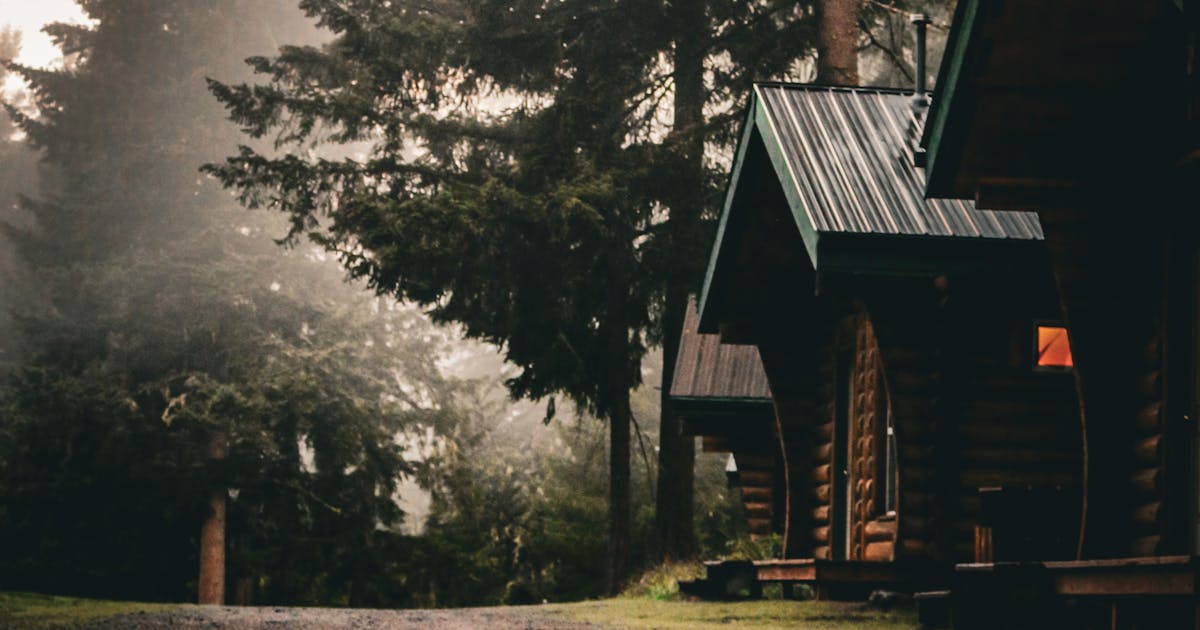
Cabin camping means staying in a cabin structure at a campground, state park, national forest, or private resort instead of pitching a tent or parking an RV. The format has existed for over a century — the Civilian Conservation Corps built thousands of park cabins in the 1930s that are still rented today.
The defining feature is structure without full services. Unlike hotels, cabins rarely include daily housekeeping or room service. Unlike tents, cabins provide solid walls, a roof, and a door that locks.
The experience falls between tent camping and glamping on the comfort spectrum.
Cabins serve a wide audience: families with young children not ready for tent camping, older adults who no longer want to sleep on the ground, couples seeking a weekend without the physical demands of tent setup, and anyone who wants nature access without sacrificing sleep quality. For campers considering their first outdoor trip, our camping guide for beginners covers the fundamentals.
Types of Cabins
Not all cabins are created equal. Understanding the four main types prevents unpleasant surprises at check-in.
Rustic Cabins
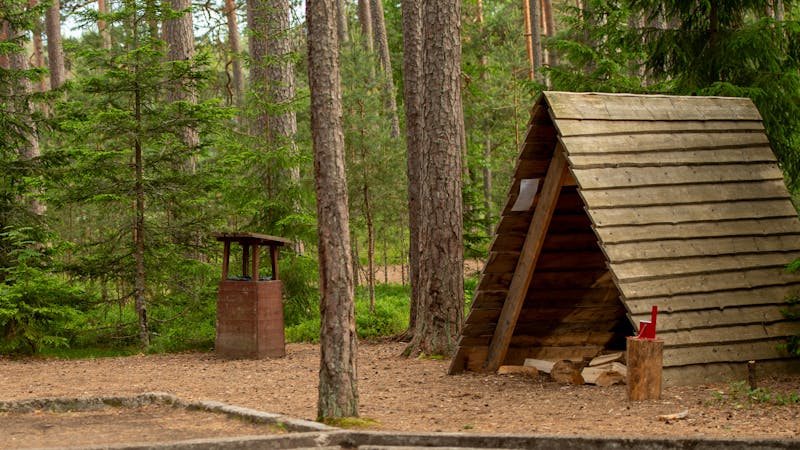
The most basic option. Rustic cabins typically offer four walls, a roof, a locked door, and beds or bunks with mattresses. No electricity, no running water, no indoor plumbing.
An outhouse or pit toilet serves as the bathroom. A fire ring and picnic table sit outside. Cooking happens over campfires or portable stoves.
Standard Cabins
The middle tier and the most popular rental type. Standard cabins add electricity, lighting, and often a small fan or heater. Some include a basic kitchenette with a sink, mini-fridge, and microwave.
Beds have mattresses, and some provide basic linens. Enough comfort to relax, enough simplicity to feel like camping.
Luxury Cabins and Lodges
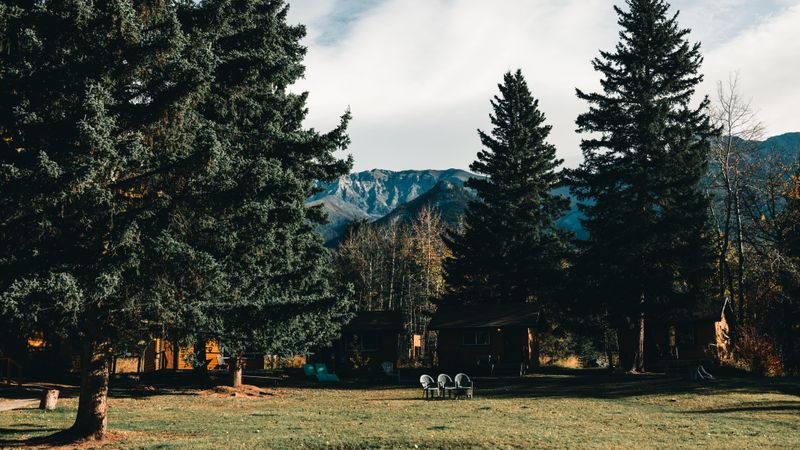
The high end. Full kitchens with appliances, private bathrooms with hot water, climate control, comfortable furniture, linens, Wi-Fi, and sometimes hot tubs or fireplaces. These blur the line between camping and resort lodging.
They cost significantly more but eliminate almost all camping discomfort. Popular for couples’ getaways, family reunions, and glamping-style experiences. Our glamping guide covers this end of the spectrum in detail.
Backcountry or Trail Cabins
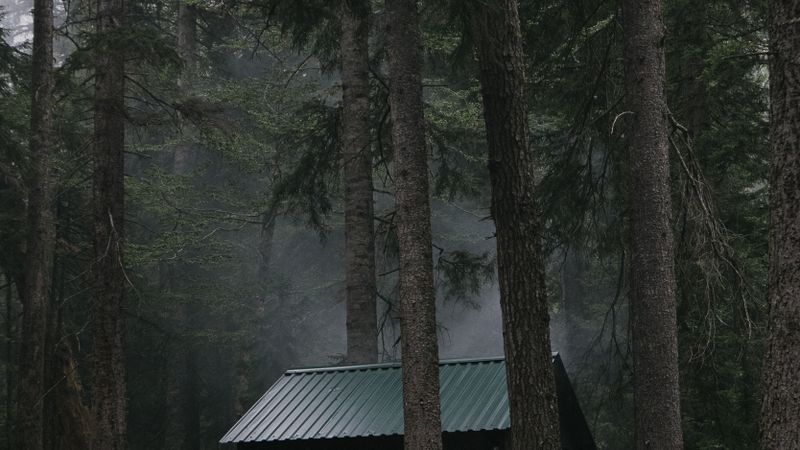
The adventure option. Remote structures accessible only by hiking, skiing, or canoeing. They provide basic shelter — four walls and a roof — but nothing else.
No services, no reservations, first-come first-served. Common on long-distance trails and in Nordic ski systems.
Cabin Camping vs Tent Camping vs RV Camping
Choosing between cabin, tent, and RV depends on your priorities:
| Factor | Cabin | Tent | RV |
|---|---|---|---|
| Weather protection | Excellent | Fair | Excellent |
| Setup effort | None | Moderate | Some |
| Immersion in nature | Moderate | Excellent | Good |
| Comfort level | High | Low | Highest |
| Cost per night | Moderate | Lowest | Highest |
| Portability | None | Highest | Good |
| Kitchen access | Moderate | None | Full |
| Pet friendly | Good | Excellent | Good |
Cabins win on: weather protection, zero setup, comfort for beginners, and family-friendliness. You arrive, unlock the door, and start enjoying your trip immediately.
Tents win on: cost, portability, and nature immersion. Nothing between you and the outdoors. For tent camping fundamentals, see our guide on how to set up a tent.
RVs win on: self-contained living, kitchen and bathroom access, and climate control. For RV-specific guidance, see our RV camping guide.
Bottom line: Choose cabin camping for outdoor access with guaranteed shelter and a comfortable bed. Choose tent camping for the most affordable and immersive experience. Choose RV camping for maximum self-sufficiency on the road.
What to Pack for Cabin Camping
Packing for cabin camping requires less than tent camping but more than most people expect. Cabin amenities vary — never assume your cabin has everything you need.
Bedding and Sleep Gear
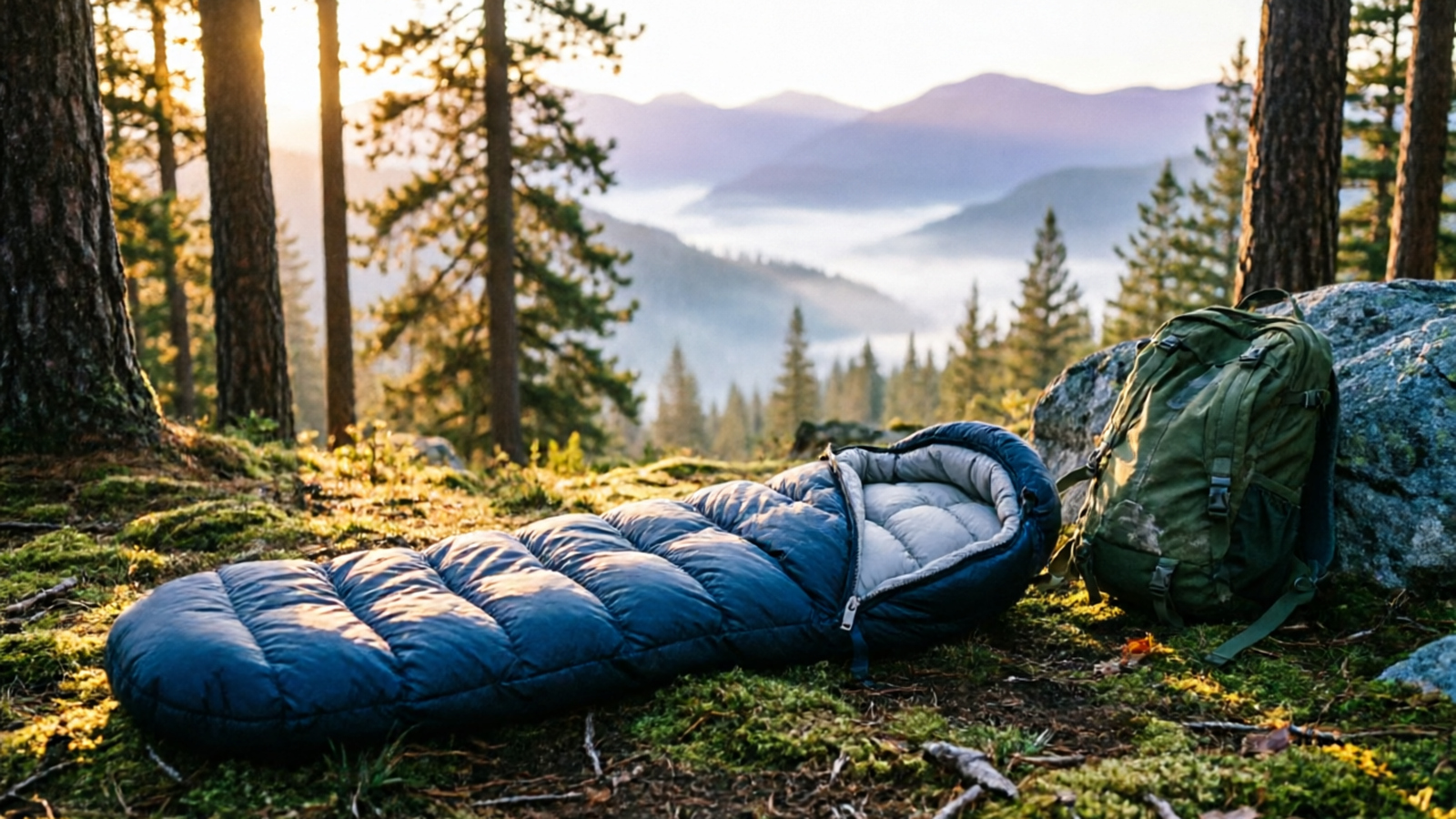
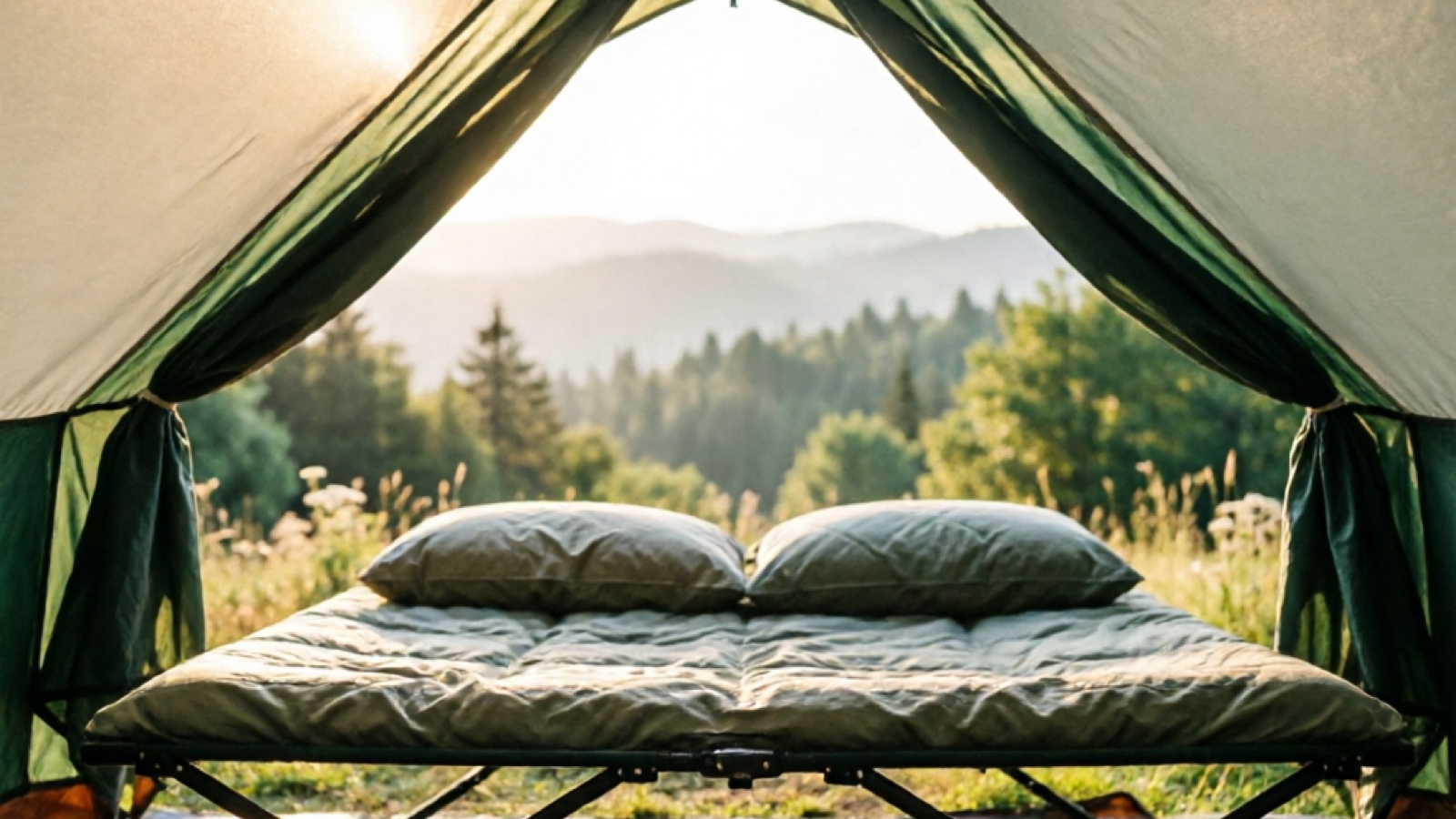
Even cabins that provide mattresses rarely supply clean, high-quality linens. Pack your own sleeping bag or sheets and a blanket as a guaranteed comfort layer.
For cold-weather cabins without heating, a temperature-rated sleeping bag is essential — cabin walls block wind but provide almost zero insulation.
Our Pick: Coleman Heritage Big & Tall Sleeping Bag — rated for 10°F with soft flannel lining and generous sizing that fits up to 6’6”. Perfect for cabin stays where portability is not a concern.
Pros: Warm 10°F rating, generous sizing for tall campers, soft flannel lining. Cons: Heavy and bulky for transport, some complaints about zipper and lining durability.
Bring a pillow — cabins rarely provide them. A camping pillow that compresses small works well for transport.
Lighting
Cabins may or may not have electricity. Even electrified cabins experience power outages. Always carry backup lighting.
Our Pick: XTAUTO Collapsible Portable LED Camping Lantern — 4-pack set with solar, USB, and hand-crank charging. 500 lumen max brightness, collapsible design, IPX4 waterproof, and USB power bank function. One lantern per room ensures full cabin coverage during outages.
Pros: 4-pack covers multiple rooms, three charging methods, power bank output. Cons: Battery life around 5 hours on high, durability inconsistent across units.
For larger setups, add a camping lantern for the main living area.
Heating (for Cold-Weather Cabin Stays)
⚠️ Critical Safety Warning: Only use electric heaters in cabins with verified electrical wiring. Overloaded circuits can be a fire hazard.
Check the outlet before plugging in. Never leave a heater running while sleeping or away from the cabin.
Our Pick: DREO Space Heater Portable Electric — 1500W PTC ceramic heating with digital thermostat, remote control, 12-hour timer, and five heating modes. Compact enough for cabin nightstands.
Pros: Fast PTC ceramic heating, remote control, 12-hour timer for overnight use, tip-over and overheat protection. Cons: ⚠️ Multiple safety complaints including plug melting and fire hazard reports — monitor closely during use, unplug when sleeping or leaving the cabin.
Treat those warnings seriously: monitor the unit during use, unplug it when sleeping or leaving the cabin, and verify the cabin outlet wiring before plugging in.
Cooking and Dining
Cabins with kitchens need less gear. Cabins without kitchens need everything.
Our Pick: Stansport Deluxe 24-Piece Enamel Tableware Set — complete 24-piece set with dishes, bowls, cups, and utensils. Blue enamel finish, dishwasher safe, classic camp aesthetic.
Pros: Complete 24-piece set, durable steel construction, classic camp look. Cons: Utensils reported as flimsy, some rust reports, lead warnings mentioned in reviews.
Enamel over steel is a genuine upgrade from paper plates for cabin cooking — the speckled finish survives years of camp use if you avoid chipping it on stone surfaces.
If the cabin has no stove, bring a camp stove and cooking fuel.
Cabin Camping Essentials Checklist
Always Bring (regardless of cabin type):
- Bedding: sleeping bag or sheets + blanket + pillow
- Lighting: flashlight + lantern + extra batteries
- Toiletries: soap, toothbrush, toilet paper, towel
- Food: meals, snacks, drinks, cooking oil, spices
- Fire: matches or lighter, fire starters
- First aid: bandages, antiseptic, pain reliever
- Navigation: trail map, compass, or downloaded offline maps
Bring if Cabin Lacks These Amenities:
- No kitchen → camp stove, cookware, utensils, cooler
- No water → water jugs, filtration, or bottled water
- No heat → portable heater (electric only), warm layers
- No electricity → power bank, headlamps, solar lantern
- No bathroom → toilet paper, hand sanitizer, wet wipes
Nice to Have:
- Board games or cards for cabin evenings
- Binoculars for wildlife viewing
- Hammock for between trees near the cabin
- Camp chairs for the fire ring area
- Camping blanket for porch sitting and evening sky viewing
Best Cabin Camping Tips
1. Call Ahead to Confirm Amenities
The single most important cabin camping tip. “Cabin” means different things at different campgrounds. Call or check the website to confirm: electricity, running water, heat source, kitchen access, and bathroom type.
2. Arrive Before Dark
Finding an unfamiliar cabin in the dark, unpacking by headlamp, and figuring out which switch operates which light is a miserable way to start a trip. Plan arrival for at least two hours before sunset. Walk the area, locate the fire ring, and check water sources while you can still see.
3. Secure All Food Immediately
Cabin walls stop wind but not mice, raccoons, squirrels, and in some areas, bears. Gaps under doors and holes in screens provide access.
Store all food in sealed containers — not open bags on the counter. Keep food in your locked car if the cabin lacks secure storage. See our camping safety tips for wildlife guidance.
4. Layer Your Bedding
Even cabins with electric heating cool significantly at night — cabin construction is rarely insulated to home standards.
Layer a sleeping bag over provided sheets, or use a camping blanket for extra warmth on cold nights.
5. Inspect the Fire Ring
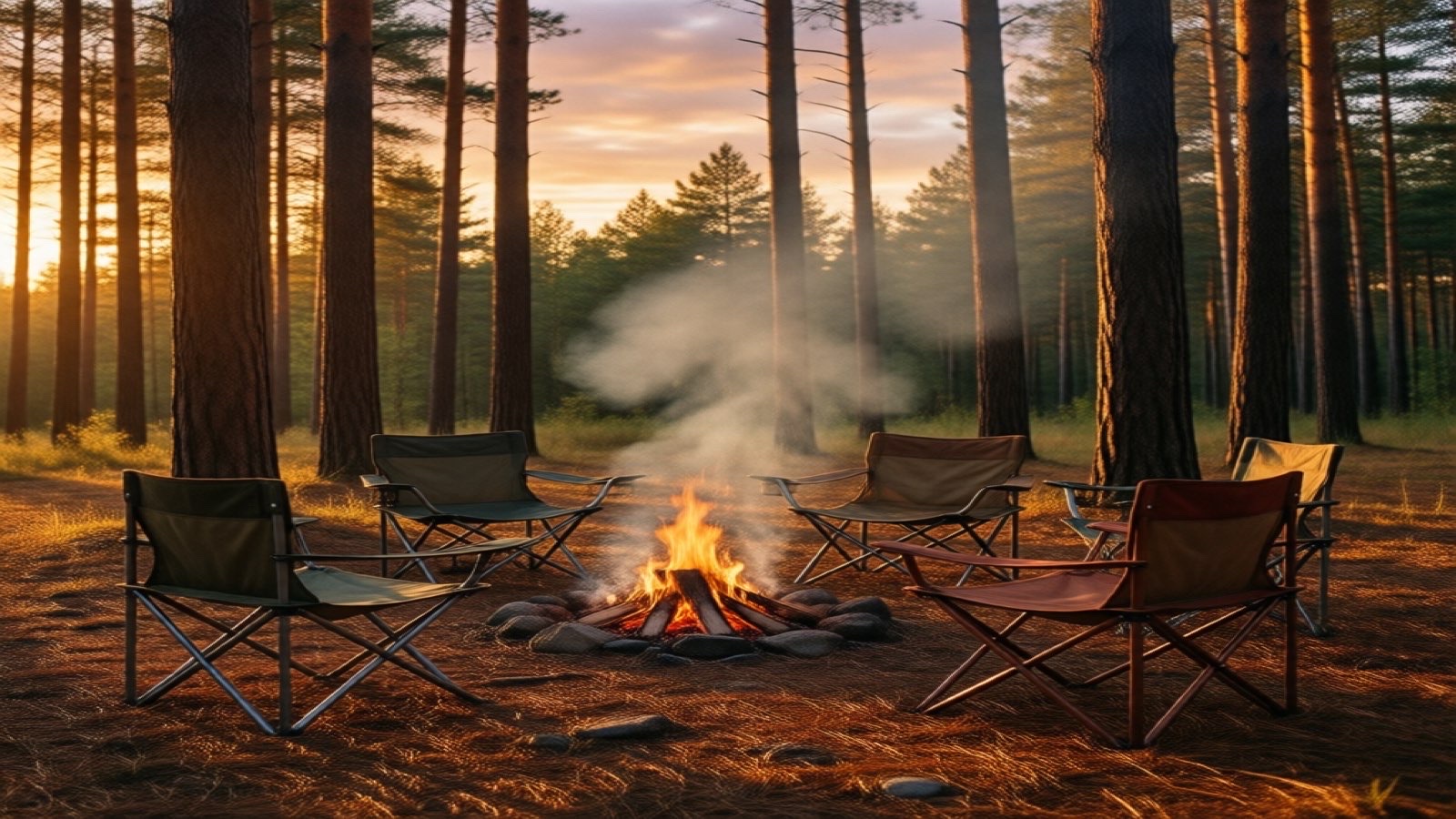
Most cabins include a fire ring outside. Check it on arrival: is the ring intact, is firewood provided or available nearby, and where is the nearest water source for extinguishing? Evening campfires for cooking, warmth, and atmosphere are the highlight of most cabin trips.
6. Leave No Trace — Even in a Cabin
Clean the cabin before departure. Wipe counters, sweep floors, take all trash, and leave the space as you found it. Many campgrounds charge cleaning fees for left-behind messes and deny future reservations to campers who leave cabins in poor condition.
Conclusion
Cabin camping removes the biggest barrier to outdoor trips — sleep comfort — while preserving everything people love about camping. You get a real bed, solid shelter, and protection from weather, without giving up fire rings, trail access, and the sound of nature outside your window.
For first-timers, start with a standard cabin at a state park — enough comfort to enjoy yourself, enough simplicity to feel like camping.
For experienced campers, backcountry cabins offer adventure with shelter. The key is knowing what your cabin provides before you arrive.
References
- REI Co-op — “What to Know Before You Go” — rei.com/learn
- National Park Service — “Cabin Rentals in National Parks” — nps.gov
- KOA — “Kabin Camping Guide” — koa.com
- Outside Online — “The Rise of Cabin Stays” — outsideonline.com
- 知乎 — “小木屋露营完全指南” — zhihu.com
- 什么值得买 — “露营小木屋预订攻略与经验” — smzdm.com
Frequently Asked Questions
What is cabin camping?
Cabin camping means staying in a cabin structure instead of a tent or RV. Cabins range from bare-bones rustic shelters with no electricity or running water to fully equipped luxury lodges with kitchens, bathrooms, and Wi-Fi. It sits between tent camping and glamping on the comfort spectrum — more shelter than a tent, less luxury than a resort. Cabin camping is popular in state parks, national forests, and private campgrounds across the US.
What should I pack for cabin camping?
Cabin camping requires less gear than tent camping but more than hotel stays. Essentials: bedding (sleeping bag or sheets and blankets), pillow, toiletries, towels, cooking supplies (if no kitchen), food and drinks, warm layers, flashlight or lantern, matches, insect repellent, sunscreen, first aid kit. If the cabin has no heating, pack a portable heater. See our camping packing list for the complete checklist.
Is cabin camping better than tent camping?
It depends on priorities. Cabins offer solid walls, a real roof, and protection from weather and wildlife. Tents are lighter, cheaper, and more immersive. Cabins work better for families with young children, older campers, and rainy-weather trips. Many campers start with cabins and graduate to tents as confidence grows.
Do I need a sleeping bag for cabin camping?
Many cabins provide mattresses or beds, but bedding quality varies. Some provide clean linens; others offer a bare mattress only. Always pack your own sleeping bag or sheets as a guaranteed comfort layer. For cold-weather cabins without heating, a sleeping bag rated for 10-30°F is essential — cabin walls block wind but provide almost zero insulation.
What are the best cabin camping tips?
Five essentials: call ahead to confirm amenities (power, water, heat, kitchen), arrive before dark, bring backup lighting for power outages, store all food in sealed containers (mice and raccoons enter cabins through gaps), and layer bedding — even heated cabins cool significantly at night.
How much does cabin camping cost?
Prices range from budget-friendly rustic park cabins to premium luxury lodges. State park cabins typically offer the best value. Book early for peak season — popular cabin campgrounds fill months in advance. Weeknight stays and off-season rates cost significantly less.
Can I bring a dog cabin camping?
Many cabin campgrounds allow pets, but policies vary by location. Some charge a pet fee, others restrict pets to specific units. Always check the pet policy before booking. Bring a leash, bowls, waste bags, and a dog bed. Keep dogs off cabin furniture and clean up before departure.