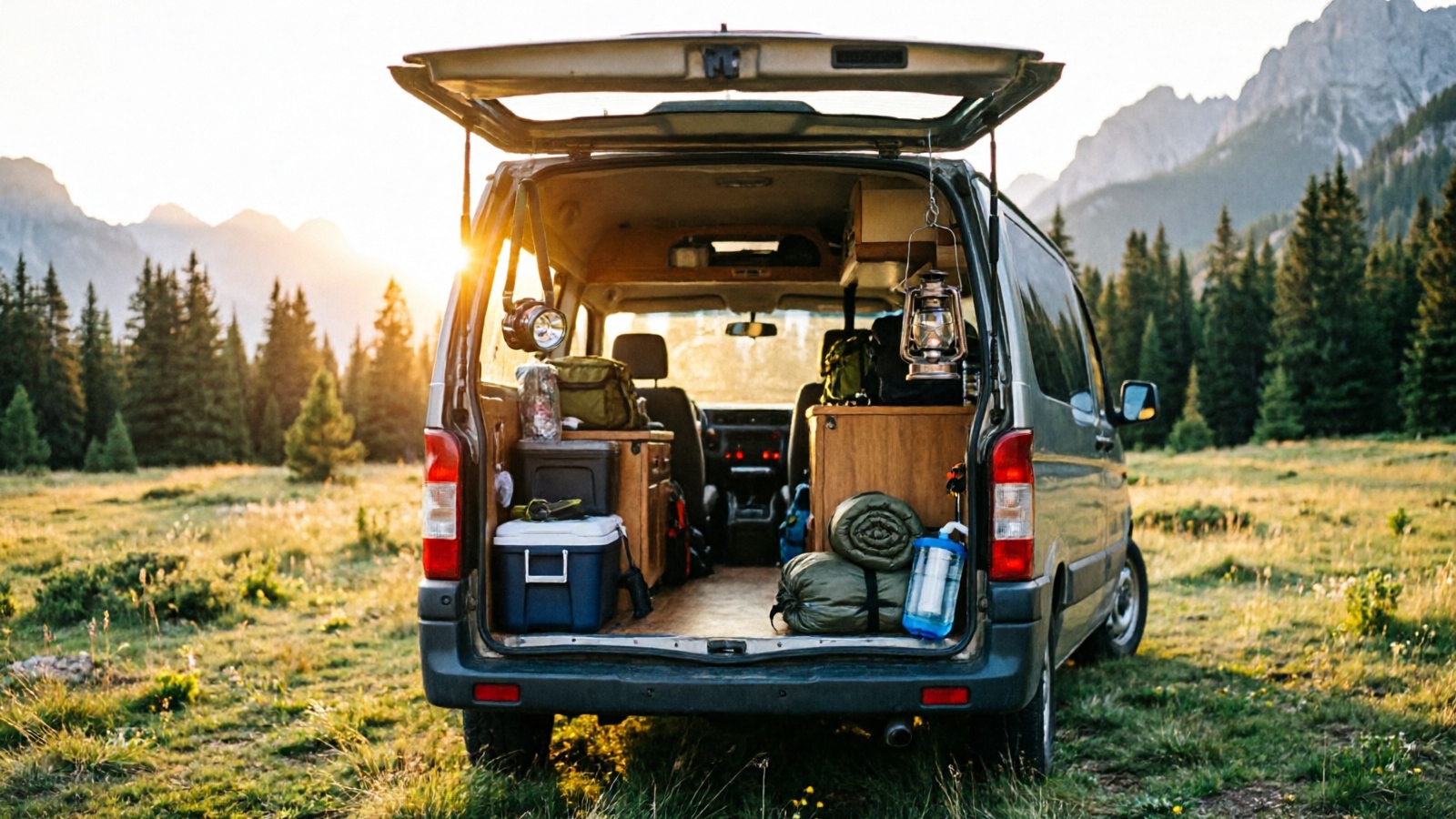
Van Camping Guide: 8 Best Gear Essentials & Tips (2026)
Van camping guide — 8 tested essentials: best headlamp, lantern, cooler, sleeping bag, fan, enamelware, and water filter for campervan life.
Products Reviewed
Vehicle camping occupies a sweet spot between the simplicity of car camping and the self-sufficiency of RV living. You sleep in your vehicle, cook outside or on a tailgate, and wake up in a new location every morning.
No campground fees, no reservations, no check-in times. A Google Trends score of 62.61 confirms surging interest in this lifestyle.
The van is your shelter, your transport, and your base camp all rolled into one vehicle. This review covers eight essential gear items — from lighting and cooling to sleep systems and water filtration — that transform a parked van into a functional campsite. For a broader gear checklist, see our camping packing list.
Quick Answer: Van Camping Gear Essentials
Best Overall: Etekcity 2-Pack LED Camping Lanterns — two lanterns for the price of one, one for the van interior and one for the campsite. USB rechargeable with 360° illumination and collapsible design. Doubles as an emergency flashlight with a built-in USB charging port.
Best for Water: LifeStraw Personal Water Filter — 2 ounces, filters 1,000 gallons, removes 99.9999% of bacteria. Drink from any stream or lake. Essential for off-grid trips where water sources are unpredictable.
Best for Cold Nights: Coleman North Rim 0°F Sleeping Bag — the only bag in this review rated for sub-zero temperatures. A 0°F bag means you sleep warm even when the van interior drops below freezing.
Comparison Table: Van Camping Gear at a Glance
| Product | Weight | Best For |
|---|---|---|
| LHKNL Headlamp 2-Pack | 2.8 oz each | Hands-free lighting for setup and camp tasks |
| Etekcity 2-Pack LED Lanterns | 1.1 lb each | Van interior and campsite ambient lighting |
| Coleman 52-Quart Wheeled Cooler | 10 lbs | Food and drink cold storage on multi-day trips |
| Coleman North Rim 0°F Sleeping Bag | 7.5 lbs | Cold-weather sleeping, rated to 0°F |
| Klymit Static V Sleeping Pad | 18.1 oz | Floor insulation on van bed platform |
| VOSFEEL 20000mAh Camping Fan | 2.2 lbs | Van ventilation and cooling in warm weather |
| Stansport 24-Piece Enamel Set | 5.4 lbs | Complete dining set for van camp kitchen |
| LifeStraw Personal Water Filter | 2 oz | Emergency water purification from any source |
LHKNL Ultra-Bright Rechargeable Headlamp 2-Pack — Best Value Lighting for Van Camping
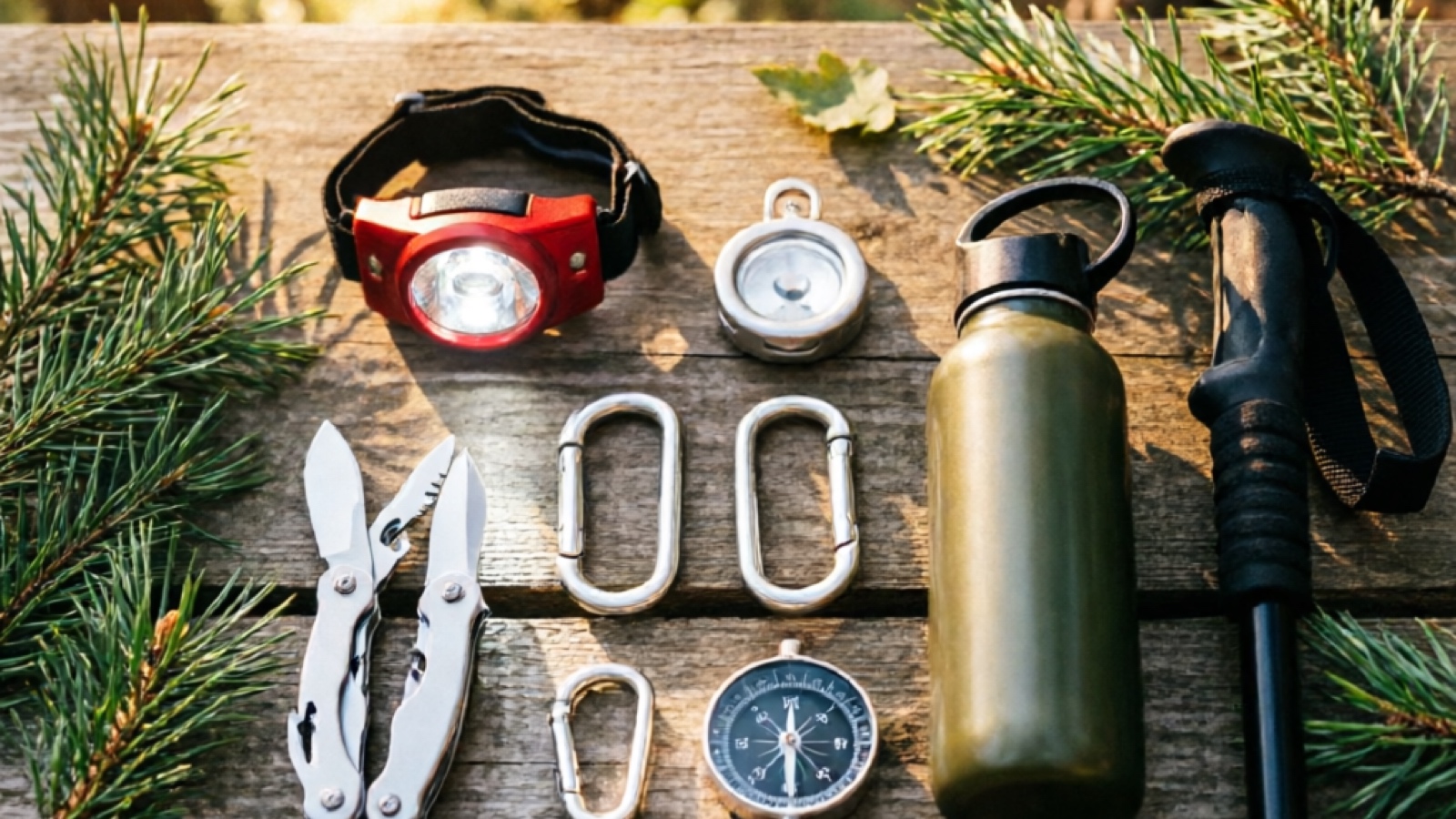
A headlamp is the single most-used light source in vehicle-based camping — cooking after dark, finding gear in the van at 2 AM, setting up camp, and bathroom trips. The LHKNL 2-Pack covers two people for the price of one unit. USB-C rechargeability eliminates disposable batteries, and the white plus red light modes cover general use and night-vision-preserving tasks.
The IPX4 water resistance handles rain and splash without issue.
Seven lighting modes let you dial in the right brightness for reading in the van or navigating a dark trail, and the red-light mode preserves night vision. See our full headlamp review for alternatives.
What we like: 2-pack covers two people at a budget-friendly price. USB-C rechargeable with no disposable batteries needed. Seven lighting modes including red light for night vision. IPX4 water-resistant for rain and splash.
What could be better: Battery degradation is a known issue — some units stop holding a charge after extended use, and a headlamp that dims without warning is a genuine safety matter on a dark trail. The headband stretches out over time.
For hands-free lighting inside and outside the van, Check Price on Amazon →
Etekcity 2-Pack LED Camping Lanterns — Best Van Camping Interior Lighting
Two lanterns is the right number for van camping for a van setup — one inside for interior lighting, one outside for the campsite or picnic table. The Etekcity 2-Pack delivers bright 360° illumination that fills a van interior effectively. The collapsible design packs flat for compact van storage when not in use.
The dual power system — USB rechargeable plus battery backup — means you are never without light.
This redundancy matters when you are miles from the nearest outlet or off-grid for days at a time. A built-in USB port can charge your phone in an emergency, and the lanterns pack small enough to stash in a door pocket.
What we like: 2-pack covers van interior and campsite simultaneously. USB rechargeable with battery backup power option. Collapsible design packs flat for compact van storage. Built-in USB charging port for devices.
What could be better: Battery life falls short of advertised claims — expect dimming after 3-4 hours max and a recharge you won’t want to wait for. One unit may arrive non-functional, and the included charging cable does not fit properly in some cases.
For the highest-rated lighting option in this lineup, Check Price on Amazon →
Coleman 52-Quart Portable Wheeled Cooler — Best Van Camping Food Storage
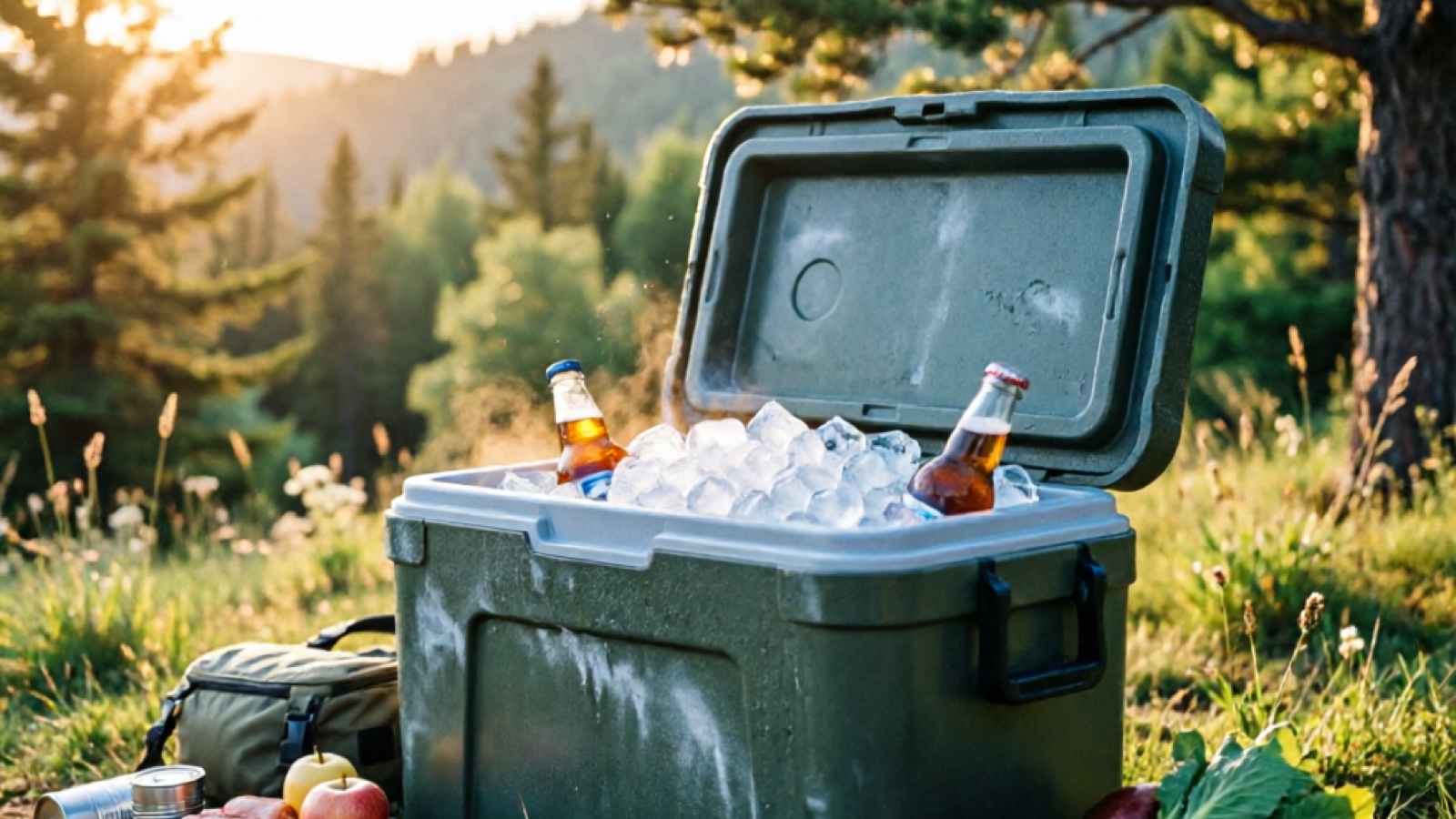
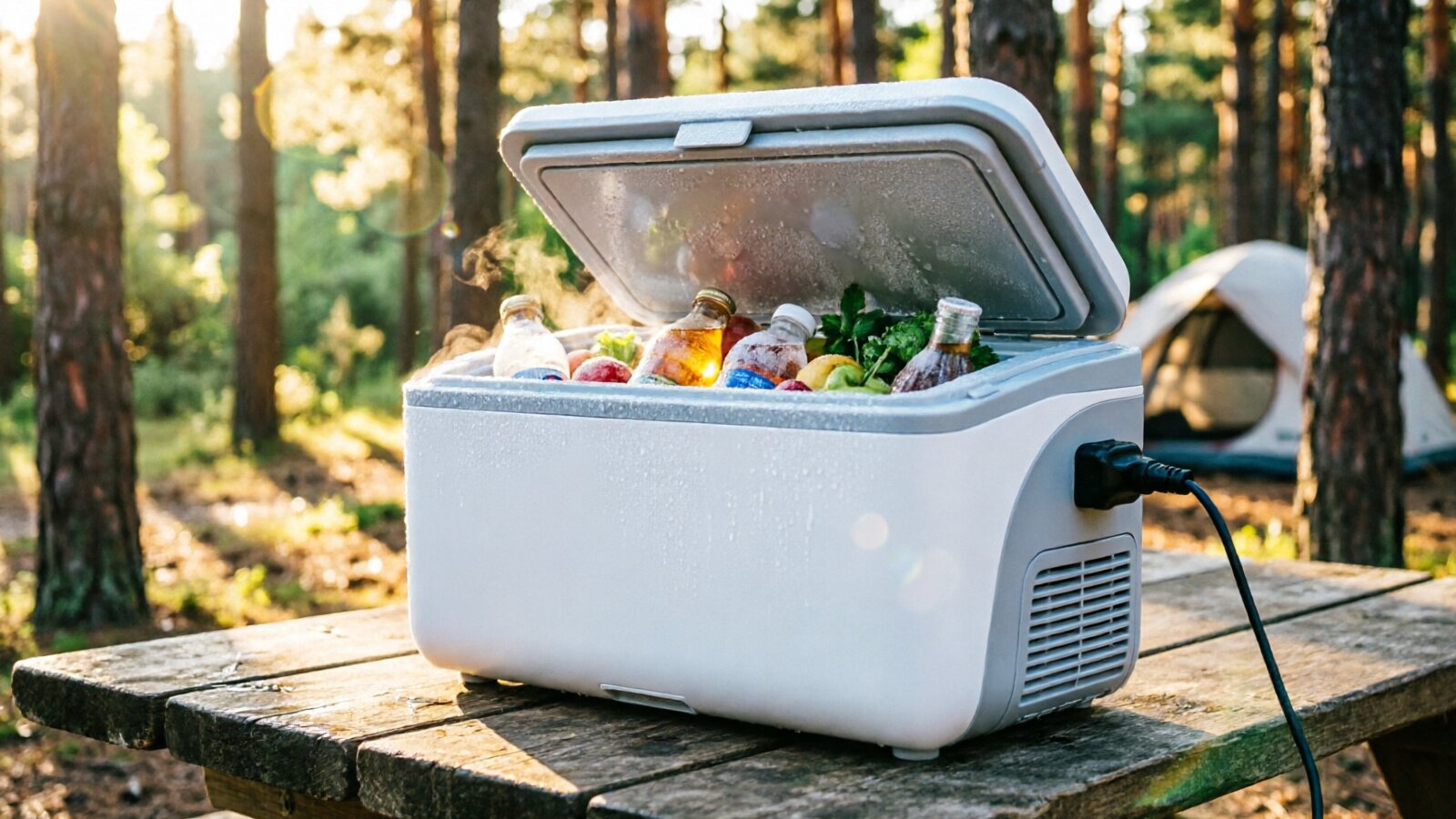
Without a built-in fridge, a cooler is the van camping food storage solution the van camper’s cold storage solution. The Coleman 52-Quart holds up to 82 cans with an insulated lid and leak-resistant drain — enough capacity for three to four days of food for two people.
The wheeled design is practical for van life: roll it from the van to the campsite without carrying. It doubles as extra seating around camp — a real advantage when van living means limited furniture options.
The interior swallows a multi-day food load and wipes clean without fuss. See our cooler review for rotomolded options with better ice retention.
What we like: 52-quart capacity holds 82 cans for multi-day trips. Wheeled design rolls easily from van to campsite. Leak-resistant drain and insulated lid. Doubles as extra seating around camp.
What could be better: Ice retention falls well short of the marketing — budget on a bag of ice melting in about a day in warm shade. The lid warps in sun, breaking the seal — a flaw that affects multiple Coleman models.
For reliable cold storage on van trips, Check Price on Amazon →
Coleman North Rim 0°F Cold Weather Sleeping Bag — Best for Van Camping in Cold Weather
Van interiors drop to outside temperature within hours of the engine turning off — metal and glass have almost zero insulation. A proper sleeping bag is the difference between sleeping and shivering through the night.
The Coleman North Rim is rated to 0°F, the coldest-rated bag in this review. Most budget sleeping bags bottom out at 30-40°F — the North Rim fills a real gap for three-season dwellers who encounter cold snaps.
Adjustable ventilation lets you regulate temperature on warmer nights. See our sleeping bag review and our winter sleeping bag review for alternatives.
What we like: 0°F temperature rating handles sub-freezing van interiors. Adjustable ventilation for temperature regulation on milder nights. Snag-free zipper and roll-control system for easy packing.
What could be better: The temperature rating runs optimistic — treat it as a 45°F bag rather than its stated limit, or you will be cold. The bag does not pack down small, and the mummy fit feels claustrophobic for some users. Larger campers report the Big and Tall sizing still does not zip fully.
For cold-weather sleeping in a van, Check Price on Amazon →
Klymit Static V Inflatable Sleeping Pad — Best Van Camping Sleep Comfort
The van floor — metal, fiberglass, or plywood — is a cold, hard sleep surface that drains body heat through conductive contact. A sleeping pad provides insulation and cushioning. The Klymit Static V weighs only 18.1 ounces and packs to 3 by 8 inches.
The V-chamber design prevents rolling during sleep, and body-mapping technology supports key pressure points. At R-value 1.3 it handles three-season temperatures but will leave you cold on freezing nights.
Inflates in 15 to 20 breaths with no pump needed. For winter trips, pair this with a higher-R-value pad or add a foam pad underneath. See our sleeping pad review for warmer options.
What we like: 18.1 ounces — lightweight and packable for van storage. V-chamber anti-roll design keeps you centered on the pad. Inflates by mouth in 15-20 breaths with no pump required.
What could be better: Valve reliability is the most reported issue — the small valve parts are fragile and a failed valve means a flat pad by morning. R-value 1.3 is insufficient for cold weather, and the 20-inch width feels narrow for larger campers.
For floor insulation in a van bed platform, Check Price on Amazon →
VOSFEEL 20000mAh Battery Powered Camping Fan — Best Van Camping Ventilation
Air circulation is the number one comfort factor in van camping — stale air builds up fast comfort challenge in van life. Parked vans become ovens in summer — even with windows cracked, stagnant air builds up fast. The VOSFEEL fan runs up to 40 hours on low speed with 12 adjustable settings and an oscillating function for whole-van coverage.
The 20000mAh battery also serves as a power bank for USB device charging. A built-in LED lantern adds utility for multi-use around camp.
Battery life is the strong suit — a full charge covers a weekend of intermittent use and recharges from the van’s 12V outlet. For off-grid power, pair with a portable power station or solar charger. See our camping fan review for alternatives.
What we like: 20000mAh battery with up to 40-hour runtime on low. Built-in LED lantern doubles as camp lighting. Oscillating function provides whole-van air circulation. USB-C charging and phone power bank functionality.
What could be better: Battery longevity is inconsistent across units — some lose charge-holding capacity within weeks, so test the full charge cycle inside the return window. Charging takes up to 24 hours, and some units arrive with the fan assembly already broken.
For van ventilation during warm weather, Check Price on Amazon →
Stansport Deluxe 24-Piece Enamel Tableware Set — Best Van Camping Kitchen Set
Mobile cooking requires durable, nesting dishware that stacks compactly in storage. The Stansport 24-Piece set includes plates, bowls, cups, and utensils for four people in a classic speckled enamel design.
The steel construction withstands campfire cooking and van-life abuse. The nesting design stacks into a compact bundle for van cabinet storage. The classic speckled enamel aesthetic looks great in camp photos too.
The enamelware shrugs off being tossed in the back of the truck without chipping, and cleanup takes seconds. See our camping dishes review for alternatives. Pair with a camping stove for outdoor cooking.
What we like: 24-piece complete set covers four people. Durable steel construction handles campfire and van use. Nesting design stacks into a compact storage bundle. Dishwasher safe for easy cleanup.
What could be better: Lead-content warnings on the packaging have concerned some buyers — verify the label on arrival and decide accordingly. Rust develops where water gets under plate edges, and the included utensils are thin and flimsy.
For a complete dining set that stores compactly, Check Price on Amazon →
LifeStraw Personal Water Filter — Best Van Camping Emergency Water
In van camping, your water source is whatever you can find along the way — streams, lakes, campground spigots, and gas station sinks. The LifeStraw removes 99.9999% of bacteria and 99.9% of parasites, filters up to 1,000 gallons, weighs 2 ounces, and requires no batteries.
Drink directly from any freshwater source without pumps or chemical treatment.
The hollow-fiber membrane technology is the same trusted filtration method used in municipal water treatment systems worldwide. For group filtration or filling containers, see our water filter review for pump-style options. Carry a dry bag to protect the LifeStraw and other electronics from water damage.
What we like: Removes 99.9999% of bacteria and 99.9% of parasites. Filters 1,000 gallons over its lifespan. Weighs only 2 ounces — negligible in any pack. No batteries or pumping required, EPA-tested and lab certified.
What could be better: The single-straw design is inefficient for groups or filling containers — one pack filters for one person only, despite what the packaging photos imply. It does not remove dissolved chemicals or heavy metals, and requires significant suction effort.
For safe drinking water from any freshwater source, Check Price on Amazon →
How to Choose the Best Van Camping Gear
Van Size Determines Van Camping Gear Choices
Van camping in a converted Sprinter has space for full-size coolers, large sleeping bags, and multiple storage systems. A minivan or small cargo van has limited space — every item must justify its volume.
Measure your sleeping area before choosing a sleeping bag. The Coleman North Rim is bulky and may not fit in a compact van build. Consider multi-use items: a lantern that also charges phones, a fan with a built-in light, a cooler that doubles as a seat.
Power Needs
Off-grid power management. Calculate your needs: fan runtime per night, phone charging, headlamp charging, lantern charging. A 20000mAh fan battery covers ventilation and device charging for most trips.
For heavier power needs — laptop charging, 12V appliances — add a portable power station.
Solar chargers recharge power stations during daylight hours. Match your system to actual consumption — most campers overestimate their power needs in planning. Start small and expand based on real-world usage data.
Sleep System Priority
The van floor is the coldest sleep surface you will encounter — metal conducts heat away from your body faster than any ground surface. Your sleep system matters more in a van than in a tent.
Pair a cold-rated sleeping bag with an insulated sleeping pad for effective warmth. Without a pad, even a 0°F bag loses effectiveness on a cold van floor. Add a camping pillow for neck support.
Cooking Setup
Van cooking ranges from simple cold meals to elaborate two-burner setups. The Stansport enamel set covers basic dining needs.
Cook outside whenever possible — cooking inside a van generates moisture, odors, and carbon monoxide risk. Propane stoves should never be used in an unventilated enclosed space.
Many van campers build an outdoor kitchen on the tailgate or side door. A camping stove with fuel canisters stores easily in a van cabinet.
Safety and Legality
Safety is critical in any vehicle-based setup. Carbon monoxide from cooking or engine idling is the number one fatal risk — never cook inside a closed van, never idle the engine for heat or cooling.
Carry a first aid kit and a fire extinguisher. Use window covers for privacy and security.
Lock doors at night, even in remote areas. Research local parking regulations before arrival — stealth camping laws vary significantly by municipality.
Tell someone your planned route and check-in schedule. For comprehensive safety guidance, see our camping safety tips.
Conclusion: Why Van Camping Works
Van camping works because it strips the outdoor experience down to its core appeal: mobility, simplicity, and waking up somewhere new. The eight items in this review cover the essentials — lighting, cooling, sleep, cooking, and water — without filling your van with unnecessary gear.
Start your van camping setup with the Etekcity lanterns for interior and exterior light, the Coleman cooler for food storage, and a proper sleep system for comfort.
Add the VOSFEEL fan for summer trips and the LifeStraw for off-grid water security. Every item here earns its storage space. For broader trip planning, see our car camping guide and RV camping guide for related vehicle-based camping setups.
References
English Sources
- Vanlife Customs — Van Camping Beginner’s Guide: Comprehensive resource covering van conversion basics, essential gear, and trip planning for first-time vehicle campers.
- Roadtrippers — Best Road Trip Routes for Van Life: Curated route guides with camping stops, dispersed camping locations, and van-friendly campgrounds across the US.
- REI — Van Life and Vehicle Camping Guide: Expert guide covering vehicle-based camping setups, power systems, and gear recommendations from REI’s outdoor specialists.
Chinese Sources (中文来源)
- 知乎 — Van Camping 露营装备与改装经验: Detailed van camping gear discussions, conversion tips, and off-grid living strategies from Chinese-speaking van lifers.
- 什么值得买 — 房车露营必备好物推荐: User-generated reviews covering van camping essentials, portable power solutions, and compact cookware for vehicle camping.
- 小红书 — Van Life 改装与装备清单: Visual guides showing van conversions, gear layouts, and camping setups from van lifers with real-trip photos.
Van Camping Frequently Asked Questions
What is van living? Van camping means sleeping and living in a converted van — Van camping ranges from a basic cargo van with a mattress to a fully built campervan with solar panels and kitchen. It sits between car camping and RV camping. No hookups required.
What do I need for van life? Eight essentials: headlamp, lantern, cooler, sleeping bag, sleeping pad, fan, cookware, and water filter. For a complete checklist, see our camping packing list.
Is van life legal? Dispersed camping is legal on BLM and national forest land with a 14-day limit in most states. City ordinances vary on overnight parking. Check local regulations before arrival.
Van life vs RV camping? Vans are smaller with no hookups, offering more freedom but less comfort. RVs have full amenities including plumbing and electrical systems but require campgrounds and wide pull-through sites.
How do you stay cool in a van? Park in shade, crack windows for cross-ventilation, use reflective window covers, and run a battery-powered fan. Van camping Portable power stations run fans without draining the vehicle battery.
How do you stay warm in a van in winter? A 0°F sleeping bag paired with an insulated sleeping pad is essential. Add thermal window covers and reflectix panels. Never idle the engine for heat — carbon monoxide is fatal.
Can you live in a van full time? Yes, with planning. Daily logistics include water refills, waste disposal, shower access, mail, and off-grid power via solar chargers. Budget for fuel, insurance, and maintenance.