Tent Camping Guide: Essential Gear and Tips for Beginners
Tent camping guide: compare 8 top-rated tents, tarps, headlamps, sleeping pads & water filters. Beginner tips included.
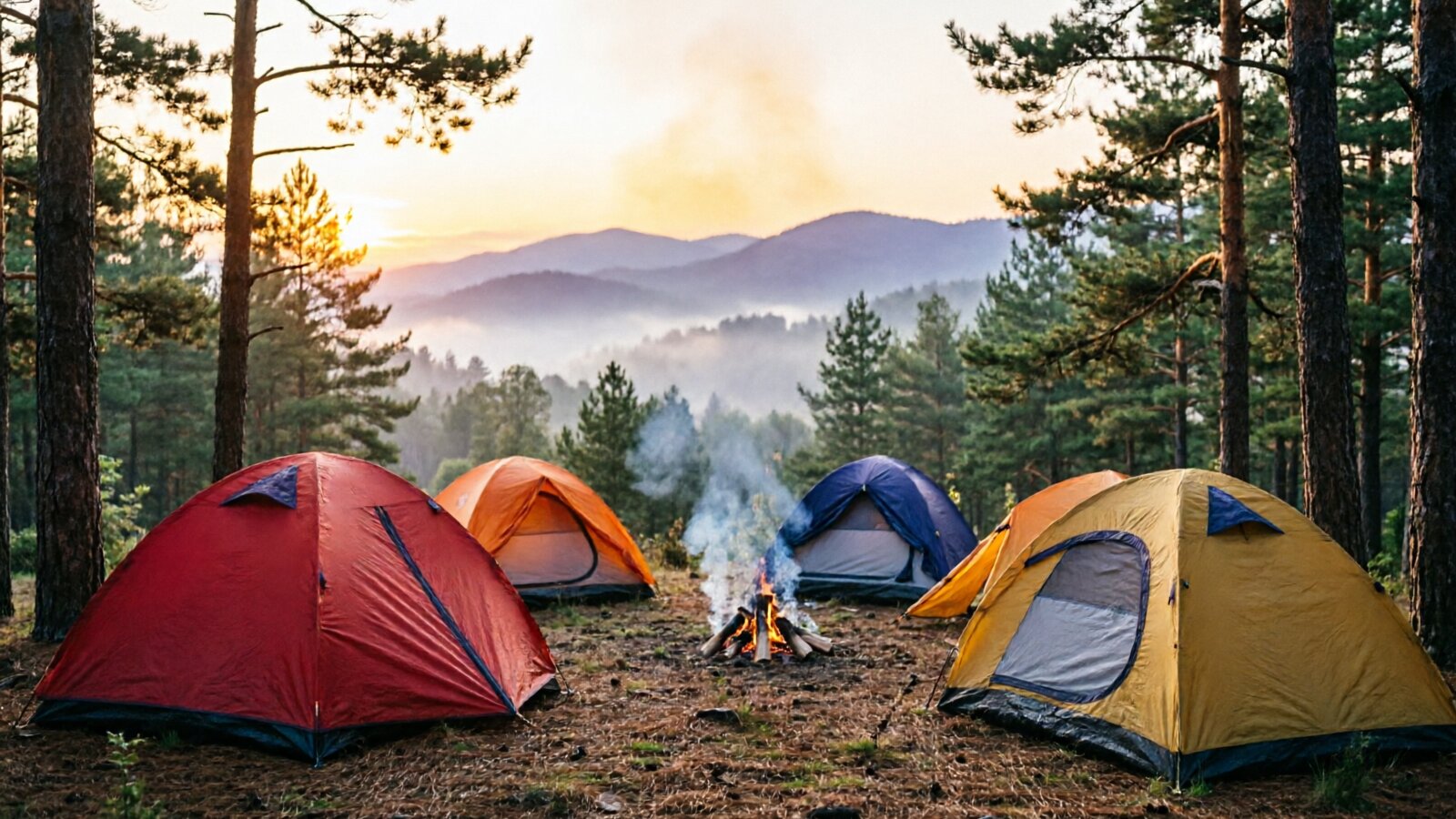
Tent camping is the purest form of outdoor adventure — pitch a shelter, build a campfire, sleep under the stars, wake up to birdsong. Whether it’s your first time tent camping or your fiftieth, the right gear makes all the difference.
It is also the most accessible way to experience the outdoors — no boat needed, no special skills required, and a basic tent camping setup costs less than a weekend at a hotel.
This tent camping guide covers eight essential products across four categories: tents, shelter protection, lighting, and comfort gear. For a broader overview, see our camping guide for beginners.
Comparison Table: Best Gear for Tent Camping
| Product | Type | Best For |
|---|---|---|
| unp Lightweight Portable Dome Tent | Budget Dome | Beginners on a budget |
| Forceatt Waterproof Windproof Tent | Ultralight | Lightweight backpacking |
| Clostnature Lightweight Backpacking Tent | Backpacking | Versatile camping trips |
| TETON Sports Vista Quick Tent | Premium Dome | Family car camping |
| Amazon Basics Waterproof Camping Tarp | Tarp | Ground protection |
| LHKNL LED Headlamp 2-Pack | Headlamp | Hands-free lighting |
| Klymit Static V Sleeping Pad | Sleeping Pad | Overnight comfort |
| LifeStraw Personal Water Filter | Water Filter | Safe drinking water |
Best Budget Option: unp Lightweight Portable Dome Tent
The unp dome tent is the cheapest viable entry point for tent camping. If you are new to tent camping and want to keep costs low while still getting a functional shelter, this is it. It features a quick-assembly design, 2000mm PU waterproof rating, mesh ventilation windows, and a rainfly. Setup is straightforward enough for a first-timer to handle solo.
What we like: easy popup assembly, 2000mm waterproof rating, lightweight, mesh ventilation, budget-friendly price.
What could be better: mesh durability is the consistent complaint — inspect the mesh and zipper on arrival, and expect to re-check floor wear after a few seasons. Pole quality is a second weak point. Tight fit for two adults with gear.
Best for first-time campers and casual weekend trips at lake camping sites. For more tent options, see our best camping tents review.
Best Ultralight: Forceatt Waterproof Windproof Tent
The Forceatt is a double-layer ultralight designed for backpackers who count every ounce during tent camping trips. It features full rainfly coverage, storage pockets, and stakes included. At 5.5 pounds it splits well between two hikers.
What we like: double-layer construction, full rainfly, storage pockets, stakes included.
What could be better: quality control is inconsistent — missing instructions, snagging zippers that can jump the track, and rain leakage are the reported weak points, so pitch it in the yard once before relying on it. Limited interior space and single door design.
Best for backpackers and solo campers. See our best camping tents for lighter alternatives.
Most Versatile: Clostnature Lightweight Backpacking Tent
The Clostnature offers freestanding design with D-style doors, a vestibule storage area, and quick 5-minute setup in sizes from 1 to 4 person — making it a solid tent camping companion for almost any trip type.
What we like: freestanding design, D-style doors, vestibule storage, multiple sizes, quick 5-minute setup.
What could be better: chemical smell is a major complaint on fresh units — air it out for a couple of days before first use, and seam-seal the rainfly as cheap insurance. Heavier than dedicated 2-person ultralight tents.
Best for campers who want one tent for solo and group trips. See our best backpacking tents for dedicated ultralight options.
Best for Families: TETON Sports Vista Quick Tent
The TETON Vista is a premium 4-person dome with quick-clip setup, factory-sealed seams, full-coverage rainfly, heavy-duty zippers, and included gear loft. It is the most substantial tent camping shelter on this list.
What we like: spacious 4-person interior, quick clip setup, factory-sealed seams, heavy-duty zippers, gear loft included.
What could be better: the quick-pitch mechanism is a weak point — test the locking mechanism as soon as it arrives, while a return is still easy. Too heavy for backcountry camping but ideal for car camping.
Best for families and groups wanting reliable car-camping shelter.
Tent camping accessories can make or break your trip — here are four essentials that cost under $50 each.
Amazon Basics Waterproof Camping Tarp — Ground Protection
A tarp under your tent is cheap insurance against ground moisture, sharp rocks, and floor abrasion — critical for any tent camping setup. The Amazon Basics tarp at 9.5 x 11.5 feet provides coverage for most 2-4 person tents.
What we like: 9.5x11.5ft coverage, polyethylene waterproof, corner grommets, lightweight, affordable.
What could be better: thin material rips easily — it’s a light-duty ground cover, not a work tarp, so clear sharp debris before laying it out.
See our best camping tarps for reinforced alternatives.
LHKNL LED Headlamp 2-Pack — Hands-Free Lighting
Headlamps beat flashlights for tent camping because they keep your hands free for tent setup, cooking, and navigating trails at dusk. The LHKNL provides USB-C rechargeability, white and red light modes, and IPX4 waterproofing.
What we like: 2-pack value, USB-C charging, white plus red modes, IPX4 waterproof, adjustable 45-degree beam.
What could be better: battery degradation over time — rechargeable lantern cells fade with regular seasonal use, so manage expectations at this price.
See our best camping headlamps for alternatives.
Klymit Static V Sleeping Pad — Overnight Comfort
A sleeping pad insulates you from cold ground — which can sap body heat faster than cold air, especially during tent camping in cooler months. The Klymit Static V packs to 3x8 inches, weighs 18.6 ounces, and delivers R-value 4.5 for three-season use.
What we like: R-value 4.5, ultralight 18.6oz, packs to 3x8in, V-chamber anti-roll design, inflates in 10-15 breaths.
What could be better: valve reliability is the main complaint — press-test the valve at home before the first trip. Narrow 20-inch width is tight for larger campers. See our best camping sleeping pads for more options.
LifeStraw Personal Water Filter — Safe Drinking Water
At remote tent camping sites with no running water, you need to drink from streams, lakes, or springs. The LifeStraw removes 99.99% of bacteria and 99.9% of parasites, filters up to 1,000 gallons, and weighs only 2 ounces.
What we like: removes 99.99% bacteria and 99.9% parasites, 1,000-gallon lifespan, ultralight 2oz, no batteries needed.
What could be better: single straw design is inefficient for groups — one pack includes exactly one straw, so each group member needs their own. Does not remove dissolved chemicals. See our best camping water filters for group alternatives.
How to Choose the Right Tent
Choosing the right tent is the most important decision for tent camping comfort and safety.
Always size up. A 2-person tent fits two people with zero extra space. For two adults with gear, buy a 3-person or 4-person tent. The extra room stores backpacks, shoes, and personal items without sleeping on top of them.
Check the waterproof rating. Minimum 1500mm hydrostatic head for summer camping. Look for 2000mm+ for reliable rain protection. A full-coverage rainfly is non-negotiable — partial rainflies protect the roof but leave sidewalls exposed.
Match tent to trip type. For car camping, weight barely matters — prioritize space and comfort. For tent camping trips involving long hikes, every pound matters — prioritize weight and packability.
Ventilation prevents condensation. Mesh panels on doors and windows allow airflow, which reduces interior condensation in warm or humid conditions. Poor ventilation means waking up to a wet tent interior regardless of weather outside.
These tent camping tips will help first-timers avoid common mistakes and enjoy the outdoors more.
Site Selection
Choose flat, level ground away from low spots that collect rainwater. Avoid pitching directly under dead branches or leaning trees. Good site selection is one of the most overlooked tent camping skills.
Camp at least 200 feet from lakes and streams for safety and Leave No Trace compliance. For coastal setups, see our beach camping guide.
Setup Essentials
Stake out the rainfly first in windy conditions — it catches the most wind and stabilizes the entire tent. Use all provided guylines, even in calm weather. Drive stakes at a 45-degree angle away from the tent for maximum holding power.
Weather Preparedness
Check the forecast before departure, but plan for unexpected weather regardless.
Pack rain gear, a camping tarp for overhead shelter, and extra layers. A camping blanket doubles as emergency insulation. For cold-weather trips, see our winter camping guide.
Leave No Trace
Pack out all trash — including biodegradable waste like fruit peels. Responsible tent camping means leaving your campsite cleaner than you found it. Use established fire rings or a camping stove instead of building new fire scars. Stay on established trails and camp at least 200 feet from water sources.
Conclusion
Tent camping does not require expensive gear or years of experience. A budget tent like the unp dome, a tarp underneath, and a headlamp are enough for a comfortable first tent camping trip.
Upgrade to the Forceatt or TETON Vista as your frequency and ambitions grow. Size up your tent, always waterproof before your first trip, and choose your campsite carefully. Pack up, drive out, pitch your tent, and start making memories.
For family-specific guidance, see our camping with kids guide.
References
- REI Co-op — “Tent Buying Guide: How to Choose a Tent” — rei.com/learn/expert-advice/tent-buying-guide
- National Park Service — “Backcountry Camping Basics” — nps.gov/articles/backcountry-camping-basics
- Outdoor Foundation — “2024 Outdoor Participation Trends Report” — outdoorindustry.org
- 8264户外资料网 — “帐篷选购指南:新手必读” — 8264.com/gear/tent-guide
- 穷游网 — “露营装备清单与推荐” — qyer.com/gear/camping-checklist
- 马蜂窝 — “帐篷搭建技巧详解” — mafengwo.cn/gonglve/tent-setup-tips
Frequently Asked Questions
What size tent do I need for 2 people?
For two adults with gear, get a 3-person or 4-person tent. Tent capacities are based on tight sleeping arrangements without accounting for backpacks, shoes, and personal items. Sizing up by one person gives you room to store gear inside and move comfortably.
Are expensive tents worth it for beginners?
Not necessarily. Budget tents work fine for casual car camping and summer trips. Premium tents justify their price for frequent campers who need durability in harsh weather, ultralight packing for backpacking, or extra space for families.
How do I waterproof my tent before a camping trip?
Most new tents come factory-sealed, but test by spraying with a hose at home first. If water beads off, you are set. If it soaks through, apply seam sealer to all stitched seams and waterproofing spray on the rainfly. Reapply sealant once per season.
Can I use a camping tent in the rain?
Yes, as long as it has a full-coverage rainfly and a bathtub-style floor with raised seams. Always pitch on slightly elevated ground to avoid pooling water underneath. Use a tarp underneath as an extra moisture barrier and stake out all guylines for stability in wind.
What is the difference between 3-season and 4-season tents?
Three-season tents handle spring, summer, and fall conditions with good ventilation and moderate weather resistance. Four-season tents have heavier construction, fewer mesh panels, and stronger poles to handle snow loads and high winds. Most beginners only need a 3-season tent.
How heavy should a backpacking tent be?
A good backpacking tent weighs 2-5 pounds per person. For solo trips, aim under 3 pounds total. For two people sharing, 4-6 pounds split between two packs is comfortable. Anything over 6 pounds is better suited for car camping.
Do I need a footprint or tarp under my tent?
A footprint or tarp is highly recommended. It protects the tent floor from abrasion, punctures, and ground moisture. Use a tarp slightly smaller than the tent floor so it does not extend beyond the edges, which would collect rainwater and funnel it underneath.