Fall Camping Guide: Best Spots, Gear & Tips (2026)
Complete fall camping guide — best US spots for foliage, cold-weather gear checklist, layering tips, packing essentials, and seasonal activities.
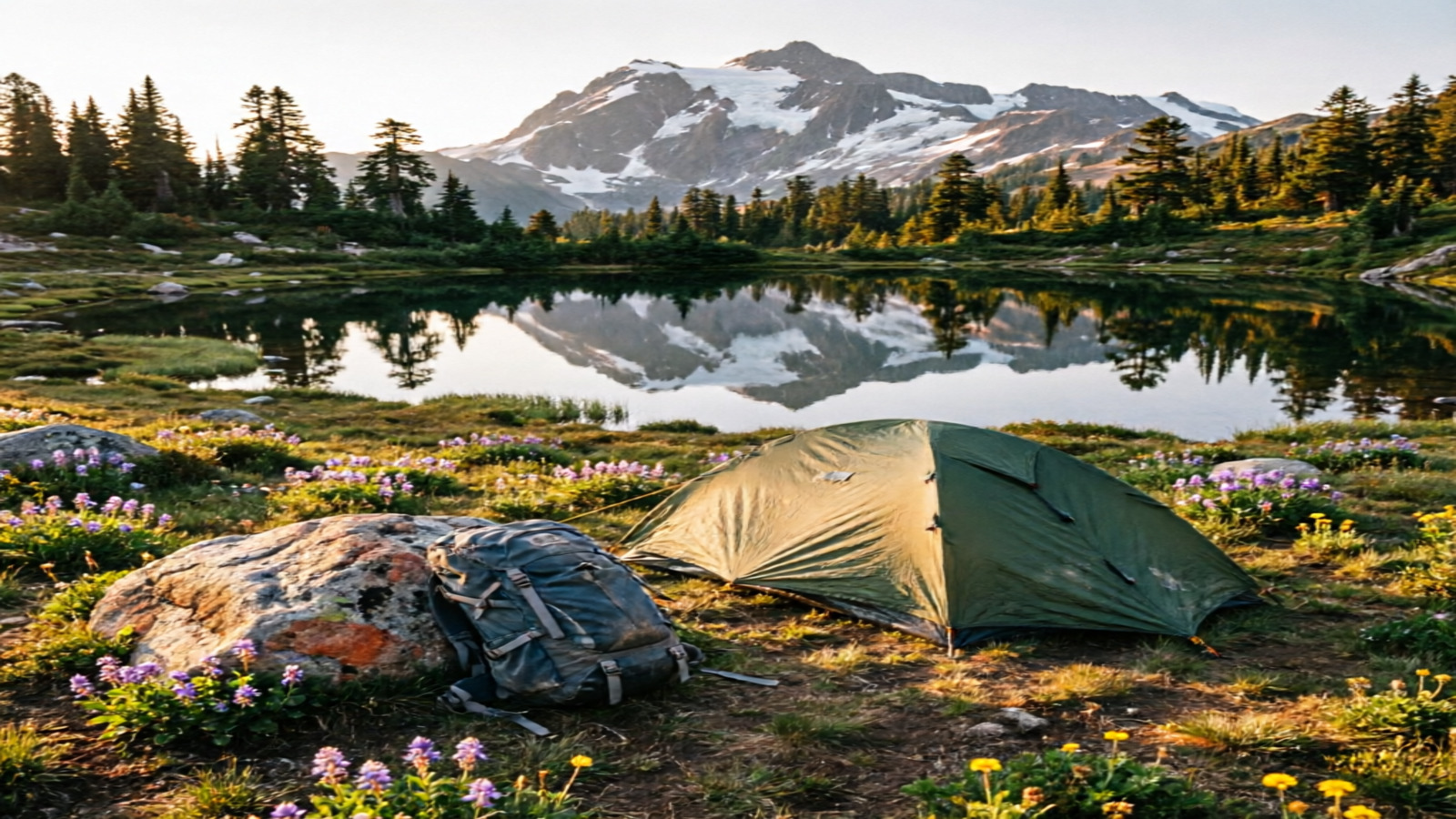
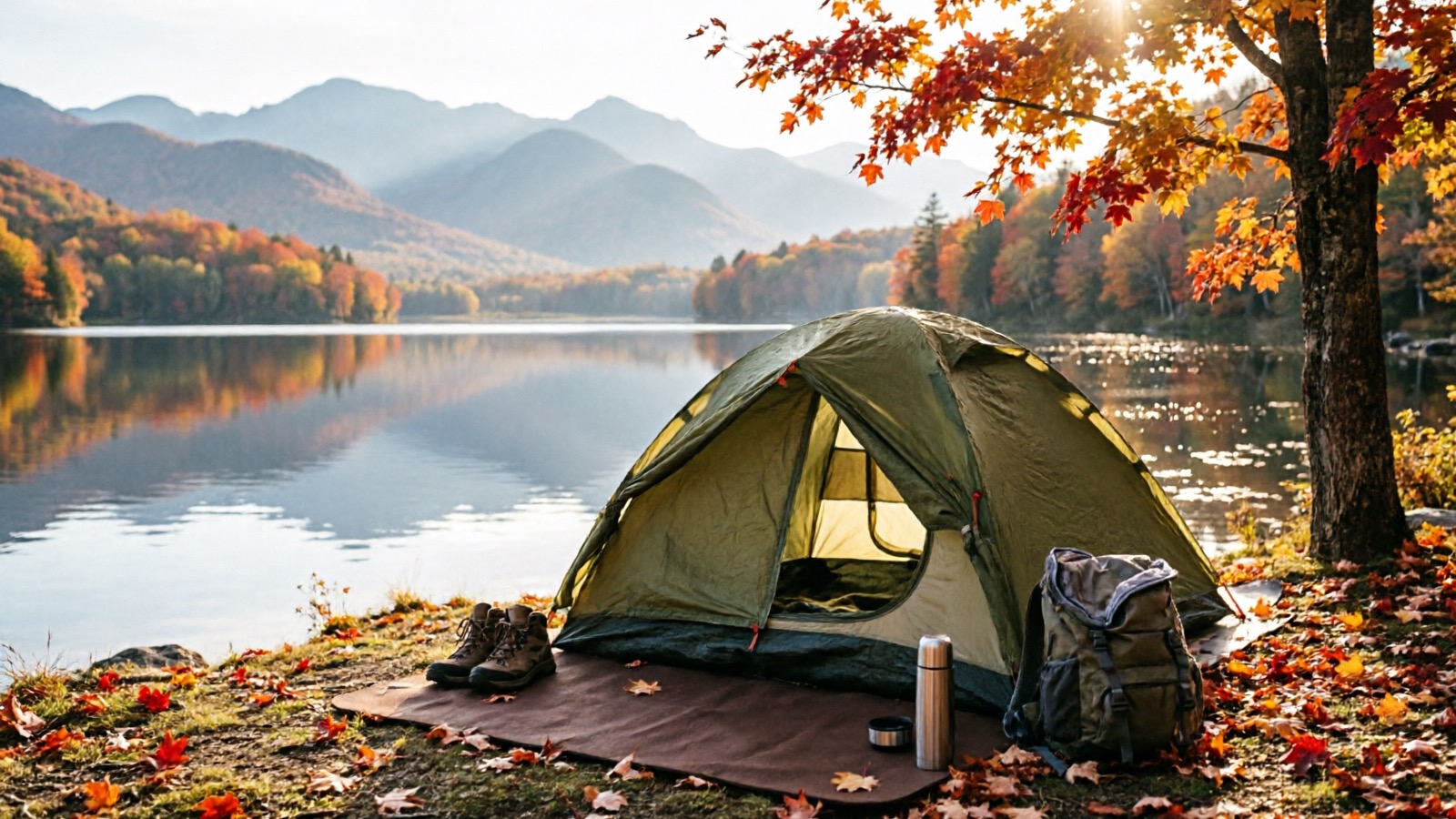
Fall camping is camping during autumn — September through November — when temperatures drop, daylight shortens, and foliage peaks across the United States. If you have only camped in summer, fall camping is a different experience: crisp mornings, no bugs, and landscapes painted in gold and red.
The trade-off is real. Nights get cold fast. Campgrounds close without warning. Daylight gives you less time to set up. But with the right preparation, fall camping can be more enjoyable than any summer trip — fewer crowds, better hiking weather, and scenery that makes every photograph a keeper.
This fall camping guide covers the best spots for foliage across the US, a complete cold-weather gear checklist, what to wear for changing temperatures, seasonal activities, weather preparation strategies, and answers to the most common fall camping questions.
What Is Fall Camping?
Fall camping means setting up camp during the autumn months when temperatures cool, daylight shortens, and foliage peaks across the US. The season runs roughly from September through November, though the exact timing depends on your region and elevation.
Why fall camping beats summer for many outdoor enthusiasts:
- Fewer bugs and insects — mosquito populations plummet after the first frosts
- No summer crowds — popular campgrounds that require reservations in July often have walk-in availability in October
- Comfortable hiking temperatures — 60-70°F during the day versus 90°F+ in midsummer
- Scenic foliage — the primary draw for many fall campers
- Cooler nighttime sleeping — no more sweating through your sleeping bag at 2 AM
Key challenges versus summer camping:
- Temperature swings — a warm 65°F afternoon can become a 28°F night, especially at elevation
- Shorter daylight — sunset comes earlier, giving you less time to cook, set up, and explore
- Unpredictable weather — clear mornings can turn into cold rain by afternoon
- Seasonal campground closures — many campgrounds shut down after mid-October, and water systems get turned off
For campers new to the outdoors, our camping guide for beginners covers the fundamentals that apply in every season.
Fall Camping Gear Checklist
Fall camping gear centers on one principle: stay warm at night. Everything else is secondary. Your sleeping system — bag, pad, and shelter — determines whether you sleep comfortably or shiver until dawn.
Sleeping System — Your Number One Priority
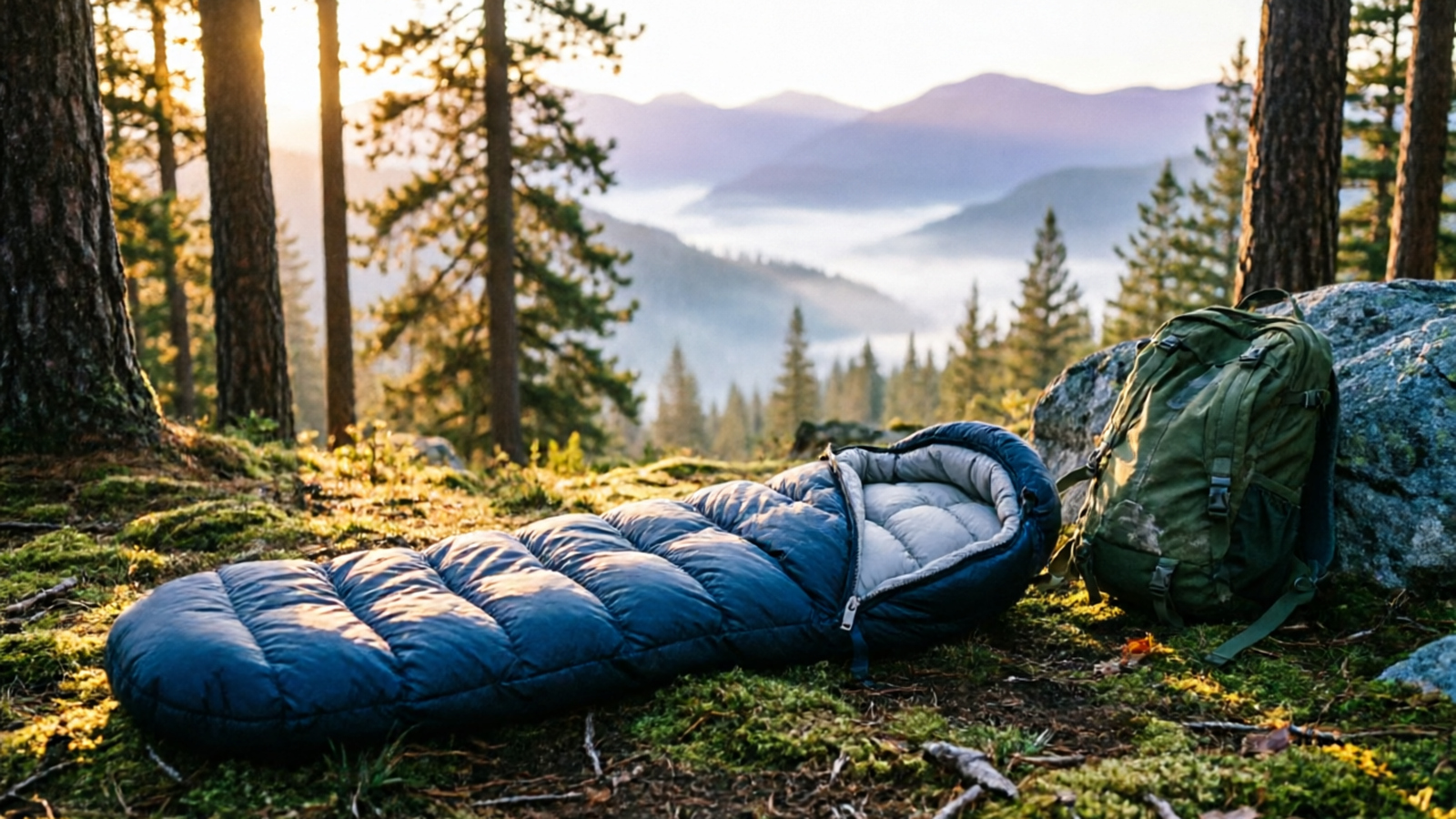
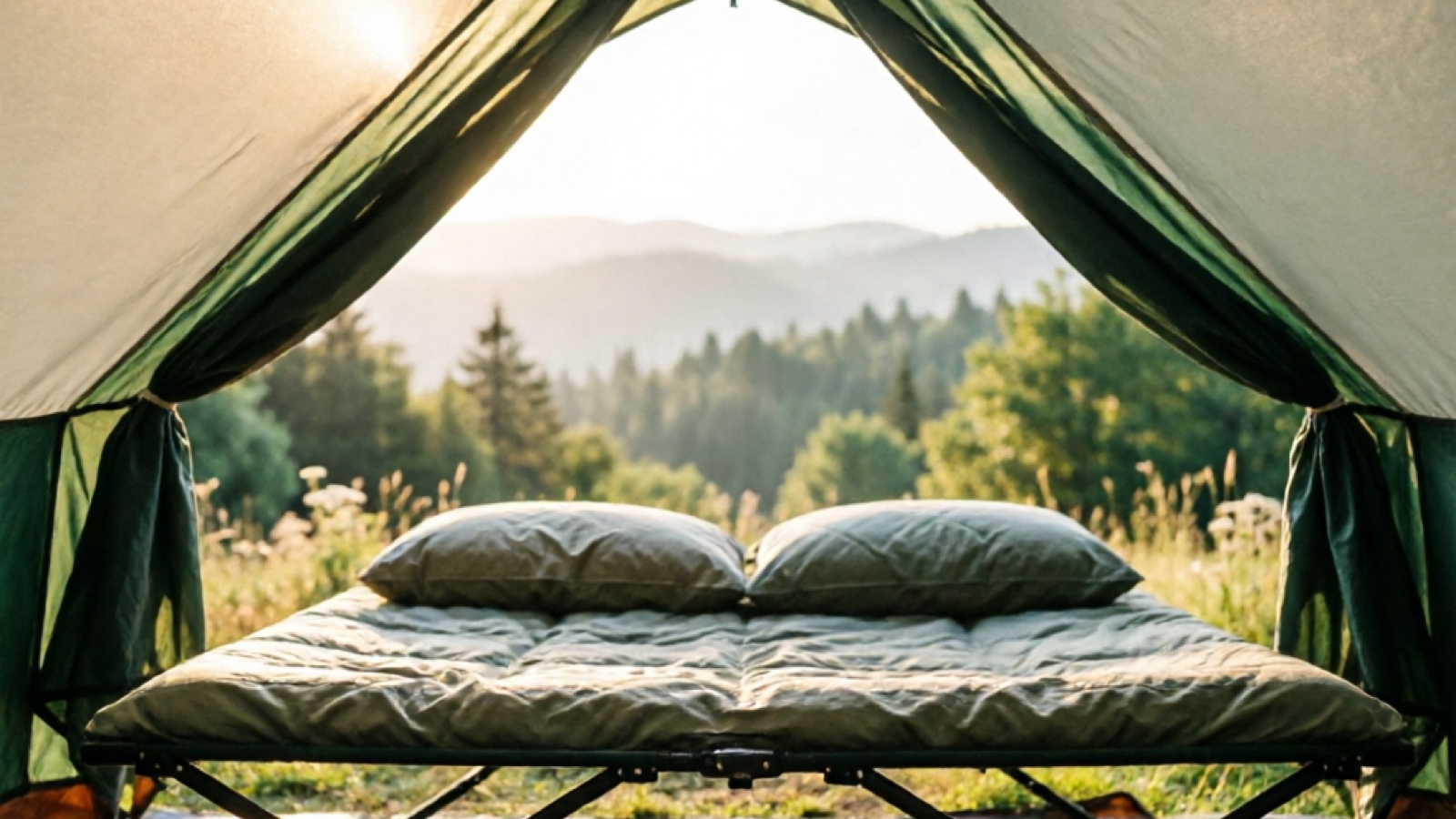
Your sleeping system matters more than any other gear decision you will make for a fall camping trip. The ground pulls heat from your body faster than cold air does, and an inadequate sleeping pad will undo even the warmest sleeping bag.
- 类型:对比图
- 用途:展示 Early/Mid/Late Fall 三个阶段的 sleeping bag 评级、R-value 和额外层数需求
- 建议提示词:Infographic comparing fall camping sleeping gear by season phase — early fall, mid fall, late fall — showing sleeping bag temperature ratings, sleeping pad R-values, and clothing layers needed —>
| Season Phase | Night Temp | Sleeping Bag Rating | Sleeping Pad R-Value | Extra Layers |
|---|---|---|---|---|
| Early Fall (Sep) | 40–50°F | 30°F bag | R-value 3+ | Light fleece layer |
| Mid Fall (Oct) | 25–40°F | 15–20°F bag | R-value 4–5 | Mid-weight fleece |
| Late Fall (Nov) | 15–25°F | 0–15°F bag | R-value 5+ | Heavy fleece + liner |
R-value is the insulation rating for sleeping pads — higher numbers mean more warmth. A pad rated R-value 3 works for summer and early fall. For mid-fall and beyond, you need R-value 4 or higher. The difference between R-value 3 and R-value 5 is the difference between a decent night and a miserable one.
For insulated sleeping pads with high R-value, see our guide to the best camping sleeping pads.
For cold-weather sleeping bags rated for lower temperatures, our best winter camping sleeping bags covers options that handle late fall conditions. For general-purpose bags rated for milder fall nights, check the best camping sleeping bags.
7 Fall Camping Essentials Checklist
Use this checklist before every fall trip. Print it, check items off, and do not skip the rain fly — even when the sky looks clear at noon.
- Cold-rated sleeping bag — check the temperature rating against your destination’s expected lows
- Insulated sleeping pad — R-value 4+ for mid-to-late fall camping
- 3-season tent with rain fly — always pack the rain fly, no exceptions in autumn
- Layered clothing system — base layer, mid layer, and waterproof outer shell
- Warm accessories — wool beanie, insulated gloves, two or more pairs of wool socks
- Reliable light sources — headlamp plus lantern, because days are shorter and you will need both
- Weather protection — tarp for rain and wind shelter, waterproof bags for gear storage
For camping tarps that handle rain and wind protection, see our best camping tarps guide. Headlamps are essential when the sun sets at 6 PM — our best camping headlamps covers hands-free options for camp tasks after dark. For ambient lighting around camp, the best camping lanterns guide has you covered.
Fall Camping Gear Setup in 5 Steps
Setting up your sleep system correctly matters as much as the gear itself. Follow these steps in order:
- Clear and level your tent site — remove leaves, rocks, and debris for better tent floor contact and a more comfortable sleep surface
- Lay a footprint or tarp under the tent — this prevents moisture seepage from fall dew and rain, which is heavier in autumn than summer
- Set up your sleeping pad inside the tent — inflate it fully for maximum R-value performance; a partially inflated pad loses insulation
- Unpack your sleeping bag and loft it — shake it out and let it expand for at least 15 minutes before getting in; compressed insulation cannot trap warmth
- Organize extra layers within arm’s reach — midnight temperature drops are easier to handle when your fleece jacket and beanie are accessible without leaving the bag
- 类型:步骤流程图
- 用途:展示 5 步睡眠系统搭建流程,从清理地面到整理衣物
- 建议提示词:Step-by-step diagram showing fall camping tent and sleeping system setup — clearing ground, laying footprint, inflating sleeping pad, lofting sleeping bag, organizing layers —>
Best Fall Camping Spots in the US
Fall foliage follows elevation and latitude — colors peak first in northern high-elevation areas and move south through October. Plan your trip around peak foliage dates for the most dramatic scenery.
Northeast — Peak Foliage
The northeastern US delivers the most reliable and vibrant fall foliage in the country. Three destinations stand out:
Great Smoky Mountains (Tennessee/North Carolina) — the elevation range here (800 feet to 6,643 feet at Clingmans Dome) means the fall color window stretches from mid-September through early November. Lower elevations turn first, then color moves upslope. With over 900 campsites across developed and backcountry locations, you have options from car camping to primitive sites. October is peak season — book early.
White Mountains (New Hampshire) — the Kancamagus Highway is one of the most scenic fall drives in America, and campgrounds along this corridor put you in the middle of the action. Both developed campgrounds and dispersed sites are available. Late September to mid-October is prime time.
Adirondacks (New York) — the High Peaks region offers hiking through dense hardwood forests with peak leaf peeping from late September through mid-October. Many DEC campgrounds remain open through October, though some switch to self-registration after Columbus Day weekend.
Midwest — Hidden Gems
Midwestern fall camping offers something the northeast cannot: far fewer crowds at equally stunning destinations.
Ozark Mountains (Arkansas/Missouri) — fall color peaks in late October with mild temperatures in the 40s to 60s°F during the day. Campgrounds here stay uncrowded well into November. The Ozark National Forest and Buffalo National River area offer both developed campgrounds and dispersed camping along scenic drives.
Boundary Waters Canoe Area (Minnesota) — early September is the sweet spot here. The bugs are gone, the water is still warm enough for paddling, and the boreal forest reflects brilliant colors across the lakes. By late September, nights drop below freezing. This is a wilderness destination — no reservations needed for most entry points, but you need a permit.
West — Extended Seasons
Western fall camping offers the longest windows thanks to milder autumns and diverse ecosystems.
Yosemite National Park (California) — Yosemite Valley’s fall colors peak from mid-October through November as black oaks and bigleaf maples turn gold and orange. The summer crowds are gone. Campground reservations become easier to get after September, though Upper Pines and Lower Pines remain open year-round. Nights in the valley drop into the 30s by late October.
Olympic National Park (Washington) — this park delivers a rare combination: temperate rainforest greens alongside autumn deciduous color. Fall temperatures stay mild (40s-50s°F) through October. Hoh Rainforest, Kalaloch, and Mora campgrounds offer distinct experiences — from moss-draped spruce to coastal beach camping.
Grand Teton National Park (Wyoming) — golden aspen groves frame the Tetons in late September and early October. This coincides with elk rut season, and you will hear bull elk bugling from your campsite at dawn. Nights are cold (20s-30s°F), so bring serious cold-weather gear. Most campgrounds close by early October — Jenny Lake and Signal Mountain are among the last to shut down.
- 类型:地图/信息图
- 用途:展示美国秋季露营最佳地点分布,按 Northeast/Midwest/West 分区
- 建议提示词:Map of best fall camping spots in the US, showing seven locations across Northeast, Midwest, and West regions with foliage peak dates and temperature ranges —>
What to Wear Fall Camping
What you wear fall camping matters more than what you wear in summer. In summer, being slightly underdressed is uncomfortable. In fall, being underdressed at night can become dangerous.
The 3-Layer System
The 3-layer system is the foundation of cold-weather outdoor clothing. Each layer serves a specific purpose:
Base layer — moisture-wicking synthetic or merino wool worn next to your skin. The job of this layer is to pull sweat away from your body. Never wear cotton as a base layer. Cotton absorbs moisture, holds it against your skin, and loses all insulation value when damp. Even a light sweat from setting up camp in a fleece jacket can leave you cold for hours if cotton is underneath.
Mid layer — fleece jacket or insulated puffer that traps body heat. Pack two options: a lightweight fleece for active daytime use and a heavier insulated jacket for evenings around camp. Mid layers are easy to add and remove as temperatures shift throughout the day.
Outer layer — waterproof and windproof shell that blocks rain and wind. Fall storms arrive with less warning than summer thunderstorms, and wind chill at 40°F with a 15 mph breeze makes the effective temperature feel like 25°F. Your shell does not need to be insulated — it needs to block wind and water.
Do Not Forget Extremities
Your hands, feet, and head lose heat faster than your torso. Ignore extremities and no amount of layering on your core will keep you comfortable.
- Wool beanie — you lose significant body heat through an uncovered head, especially in wind. A simple wool beanie makes a noticeable difference around camp
- Insulated gloves — cold fingers make every camp task harder, from tent stakes to cooking. Lightweight fleece gloves work for mild evenings; insulated gloves for late fall
- Wool socks (two or more pairs) — wool retains insulation even when slightly damp. Cotton socks get wet from sweat during the day and stay cold at night. Bring a dedicated dry pair for sleeping only
For hiking boots with grip on wet leaves and rocky trails, see our best hiking boots. Pair them with proper wool hiking socks — our best hiking socks covers warm, moisture-wicking options for cool weather.
Daytime Versus Nighttime Adjustments
Fall camping demands constant clothing adjustments as temperatures swing 30-40°F between day and night.
During the day, strip down to your base layer plus a mid layer for active hiking or camp setup. Overdressing leads to sweating, and sweat leads to cold once you stop moving. It is better to start slightly cool and warm up from activity than to overheat and soak your base layer.
Before sunset, add all layers proactively. Do not wait until you feel cold to start layering up — by then your body is already losing heat. Put on your shell, fleece, beanie, and gloves before the sun drops below the treeline.
For sleeping, wear a completely dry set of base layers. Never sleep in the clothes you wore all day — they hold moisture from sweat even if you do not feel wet. A dry base layer inside your sleeping bag is dramatically warmer than a damp one.
Fall Camping Activities and Tips
Fall camping offers activities that summer cannot match. The cooler weather opens up possibilities that are miserable in July heat.
Best Fall Camping Activities
Leaf peeping — the single most popular fall camping activity. Plan your trip using regional foliage prediction maps — the Smoky Mountains fall foliage prediction map is widely regarded as the most accurate for the eastern US. Peak colors typically last 1-2 weeks in any given location, so timing matters. Elevation is your friend: higher sites peak earlier, giving you a longer window if you are willing to drive between elevations.
Fall hiking — cooler temperatures make long hikes enjoyable rather than endurance tests. Trails that are punishing in August become pleasant in October. One caveat: wet leaves on trails are slippery, especially on steep grades. For fall hiking footwear with grip for wet leaves, see our best hiking boots.
Fishing — fall is prime fishing season across most of the US. Trout become more active in cooler water temperatures. Bass feed aggressively before winter, making them more likely to strike. Streams are lower and clearer in fall than in spring, making fish easier to spot.
Campfire cooking — hearty meals taste better when the air is crisp. Chili, stew, and foil packet dinners are fall camp classics. The cooler weather means your ingredients stay fresh longer — a quality cooler still helps. For camp cookware suited to hearty fall meals, see our best camping cookwares. Pair that with a reliable stove from our best camping stoves guide. Milder fall temperatures also mean your cooler does not work as hard — our best camping coolers covers options that keep food fresh for multi-day trips.
Stargazing — longer nights and fewer mosquitoes create ideal stargazing conditions. In many campgrounds, the absence of summer leaf cover on deciduous trees actually opens up more sky visibility. October and November skies feature some of the clearest viewing conditions of the year.
Key Fall Camping Tips
These tips come from experience — skip them and you will learn the hard way:
- Arrive early — with less daylight, setting up camp in the dark is harder and more frustrating. Arrive at least two hours before sunset
- Always pack the rain fly — fall weather is unpredictable. A clear morning does not guarantee a clear night. Staking your rain fly takes five minutes and prevents a miserable midnight scramble
- Check campground seasonal closures — many campgrounds close after October, and water systems get shut off even at campgrounds that remain open. Call ahead or check the official website
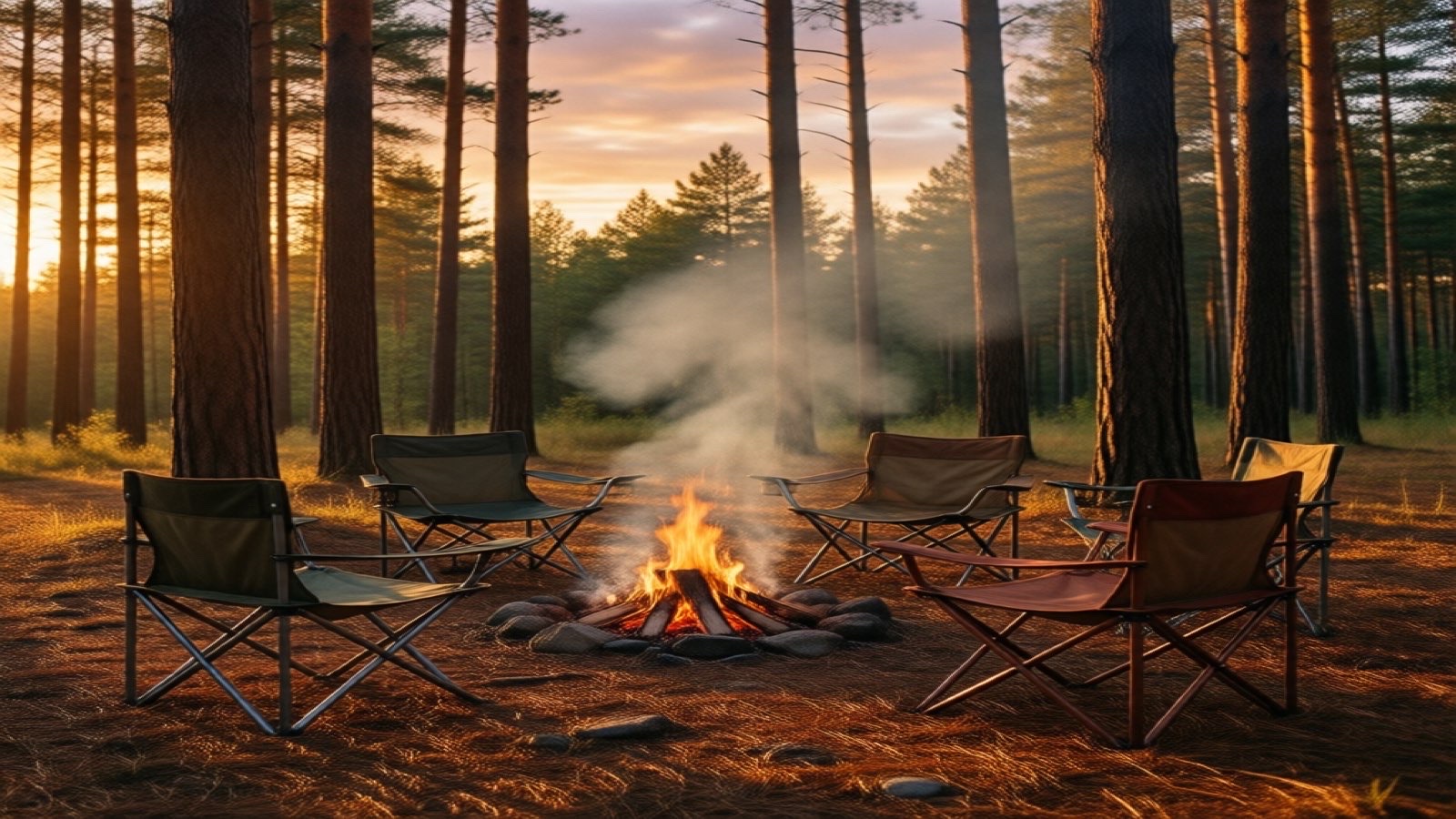
- Build your campfire before sunset — gathering firewood and building a fire is much easier with daylight. Have your fire going before you need it for warmth
- Pack extra fire starters — damp fall wood is harder to ignite than dry summer wood. Waterproof matches, a fire-starting cube, or dryer lint in a sealed bag all work
Fall Camping Weather Preparation
Fall weather is less predictable than summer weather. A single day can bring sunshine, rain, wind, and frost — sometimes within hours. Understanding fall weather patterns helps you prepare instead of react.
Understanding Fall Weather Patterns
Temperature swings of 30-40°F between day and night are normal in fall. This is the single biggest adjustment for summer campers. A t-shirt afternoon can become a fleece-and-beanie evening. Plan your clothing and sleep system around nighttime lows, not daytime highs.
Frost becomes common in mid-to-late fall, especially in low-lying areas and valleys where cold air settles overnight. If you are camping in a valley, expect temperatures 5-10°F lower than the regional forecast. Frost on your tent in the morning is normal — frost inside your sleeping bag means your insulation is inadequate.
Wind amplifies cold significantly. A 40°F air temperature with a 15 mph wind creates a wind chill of 32°F. Position your tent behind natural windbreaks — trees, rock formations, or hilltops. Avoid setting up on ridge tops or open fields where wind is unobstructed.
Rain probability increases in many regions during October. Eastern deciduous forests see increased rainfall as storm systems move through. The Pacific Northwest stays wet year-round but fall brings stronger frontal systems with heavier downpours.
Staying Warm at Night
Nighttime warmth separates a good fall camping trip from a bad one. These strategies have been tested through countless cold nights:
-
Hot water bottle trick — fill a Nalgene or similar bottle with boiling water, seal it tightly, and place it inside your sleeping bag near your core or feet. It radiates warmth for hours. This single technique makes a noticeable difference when temperatures drop below freezing
-
Eat before bed — your body generates heat digesting food. A high-calorie snack before sleep — peanut butter, trail mix, cheese, or chocolate — fuels your internal furnace through the night
-
Go to the bathroom before bed — your body wastes energy keeping a full bladder warm. As uncomfortable as the midnight walk to the bathroom is in cold weather, your sleeping bag will be warmer for it
-
Ventilate your tent — counterintuitive but critical. Cracking a vent slightly reduces condensation from your breath, which can freeze on the tent interior and rain back down on you. A sealed tent in cold weather creates more moisture problems than a slightly vented one
- 类型:信息图
- 用途:展示 4 种保暖技巧:热水瓶法、睡前进食、通风防结露、正确层叠睡袋
- 建议提示词:Illustrated guide showing four fall camping warmth techniques — hot water bottle in sleeping bag, eating before bed, tent ventilation to prevent condensation, and proper layering inside sleeping bag —>
For extended fall camping stays where nights stay below freezing, camping heaters can supplement your sleep system. Our best camping heaters covers safe options for tent use — always prioritize ventilation when using any heater in an enclosed space.
Frequently Asked Questions
Is it too cold to camp in October?
Not with the right gear. October temperatures range from 25°F to 55°F depending on region and elevation. A 15-20°F sleeping bag, an insulated pad with R-value 4+, and proper layering make October camping comfortable.
What is the best month for fall camping?
September and October. September offers warmer days (50-70°F) with fewer bugs and early foliage. October delivers peak colors but colder nights (25-45°F). November works in southern states but many campgrounds close.
How do you stay warm in a tent in fall?
Four essentials: an insulated sleeping pad (R-value 4+), a temperature-rated sleeping bag (15°F for mid-fall), a 3-layer clothing system, and a hot water bottle inside your sleeping bag. Eat a high-calorie snack before bed.
Do I need a 4-season tent for fall camping?
A 3-season tent works for most fall conditions. You only need a 4-season tent for late November at high elevation where snow and high winds are expected. For typical fall camping, a 3-season tent with a properly staked rain fly is sufficient.
What should I pack for fall camping?
Seven essentials: a cold-rated sleeping bag, an insulated sleeping pad, a 3-season tent with rain fly, layered clothing (base, mid, outer shell), warm accessories (beanie, gloves, wool socks), multiple light sources, and a tarp for weather protection.
Is fall camping better than summer camping?
Fall has several advantages: no mosquitoes, comfortable hiking temperatures (60-70°F vs 90°F+), stunning foliage, fewer crowds, and no sweltering nights. The trade-off is colder nights and shorter daylight — but with proper gear, fall often feels more enjoyable.
Can you camp in the rain in fall?
Yes. Always pack your tent rain fly — even on clear mornings. Set up a tarp over your cooking area. Store gear in waterproof bags. Fall rain combined with wind drops temperatures quickly, so layer up before you start feeling cold.