How to Stay Warm in a Tent: 12 Proven Tips for Cold Weather Camping
Stay warm in a tent with these 12 proven tips. Learn how to insulate your tent, layer your sleeping gear, and sleep comfortably in cold weather.
Camping in cold weather doesn’t have to mean shivering all night. With the right preparation and a handful of proven techniques, you can sleep comfortably in temperatures well below freezing.
After years of camping in conditions ranging from mild autumn nights to sub-zero winter trips, here are the 12 strategies that make the biggest difference.
1. Choose the Right Sleeping Bag
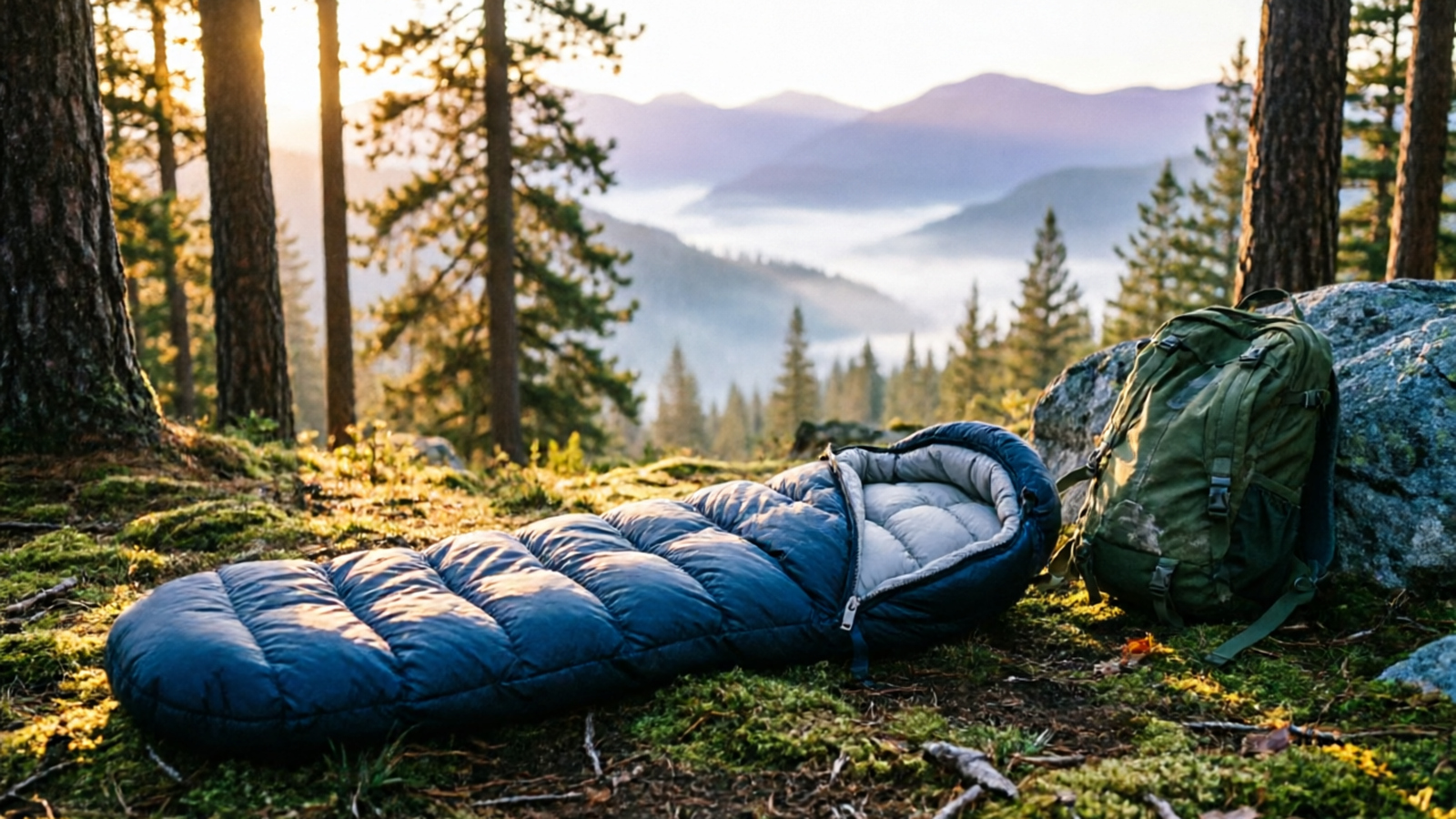
Your sleeping bag is your primary defense against cold. Pay attention to three things:
- Temperature rating: Select a bag rated 10°F lower than the coldest temperature you expect. If the forecast says 30°F, get a 20°F bag.
- Insulation type: Down bags are lighter and more compressible but lose insulation when wet. Synthetic bags retain warmth when damp and cost less.
- Fit: A snug bag retains heat better than a roomy one. Extra space means more air your body has to warm up.
If your current bag isn’t warm enough, add a thermal sleeping bag liner — it adds 10-15°F of warmth for minimal weight.
2. Invest in a High R-Value Sleeping Pad
Most heat loss happens through the ground, not the air. Your sleeping bag’s bottom insulation gets compressed under your body weight, which is why a sleeping pad is non-negotiable for cold weather camping.
- R-value 2-3: Good for summer (above 40°F)
- R-value 3-4: Three-season use (down to 25°F)
- R-value 5+: Winter camping (below 25°F)
For cold weather, stack two pads: a closed-cell foam pad on the bottom (reflects body heat back up) and an inflatable pad on top for comfort. Closed-cell foam like the Therm-a-Rest Z-Lite weighs almost nothing and makes a measurable difference.
3. Wear the Right Base Layers
What you wear inside the sleeping bag matters more than what you wear outside it.
- Do: Wear a thin base layer of merino wool or synthetic fabric, dry socks, and a beanie hat. Up to 30% of body heat escapes through your head.
- Don’t: Wear cotton, jeans, or too many layers. Cotton absorbs moisture and turns cold. Too many layers compress your sleeping bag’s loft and reduce its effectiveness.
Change into dry base layers right before bed. Never sleep in the clothes you wore all day — they hold moisture from sweat.
4. Use a Hot Water Bottle
Fill a Nalgene-style bottle with hot (not boiling) water, seal it tight, and place it inside your sleeping bag near your feet or core. This simple trick adds 2-3 hours of consistent warmth.
- Use a sturdy plastic bottle — glass can break
- Wrap it in a sock to prevent direct skin contact
- Make sure the cap is sealed completely
5. Insulate the Tent Floor
Heat escapes through the ground, and your sleeping pad only covers your body. Cover the rest of the tent floor:
- Lay down a heavy-duty tarp or footprint under your tent (this helps with moisture too)
- Inside the tent, place your pack, extra clothes, or a blanket on exposed floor areas
- If snow camping, pack snow around the base of the tent for additional insulation
6. Eat a High-Calorie Meal Before Bed
Your body generates heat through digestion. Eat a meal rich in fats and complex carbohydrates 1-2 hours before sleep:
- Cheese, nuts, and trail mix are excellent snacks
- Hot oatmeal or soup warms you from the inside
- Avoid alcohol — it dilates blood vessels and actually makes you colder
Drink warm water or tea before bed, but don’t overhydrate. Waking up to use the bathroom at 3 AM in sub-zero temperatures negates everything.
7. Ventilate Your Tent
This sounds counterintuitive, but a sealed tent leads to condensation. Your breath and body moisture create frost on the tent walls and ceiling, which drips onto you and your gear.
- Open at least one upper vent, even in cold weather
- Keep wet gear outside the sleeping bag — moisture is the enemy of insulation
- Use a towel to wipe down condensation before sleep
A slightly cooler but dry tent is warmer than a humid one.
8. Pitch Your Tent in a Sheltered Spot
Wind strips heat from your tent faster than anything else.
- Pitch behind natural windbreaks: large rocks, dense trees, or hills
- Avoid low-lying areas where cold air settles (valley bottoms, depressions)
- Face the door away from prevailing wind
- Avoid pitching directly under tree branches that could drop snow or break in wind
9. Use a Tent with Cold-Weather Features
If you camp in cold weather regularly, your tent matters:
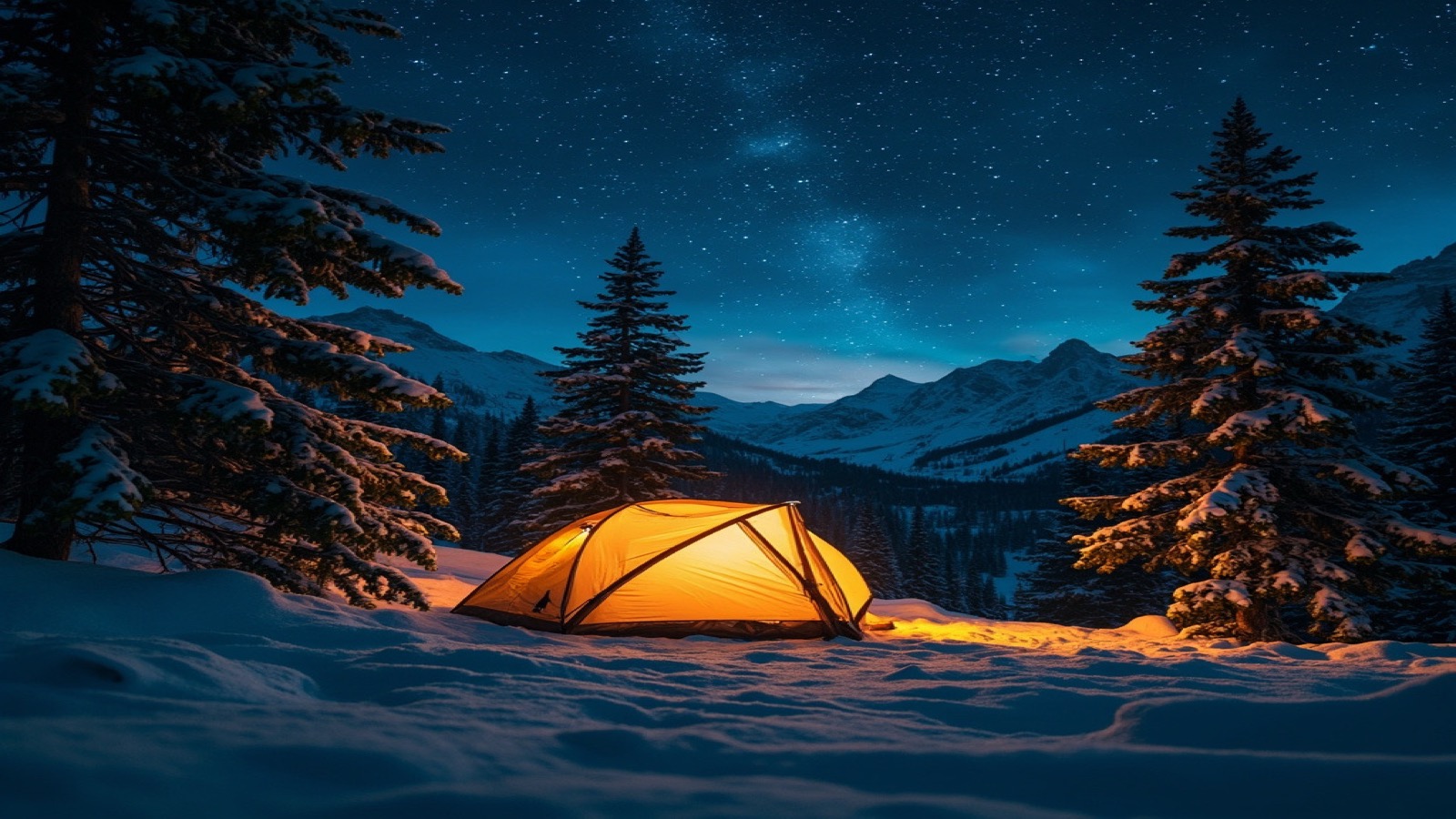
- 4-season tents: Feature stronger poles, less mesh, and sturdier construction. They hold up to snow loads and high winds.
- Double-wall construction: An inner tent with a full-coverage rain fly traps a layer of dead air that insulates against cold.
- Geodesic or dome shape: Sheds wind and snow better than cabin-style tents.
Most 3-season tents work fine down to about 30°F with proper gear. Below that, consider a 4-season design.
10. Pre-Warm Your Sleeping Bag
Climbing into a cold sleeping bag is miserable. Pre-warm it:
- Stuff a hot water bottle inside 15 minutes before bed
- Do jumping jacks or pushups before getting in — your body heat warms the bag faster
- Keep the bag inside your pack during the day so it doesn’t freeze
Never use a heater, stove, or open flame inside or near your sleeping bag.
11. Keep Electronics Warm
Cold drains batteries fast. Phones, headlamps, and GPS units lose charge rapidly below freezing.
- Store electronics inside your sleeping bag at night
- Keep spare batteries in a pocket close to your body
- Lithium batteries perform better in cold than alkaline
12. Have a Backup Warmth Plan
Even with perfect preparation, things go wrong. Carry backups:
- Chemical hand warmers: Grabber Warmers last 7-10 hours and fit in gloves, socks, or sleeping bag
- Extra base layer: A dry set of clothes in a waterproof bag inside your tent
- Emergency bivy: Weighs a few ounces and can add 15-20°F of protection in a survival situation
- Thermos: Keep hot water available throughout the night for instant warmth
Cold Weather Camping Checklist
Use this checklist before your next cold weather trip:
| Category | Essentials |
|---|---|
| Sleep system | Sleeping bag (10°F below expected low), sleeping pad (R-value 5+), pad stack (foam + inflatable) |
| Clothing | Merino base layer, dry socks, beanie, mid-layer jacket |
| Warming | Hot water bottle, hand warmers, thermos |
| Tent | 4-season or double-wall, footprint, guylines for wind |
| Food | High-calorie snacks, hot drink mix, water bottles |
| Backup | Emergency bivy, extra base layer, fire starter |
Final Thoughts
Staying warm in a tent comes down to three principles: insulate from the ground, stay dry, and fuel your body. Most campers focus only on the sleeping bag, but your sleeping pad, base layers, and bedtime snacks collectively make a bigger difference than upgrading your bag alone.
Start with the free tips (eating before bed, wearing a beanie, ventilating your tent) and work up to the gear investments (high R-value pad, 4-season tent) as you camp in colder conditions. Even small adjustments — like changing out of wet socks or pre-warming your bag — can turn a miserable night into a comfortable one.
Frequently Asked Questions
What is the warmest way to sleep in a tent?
The warmest combination is a sleeping bag rated 10°F below your expected low temperature, a closed-cell foam sleeping pad with an R-value of 5 or higher, a thermal liner, and a beanie hat. Your sleeping pad matters as much as your bag — the ground conducts heat away from your body faster than the air above you. Layer a fleece blanket inside your bag for extra insulation without adding bulk.
Can you use a heater in a tent?
Only electric heaters rated for indoor use, and only if your campsite has power hookups. Never use propane or gas heaters inside a sealed tent — they produce carbon monoxide, which is odorless and deadly. Even with ventilation, gas heaters pose serious fire and asphyxiation risks. Battery-powered heated blankets are a safer alternative for mild cold.
Why do my feet get so cold in a sleeping bag?
Your body pulls warm blood away from extremities in cold conditions to protect your core organs. The fix: wear dry wool or merino socks, place a [Nalgene bottle filled with hot water](https://www.amazon.com/dp/B000KA6AOU?tag=camplabx-20&linkCode=ll2&language=en_US&ref_=as_li_ss_tl) at your feet before bed, and make sure your sleeping pad covers the full length of your body. Cold feet also signal your sleeping bag rating is too warm or too cold — find the right balance.
Is it warmer to sleep with clothes on or off in a sleeping bag?
Wear a base layer of dry moisture-wicking fabric (merino wool or synthetic), but avoid cotton — it traps sweat and makes you colder. Don't wear too many layers inside the bag, because tight clothing compresses the insulation and reduces loft. The optimal setup is a thin base layer plus dry socks and a beanie. Your sleeping bag works by trapping warm air around your body; give it space to loft.