Camping in the Rain: 15 Tips to Stay Dry, Safe & Comfortable
Rain doesn't have to ruin your trip. 15 proven tips for camping in the rain — from tarp setup and tent waterproofing to cooking and staying dry.
Rain is the number one reason people cancel camping trips. It’s also the reason some of the best camping memories get made — the sound of rain on a tarp, wet pine filling the air, a warm stove humming inside a dry shelter.
Most campers have two modes when rain hits: cancel the trip, or suffer through it in soaked clothes with a leaking tent. Neither has to happen.
The difference between a miserable wet disaster and an amazing camping in the rain experience comes down to preparation and the right gear. See our car camping checklist for a full packing list.
This guide covers 15 practical tips for camping in the rain across 8 sections — from choosing the right campsite before the clouds roll in to staying safe during thunderstorms. Every recommendation is based on real rain-camping experience, not sunny-day theory.
Choose the Right Campsite Before the Rain Starts
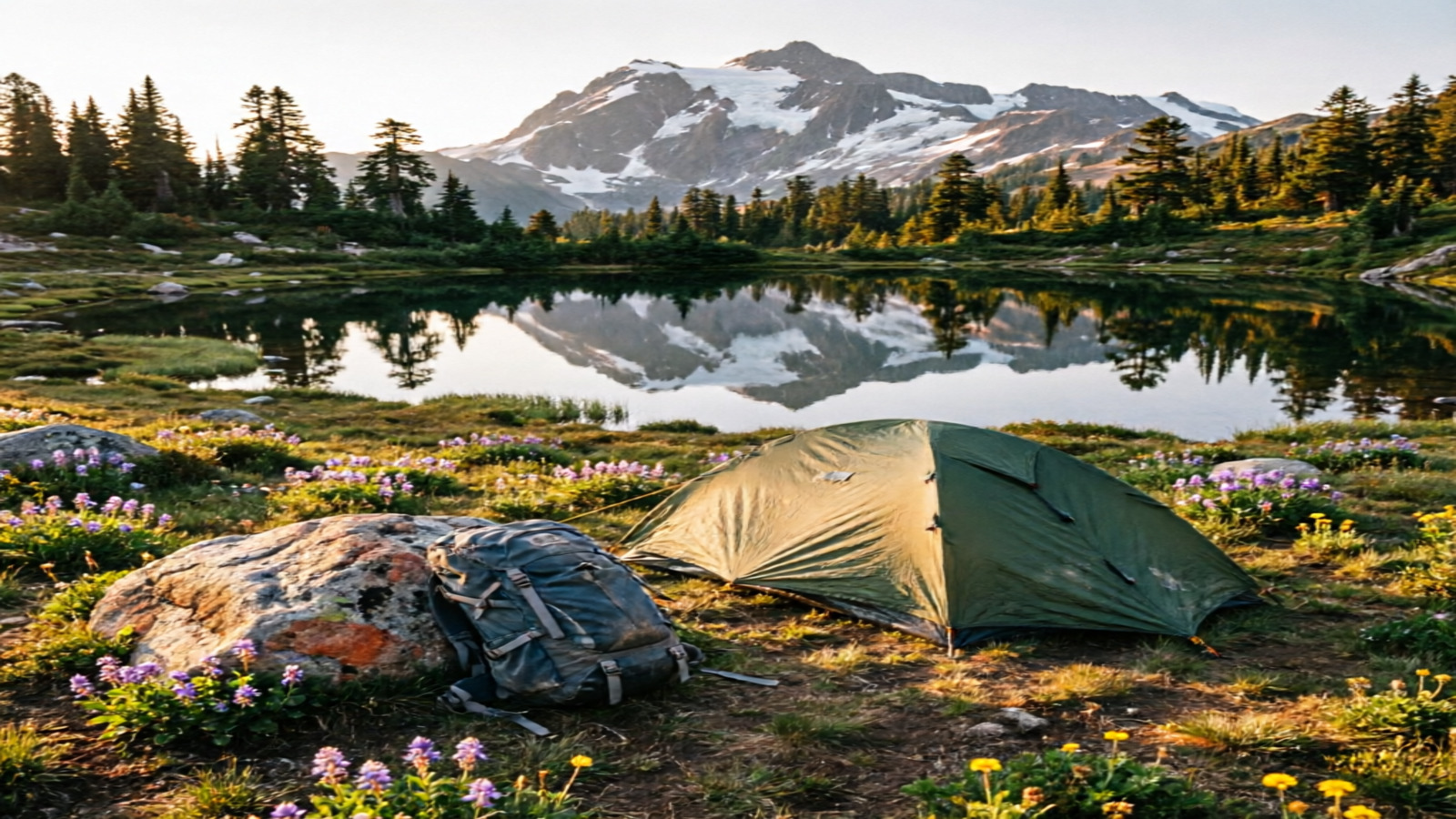
Site selection matters more than any gear when rain is in the forecast. Look for high ground with natural drainage — avoid low spots, depressions, and dry creek beds that become rivers in heavy rain.
Check the slope around your tent site: water should flow away, not toward it. A slight rise is ideal. Avoid camping directly under large trees — branches break in wind (called widowmakers for a reason), and canopy drip continues long after the rain stops.
Best natural shelters include rock overhangs with no water staining above, dense evergreen canopy, and the lee side of ridges. If you’re car camping near your vehicle, park upwind to create a windbreak. Check the forecast on NOAA or Weather.gov and plan your tarp orientation based on expected wind direction.
Clear pine needles and leaves from your tent pad — organic matter holds moisture and creates a soggy floor by morning. A bare dirt or gravel pad drains better. If the ground feels soft or spongy underfoot, keep looking. That spot will be a puddle after two hours of steady rain.
If rain is already falling when you arrive, walk the site in bare feet or thin shoes to feel where water collects. What looks flat and dry from standing height often hides drainage problems at ground level.
Setting up in daylight with dry hands is far easier than fumbling in a downpour at dusk. For choosing the right tent for wet conditions, see our guide on how to choose a tent for car camping.
Set Up a Tarp System That Actually Works
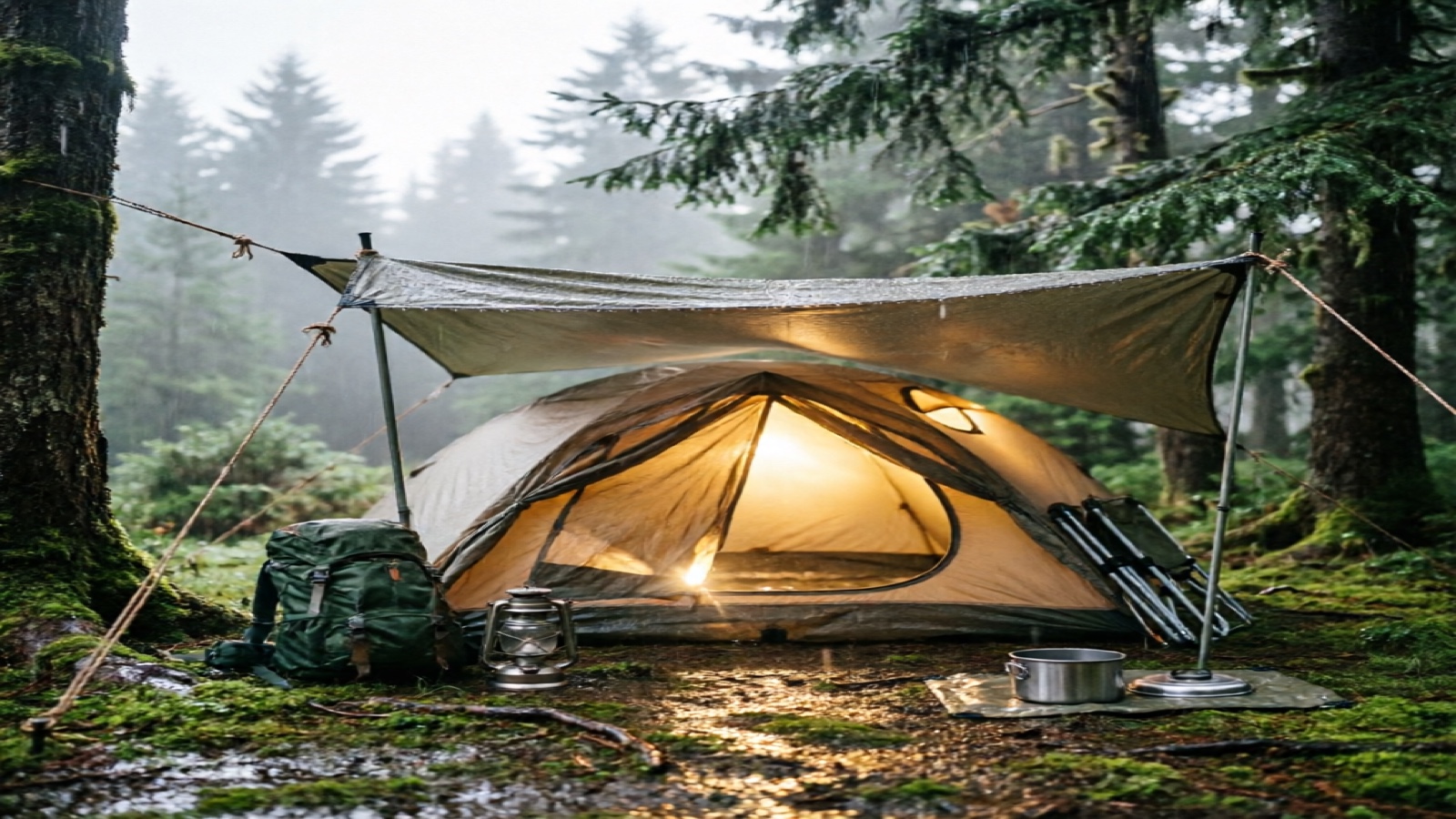
A tarp over your tent is the single most important piece of gear for camping in the rain. It creates a secondary roof that catches rain before it hits your tent fly, reducing condensation and eliminating most leak problems.
The Amazon Basics Waterproof Camping Tarp 8x10 ft ($18.39) is the most popular camping tarp on Amazon, with polyethylene construction and metal grommets for under $20. Three tarp setup techniques work for rain camping:
A-frame pitch: String the tarp between two trees with a ridgeline and stake the corners low. This sheds water well and creates a covered area beside your tent. Best all-around option for sustained rain.
Lean-to: Angle the tarp against a tree on one side and stake the other to the ground. Simple and effective when wind comes from one direction. Good for covering a cooking area.
Fly-over: Pitch directly above the tent as an oversized rain fly, using paracord at all four corners for adjustable height. Maximum tent protection but no covered space outside.
Always pitch tarps with a slope — flat tarps collect water and collapse under its weight. A 15–30 degree angle sheds rain efficiently.
Use paracord and a trucker’s hitch for adjustable tension, and retighten after the tarp gets wet because polyethylene stretches when damp. For tents with good built-in rain flies, see our best camping tent reviews.
Waterproof Your Tent From the Ground Up
Most “leaking” tents aren’t leaking at all — the problem is condensation from breath and body heat, or ground water seeping through the floor. Both are preventable.
Seam sealing is mandatory, even on new tents. Factory-taped seams peel over time, and the first heavy rain exposes every gap.
Apply GEAR AID Seam Grip TF Tent Fabric Sealer ($24.19) to all seams on the fly and floor at least 12 hours before your trip. This dual-purpose sealer also restores delaminated PU coating on older tents.
Use a tent footprint to block ground moisture from wicking through the floor. The REDCAMP Waterproof 4-in-1 Tent Footprint ($19.49) has a PU 2000mm waterproof coating and doubles as a rain shelter, picnic blanket, or sun shade. Tuck the edges under the tent floor — exposed footprint edges collect rain and channel it underneath.
Ventilation is critical: crack a window or leave the vestibule partially open. This prevents condensation buildup inside the tent, which is the number one cause of waking up in a puddle. For a full waterproofing walkthrough, see our guide on how to waterproof a tent.
Pack the Right Rain Gear
Rain gear for camping falls into two categories: what you wear and what protects your stuff. Both matter equally.
Rain jacket vs. poncho: A rain jacket is better for hiking, but a poncho wins at camp — it covers you and your pack, and you can throw it on over a puffy jacket in three seconds. The ANYOO Hooded Rain Poncho ($13.99) is reusable EVA material with a hood and drawstring, packing into its own carry bag.
Dry bags are non-negotiable for electronics and spare clothes. The Earth Pak Waterproof Dry Bag ($19.99) is rated IPX6 waterproof with a roll-top closure, available from 5L for phones up to 55L for sleeping bags.
Clothing rules for rain camping: no cotton. Cotton absorbs water, stays cold, and takes forever to dry. Wear synthetic or wool base layers, bring two or more extra pairs of socks in separate dry bags, and pack a quick-dry microfiber towel.
| Item | Budget Pick | Why It Matters |
|---|---|---|
| Tarp over tent | Amazon Basics 8x10 ($18) | Secondary roof, keeps tent fly dry |
| Tent footprint | REDCAMP 4-in-1 ($19) | Blocks ground moisture wicking |
| Seam sealer | GEAR AID Seam Grip ($24) | Prevents seam leaks |
| Rain poncho | ANYOO Hooded ($14) | Instant rain protection, covers pack |
| Dry bag | Earth Pak 10L ($20) | Keeps electronics and clothes dry |
| Extra socks | Any synthetic/wool ($10–20) | Wet feet make everything worse |
Cooking and Eating in the Rain
Never cook inside your tent — carbon monoxide from camp stoves kills. Set up a separate tarp shelter for your cooking area and keep fuel canisters and matches in a dry bag when not in use.
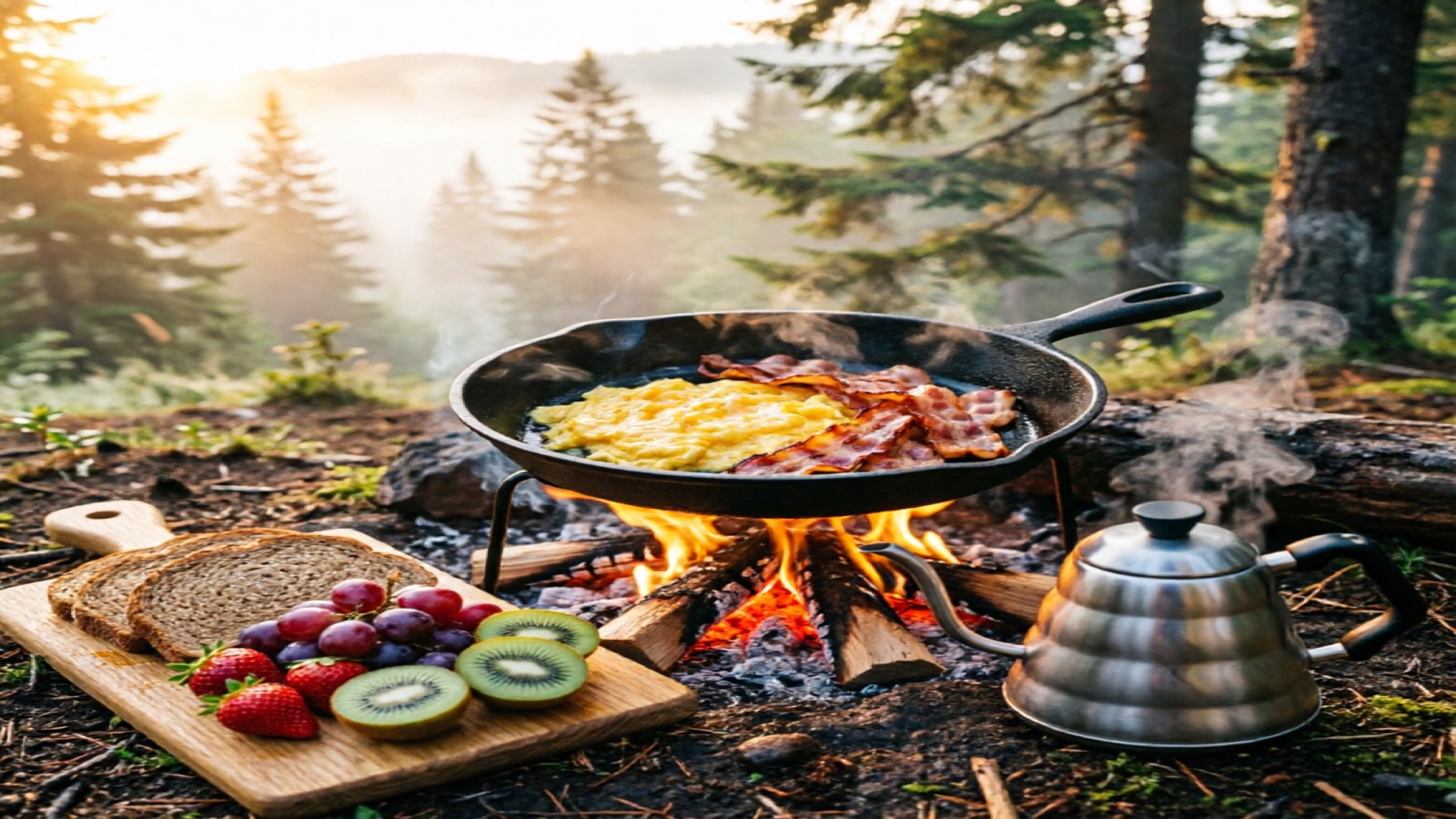
Wind and rain together make stove management tricky. Use an aluminum windscreen and position your stove in the most sheltered spot under the cooking tarp. Pre-prep meals at home — chop vegetables, pre-measure spices, and pre-mix dry ingredients to minimize handling food in the rain.
Rain-friendly meal strategies that actually work: one-pot meals reduce surface area exposed to rain. Thermos cooking — pour boiling water over dehydrated meals in a thermos, eat 20 minutes later — requires zero active cooking time in the rain. Wraps and sandwiches for lunch need no cooking at all.
Keep a dedicated “wet” cooler for items you access often — drinks, snacks, and condiments — so you’re not opening your main food cooler in the rain. A well-stocked cooler also means fewer trips to the store in bad weather. See our best camping coolers for waterproof, bear-resistant options.
Hot drinks are morale boosters when camping in the rain — keep tea, cocoa, and coffee supplies in a dry bag. For meal planning, see our camping meal plan and best camping stoves reviews.
For morning coffee specifically, see how to make coffee while camping.
Rainy Day Camping Activities
Rain doesn’t mean you’re stuck staring at the tent ceiling. Some of the best camping happens when the weather sends everyone else home.
Hiking in rain gear is underrated — trails empty out, waterfalls roar, and the forest smells incredible. Wear your poncho and waterproof boots and you’ll have the trail to yourself. The solitude is worth every raindrop.
Fishing improves during rain because barometric pressure drops trigger feeding. Overcast skies create even lighting for photography, and wet surfaces reflect colors beautifully.
Under shelter, the options open up: card games, board games, reading, journaling, and cooking elaborate meals you’d normally skip. Rain days are perfect for teaching outdoor skills — practice knot tying, map reading, or gear maintenance while staying dry. Stargazing between storm breaks produces stunning views as clouds part briefly. A hammock strung under a tarp is one of the most relaxing rain-camping setups — see our best camping hammock reviews for weather-rated options.
Wildlife watching also improves in light rain. Amphibians, birds, and mammals are more active when temperatures drop and humidity rises. Bring binoculars and a field guide for quiet observation hours.
For kids, rain camping is an adventure: puddle jumping contests, nature scavenger hunts (find five types of mushrooms, three leaf shapes, two animal tracks), tent crafts, and shadow puppets. See our full camping with kids guide for more family activity ideas.
Safety: Heavy Rain and Thunderstorms
Thunderstorm protocol is simple: if you hear thunder, get out of your tent. Metal poles attract lightning, and a tent offers zero protection. Seek a hard-sided vehicle or permanent building immediately.
If no vehicle or building is available, crouch low in a depression with your feet together and head down — the lightning crouch. Never lie flat and never stand under the tallest tree. Wait 30 minutes after the last thunder before returning to camp.
Flash flood awareness saves lives. Never camp in creek beds, ravines, or low areas during heavy rain — a dry creek bed can fill with six feet of water in minutes from upstream storms you never saw. Move to high ground immediately if water levels start rising.
Hypothermia is a real risk even in summer — rain plus wind plus wet clothing causes fast heat loss at 60°F. Signs include shivering, confusion, and slurred speech. Get the person into dry clothes, a sleeping bag, and warm fluids immediately.
Monitor weather with NOAA Weather Radio or the Weather.gov app, checking every few hours during sustained rain. When conditions turn dangerous, coolers keep food safe if you evacuate to a vehicle.
Pro Tips for Rain Camping
The mud room technique: Set up a small tarp at your tent entrance as a designated wet zone. Take off wet boots and rain gear here before entering the dry sleeping area — this single habit keeps your tent interior livable.
Bring a doormat: A cheap rubber-backed mat outside your tent traps mud. It sounds unnecessary until your third trip in and out with muddy boots.
Double-bag with zip-locks: Even inside dry bags, use gallon zip-locks for individual items. If one bag fails, the rest stay dry. Phones, wallets, and fire starters each get their own bag.
Dry gear during breaks: When rain pauses, open your tent, hang wet clothes, and air out sleeping bags. Any dry air helps — don’t wait for full sun.
Sleep with electronics: Keep phones, cameras, and headlamps inside your sleeping bag. Body heat prevents condensation inside the devices and keeps batteries warm.
Pack extra paracord: Wet conditions demand more cord for tarp adjustments, clotheslines, and guy-lines. Fifty feet of paracord weighs almost nothing and solves problems constantly.
Waterproof fire starters: Cotton balls soaked in petroleum jelly, stored in a zip-lock bag, light even after being submerged. Make a dozen before your trip — they’re cheap insurance for evening fires.
Frequently Asked Questions
How do you camp in the rain without being miserable?
Set up a tarp over your tent as a secondary roof, use a footprint to block ground moisture, pack dry bags for electronics and clothes, and bring games and books for tent-bound hours. The total rain kit costs under $100.
How do you keep a tent dry in the rain?
Seal seams before your trip, set up a tarp overhead angled to shed water, use a footprint under the floor, and keep wet gear in the vestibule. Cracking a window prevents condensation — the real cause of most “leaking” tents.
Is it safe to camp in a thunderstorm?
No. Tents with metal poles attract lightning — get into a hard-sided vehicle or building immediately. If no shelter exists, use the lightning crouch in a low depression, and wait 30 minutes after the last thunder before returning to camp.
What should you wear camping in the rain?
Three layers: moisture-wicking base layer with no cotton, a fleece mid-layer for insulation, and a waterproof shell. A poncho covers you and your pack for quick tasks. Waterproof boots and extra socks in dry bags complete the setup.
How do you cook while camping in the rain?
Set up a cooking tarp separate from your sleeping tent and never cook inside. Pre-prep meals at home, use one-pot recipes, and try thermos cooking with boiling water and dehydrated food. Hot drinks boost morale throughout the day.
Can you camp in a tent during heavy rain?
Yes, if seams are sealed, the rain fly is taut, a tarp sits overhead, and a footprint blocks ground moisture. Avoid low-lying campsites and move to higher ground if water pools underneath. Sustained downpours over 12 hours can overwhelm any tent.
What do you need for camping in the rain?
Essentials: waterproof tarp, rain poncho, dry bags, tent footprint, seam sealer, waterproof boots, extra socks, quick-dry towels, and waterproof fire starters. A camp canopy, battery pack, and entertainment round out the kit.
What activities can you do while camping in the rain?
Hike empty trails in rain gear, fish during pressure drops, or photograph dramatic skies. Under shelter: card games, reading, journaling, and slow cooking. Kids love puddle jumping and nature scavenger hunts.
The Bottom Line
Rain camping comes down to three things: a proper tarp setup, the right waterproof gear, and the right attitude. The complete rain-camping kit — tarp, poncho, dry bag, footprint, and seam sealer — costs under $100, less than a single night in a hotel. That investment pays for itself on the very first trip where the forecast turns bad and you decide to go anyway.
Every experienced camper has a rain trip that turned out to be one of their best. The ones who cancel never get that story. Pack smart, stay dry, and let the rain become part of the adventure. Once you master wet-weather camping, you’ll never check the forecast with dread again.
Before your next trip, review our car camping checklist to make sure your rain gear is packed. For tent-specific waterproofing steps, check our how to waterproof a tent guide. A well-prepared camper doesn’t just survive the rain — they enjoy it.
References
- 什么值得买 — 露营防雨装备实测经验: smzdm.com
- 知乎 — 下雨天露营怎么防潮防雨: zhihu.com
Frequently Asked Questions
How do you camp in the rain without being miserable?
Four things make or break a rainy camping trip: a tarp over your tent for a secondary roof, a tent footprint to block ground moisture, dry bags for electronics and clothes, and the right mindset with games and books packed. The total rain kit costs under $100.
How do you keep a tent dry in the rain?
Seal seams with GEAR AID Seam Grip before your trip, set up a tarp overhead angled to shed water, use a footprint under the floor, and keep wet gear in the vestibule. Ventilate by cracking a window — condensation causes more wet interiors than actual rain.
Is it safe to camp in a thunderstorm?
No. Get out of your tent immediately — metal poles attract lightning. Seek a hard-sided vehicle or building. If neither is available, crouch low in a depression with feet together. Wait 30 minutes after the last thunder before returning to camp.
What should you wear camping in the rain?
Three layers: moisture-wicking base (no cotton), insulating mid-layer like fleece, and a waterproof shell. A hooded rain poncho covers you and your pack for quick camp tasks. Wear waterproof boots and pack extra socks in dry bags.
How do you cook while camping in the rain?
Set up a cooking tarp separate from your sleeping tent — never cook inside due to carbon monoxide risk. Pre-prep meals at home, use one-pot recipes, and try thermos cooking with boiling water and dehydrated meals to minimize outdoor cooking time.
Can you camp in a tent during heavy rain?
Yes, if seams are sealed, the rain fly is taut, a tarp is overhead, and a footprint blocks ground moisture. Avoid low-lying campsites and move to higher ground if water pools underneath. Extended downpours over 12 hours can overwhelm any tent.
What do you need for camping in the rain?
Essentials include a waterproof tarp, rain poncho or jacket, dry bags, tent footprint, seam sealer, waterproof boots, extra socks, quick-dry towels, and waterproof fire starters. A camp canopy and battery pack are nice-to-haves.
What activities can you do while camping in the rain?
Hike in rain gear on empty trails, fish during barometric pressure drops, or photograph dramatic skies. Under shelter: card games, reading, journaling, and elaborate camp cooking. Kids enjoy puddle jumping and nature scavenger hunts.