Forest Camping Guide: Complete Beginner's Guide (2026)
Forest camping guide: choose campsites, essential gear, wildlife safety, and Leave No Trace for your first trip in the woods.
Forest camping puts you under a canopy of trees, surrounded by birdsong, dappled sunlight, and the smell of pine. It’s one of the most accessible and rewarding ways to experience the outdoors — national forests cover 193 million acres across the United States, and many allow camping for free.
This guide covers everything from picking your first forest camping site to staying safe around wildlife. Whether you’re pitching a tent at a developed campground or finding a secluded dispersed site, the skills here apply.
What Is Forest Camping?
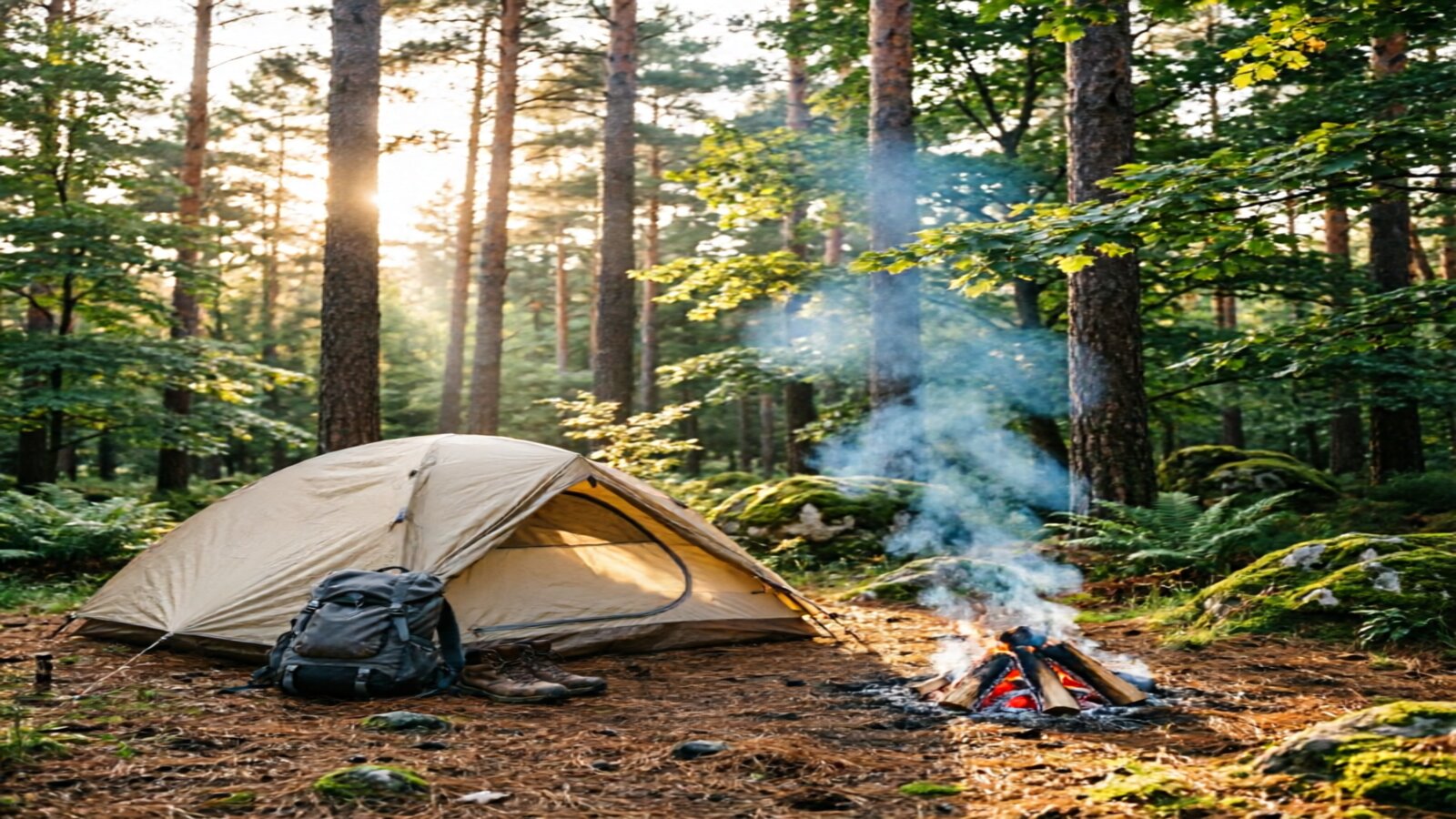
Forest camping means setting up camp in wooded areas — national forests, state forests, or private woodlands. It differs from other camping styles in a few key ways:
- Versus RV camping: Forest sites often have narrow access roads and low-hanging branches. Tent camping gives you more flexibility.
- Versus desert camping: Forests provide natural shade and water sources but demand more attention to wildlife and fire safety.
- Versus backcountry camping: Many forest campsites are accessible by car, so you don’t need to carry everything on your back — though remote dispersed sites may require short hikes.
Most US campers start with state park camping/ or national park camping/ before branching out to national forests, which offer more solitude and fewer rules. Forest camping also pairs naturally with backcountry camping/ if you want to hike deeper into the woods.
How to Choose the Perfect Forest Campsite
Developed Campground vs. Dispersed Camping
Developed campgrounds offer bathrooms, fire rings, picnic tables, and sometimes electricity. They cost $10–$30 per night and can be booked through Recreation.gov. These are ideal for first-timers and families.
Dispersed camping is free camping outside designated campgrounds on public land. You trade amenities for privacy and solitude. The dispersed camping guide for beginners/ covers the basics if you want to go this route.
What to Look For
- Tree cover: Provides shade during the day and wind protection at night
- Water access: A nearby stream or lake is convenient but camp at least 200 feet away
- Terrain: Flat, well-drained ground prevents puddles if it rains
- Wind protection: A natural barrier of trees or hills behind your tent
- Dead trees overhead: Avoid campsites under leaning or dead branches (called “widowmakers”)
For dispersed camping, arrive during daylight — finding a good spot in the dark is hard and potentially dangerous.
Reservations
Popular forest campgrounds fill up fast, especially on summer weekends. Book through Recreation.gov up to 6 months in advance. If you prefer spontaneity, arrive Thursday morning for the best walk-in options.
Essential Gear for Forest Camping
Forest camping requires the right gear — the canopy means less sun exposure but more shade-loving insects and cooler nighttime temperatures.
Shelter
A reliable tent is non-negotiable. Forest floors can be uneven and damp, so look for a tent with a full-coverage rainfly. Check our best camping tents/ guide for options at every price point. Pack a tarp for overhead rain protection — the best camping tarps/ include lightweight options that string easily between trees.
Sleep System
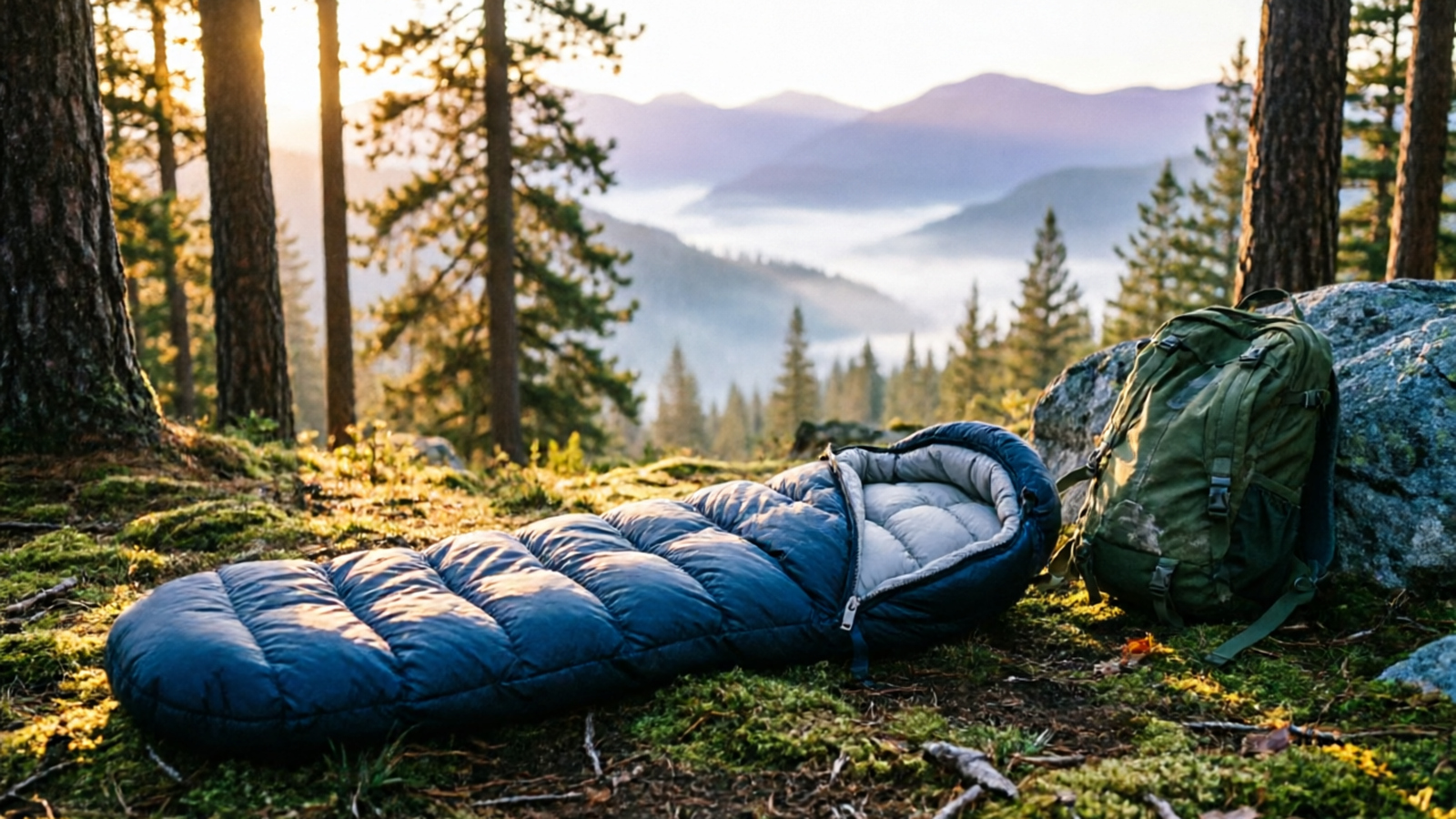
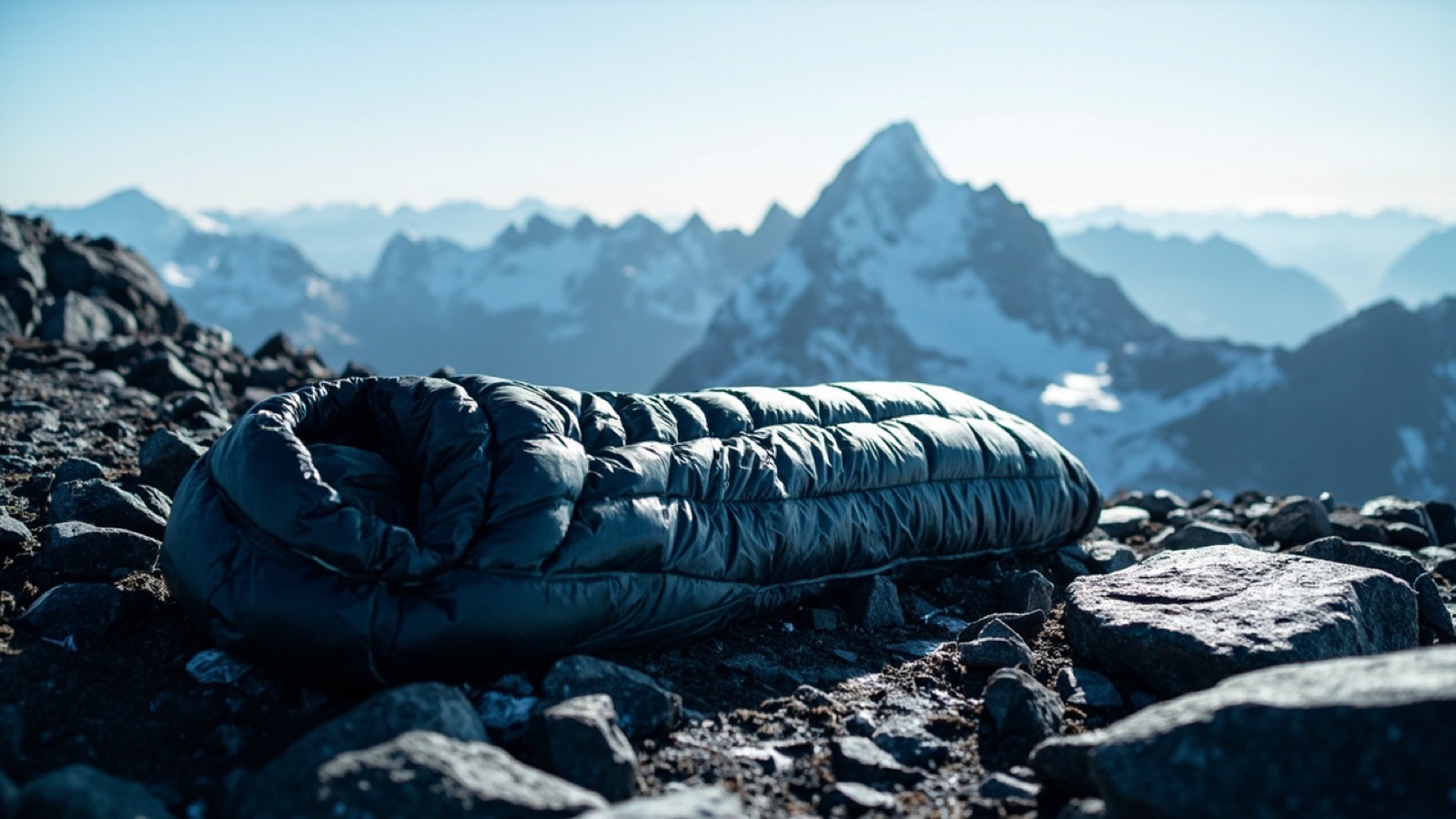
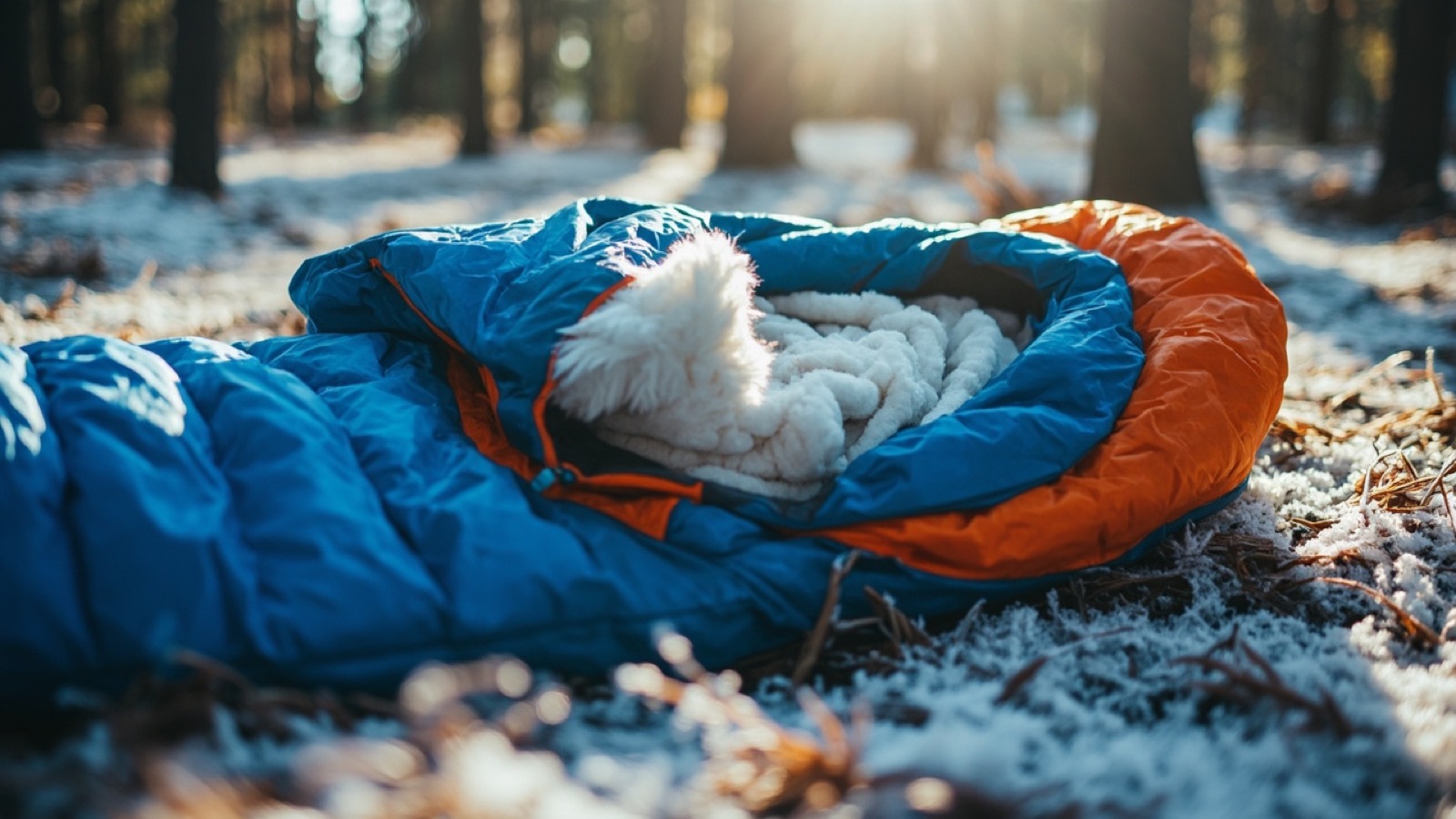
Nighttime temperatures in forests can drop 15–20°F below daytime highs. A sleeping bag rated 10°F below your expected low is a safe bet — see best camping sleeping bags/ for recommendations. Add a best camping sleeping pads/ for insulation from the cold ground.
Kitchen and Food
A portable stove works better than campfires for cooking efficiency. The best camping stoves/ include lightweight options perfect for weekend trips. A best camping coolers/ keeps perishables fresh for 2–3 days. Store all food in a vehicle or bear canister at night — never in your tent.
Lighting
Forests get dark early under tree cover. A best camping headlamps/ is essential for nighttime bathroom trips and cooking. Best camping lanterns/ provide ambient light for the campsite.
Comfort Items
A best camping chairs/ and best camping hammocks/ turn a basic campsite into a comfortable basecamp. Forests with mature trees are perfect for hammock camping.
How to Set Up Camp in a Forest
Tent Placement
Look up before you pitch your tent — see our how to set up a tent/ guide for detailed steps. Dead branches overhead can fall without warning, especially in windy conditions. Choose flat ground with good drainage — avoid the lowest point in any clearing, as water pools there after rain.
Clear debris (pinecones, rocks, branches) from your tent footprint. If you’re on a slope, sleep with your head uphill.
Tarp Setup
String a tarp between two trees at least 8 feet above your sitting area. Use a ridge line with the tarp angled to shed rain away from your living space. This is one of the most useful camping hacks/ for extending comfort in bad weather.
Fire Safety
Use existing fire rings when possible. A best camping knives/ is handy for clearing brush. Clear a 10-foot area of flammable material around any new fire ring. Keep your fire small and manageable — never leave it unattended. Check the USDA Forest Service website for current fire restrictions before your trip, and review our how to build a campfire/ guide for safe fire techniques, as many forests impose seasonal burn bans.
Food Storage
In bear country (which includes most western forests), store all scented items in a bear canister or hang a bear bag 200 feet from camp and 10 feet off the ground. In areas without bears, store food in your locked vehicle. Raccoons, mice, and jays will raid unattended coolers.
Review the camping safety tips/ guide for a complete checklist, and if you’re bringing a dog, the pet-friendly camping/ guide covers leash rules and wildlife encounters.
Wildlife Safety in the Forest
Bears
Black bears inhabit most US forests. They generally avoid humans but are attracted to food smells. Carry bear spray in grizzly country (Rocky Mountains, Alaska, parts of the Pacific Northwest) — essential forest camping gear in these regions. — talk or clap periodically so bears know you’re coming. Never run from a bear.
Snakes
Forest floors in warmer months can harbor rattlesnakes, copperheads, and other venomous species. Watch where you step and where you place your hands. Wear closed-toe shoes around camp, and use a walking stick to brush aside brush before stepping through.
Insects
Mosquitoes, ticks, and no-see-ums thrive in shaded, damp forest environments. Apply best camping sunscreens/ that include insect repellent for dual protection. Perform tick checks every evening — Lyme disease is a real risk in eastern and midwestern forests.
General Rules
- Observe wildlife from a distance (at least 100 yards for bears, 25 yards for other animals)
- Never feed wildlife — it habituates them to humans and creates dangerous encounters
- Store trash the same way you store food
- Keep children and pets close at dawn and dusk when animals are most active
Leave No Trace in the Forest
Forests are fragile ecosystems. Following Leave No Trace principles ensures these spaces stay wild for future campers.
The 7 Principles, Applied to Forest Camping
- Plan ahead: Check fire restrictions, permit requirements, and weather forecasts
- Travel on durable surfaces: Stay on established trails and campsites
- Dispose of waste properly: Pack out all trash, including food scraps. Use established bathroom facilities or dig a cathole 6 inches deep, 200 feet from water
- Leave what you find: Don’t cut live trees, carve bark, or collect wild plants
- Minimize campfire impact: Use existing fire rings, burn only small-diameter dead wood, and extinguish fires completely (cold to the touch)
- Respect wildlife: Store food properly, observe from distance, don’t feed animals
- Be considerate of others: Keep noise down, especially at night. Forest quiet is part of the experience
Campsite Restoration
Before leaving, scatter any cleared duff back over your tent footprint. Dismantle any structures you built (rock fire rings not in designated areas, lean-tos). Your goal is to leave zero evidence you were there.
Forest Camping Tips for a Better Trip
Temperature Management
Forests stay significantly cooler than open areas — often 10–15°F cooler during the day. Pack layers, including a fleece or puffy jacket even in summer. A camping packing list/ helps ensure you don’t forget warm layers.
Navigation
Forest trails can be poorly marked, and tree cover makes GPS signals unreliable in dense canopy. Carry a physical map and compass as backup. Download offline maps to your phone before you lose cell service.
Rain Preparation
Forests create their own microclimate — rain can appear suddenly and persist longer than in open terrain. A waterproof tent with a full rainfly is essential. Set up your tarp before you need it, not when the first drops fall. Store everything in dry bags.
Solo vs. Group
Solo camping/ in forests is rewarding but demands extra preparation — carry a satellite communicator, tell someone your exact itinerary, and check in daily. Group camping/ distributes the workload but requires more coordination on site selection and meal planning.
Best Forests for Beginners
- Pisgah National Forest (NC): Dense hardwood forests, well-developed forest camping campgrounds, moderate climate
- White Mountain National Forest (NH): Classic northeastern forest camping with excellent hiking
- Ottawa National Forest (MI): Quiet Midwest wilderness with lake-side forest sites
- Deschutes National Forest (OR): Ponderosa pine forests with volcanic landscapes — a top forest camping destination in the Northwest
Frequently Asked Questions
What do I need for forest camping?
Essential gear includes a tent, sleeping bag, sleeping pad, headlamp, fire starter, water filter, food storage, and a first-aid kit. Forest camping also requires bear spray in some regions.
Is forest camping safe?
Forest camping is safe when you follow basic precautions — store food properly, be aware of local wildlife, carry a first-aid kit, and tell someone your itinerary.
Can you camp in a forest for free?
Yes, dispersed camping is free on most US National Forest and BLM land. Some state forests also allow primitive camping at no cost.
How do I find forest camping spots?
Use Recreation.gov for developed campgrounds, the USDA Forest Service website for dispersed camping info, or apps like Campendium and iOverlander for crowdsourced spots.
What is the best season for forest camping?
Spring through fall (May–October) is ideal for most US forests. Summer offers warm weather but more crowds; fall provides stunning foliage with fewer people.
Do I need a permit for forest camping?
Developed campgrounds may require reservations via Recreation.gov. Dispersed camping on National Forest land typically requires no permit, but check local ranger district rules.