Camping for Couples: Romantic Trips, Gear & Destinations
Plan the perfect romantic camping trip for two. Covers destinations, couples gear, campfire meals, activities, and packing tips.
Why Camping Works for Couples
Something shifts when you trade a dinner reservation for a campfire. The phones lose signal, the pace slows, and you start actually talking again. Camping strips away the usual distractions and leaves you with conversation, shared tasks, and a sky full of stars.
This guide covers everything you need to plan a romantic camping trip — from choosing the right destination to packing couples-specific gear, cooking meals together, and avoiding the mistakes that turn a getaway into a bickerfest. Whether it is your first time camping as a pair or you are seasoned outdoor partners, these practical tips will help you make the most of your time in nature.
If you are completely new to camping, start with our beginner’s camping guide for the basics before diving into couple-specific planning.
Planning Your Romantic Camping Trip
The best camping for couples trips start with honest planning. Sit down together and answer three questions before booking anything: what season works, what is your budget, and how much comfort do you both need?
Spring and fall are the sweet spots for romantic camping. Fewer crowds, cooler sleeping temperatures, and better campfire weather. Summer works too, but popular campgrounds fill up months in advance and daytime heat can drain the romance fast.
Book campsites 3-6 months ahead for popular destinations like national parks. Private campgrounds and state parks usually have shorter booking windows. If spontaneity is your style, focus on first-come-first-served sites or dispersed camping on public land.
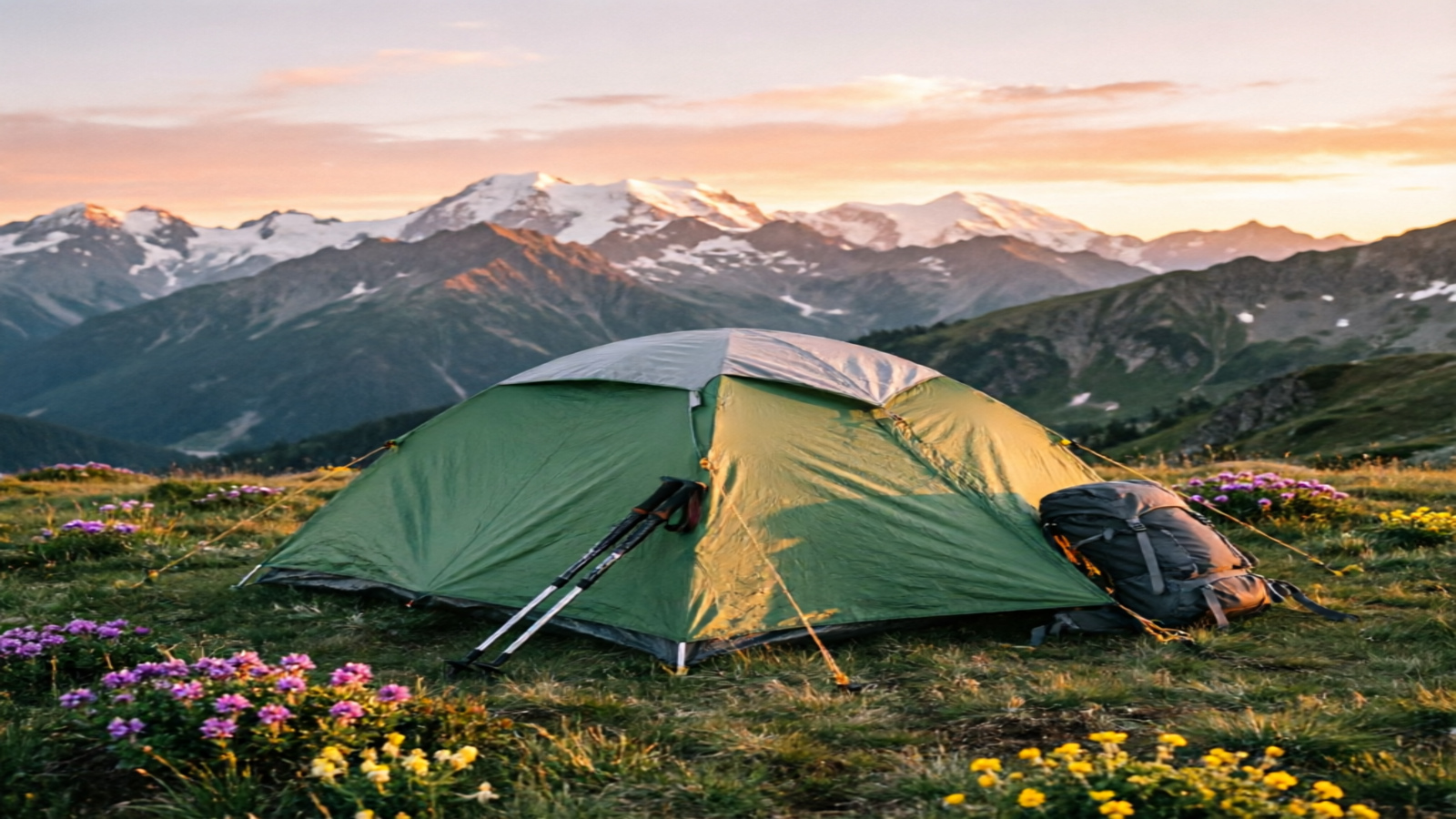
Decide your camping style as a couple. Car camping lets you bring comfort items — real pillows, a cooler full of good food, a larger tent. Backpacking strips everything to essentials and rewards you with solitude. Both can be romantic in different ways.
Best Camping Destinations for Couples
The right campsite makes or breaks a couples trip. You want privacy, scenery, and something to do together nearby.
East Coast: Acadia National Park in Maine offers rocky coastline views and carriage road biking. Seawall Campground sits on the quiet side of Mount Desert Island. Further south, Shenandoah National Park in Virginia has drive-in campsites along the Blue Ridge with sunset overlooks.
West Coast: Joshua Tree National Park in California delivers surreal desert landscapes and world-class stargazing. Hidden Valley Campground puts you among the boulder formations. Further north, Big Sur campgrounds perch above the Pacific with dramatic cliff views.
Mountains: Glacier National Park in Montana is hard to beat for raw mountain scenery. Many Glacier Campground gives you access to alpine lakes and wildlife. Rocky Mountain National Park in Colorado offers high-elevation camping with wildflower meadows in July.
Lakes: Lake Tahoe has campgrounds on both the California and Nevada sides. Look for sites near Emerald Bay for the best views. In the Midwest, the Boundary Waters in Minnesota offer canoe-in campsites with total privacy.
For more destination ideas, check our national park camping guide with tips on booking, permits, and seasonal timing.
Essential Couple’s Camping Gear
Camping for couples demands different gear than solo trips. You share weight, split tasks, and prioritize comfort because you want the experience to feel special, not punishing.
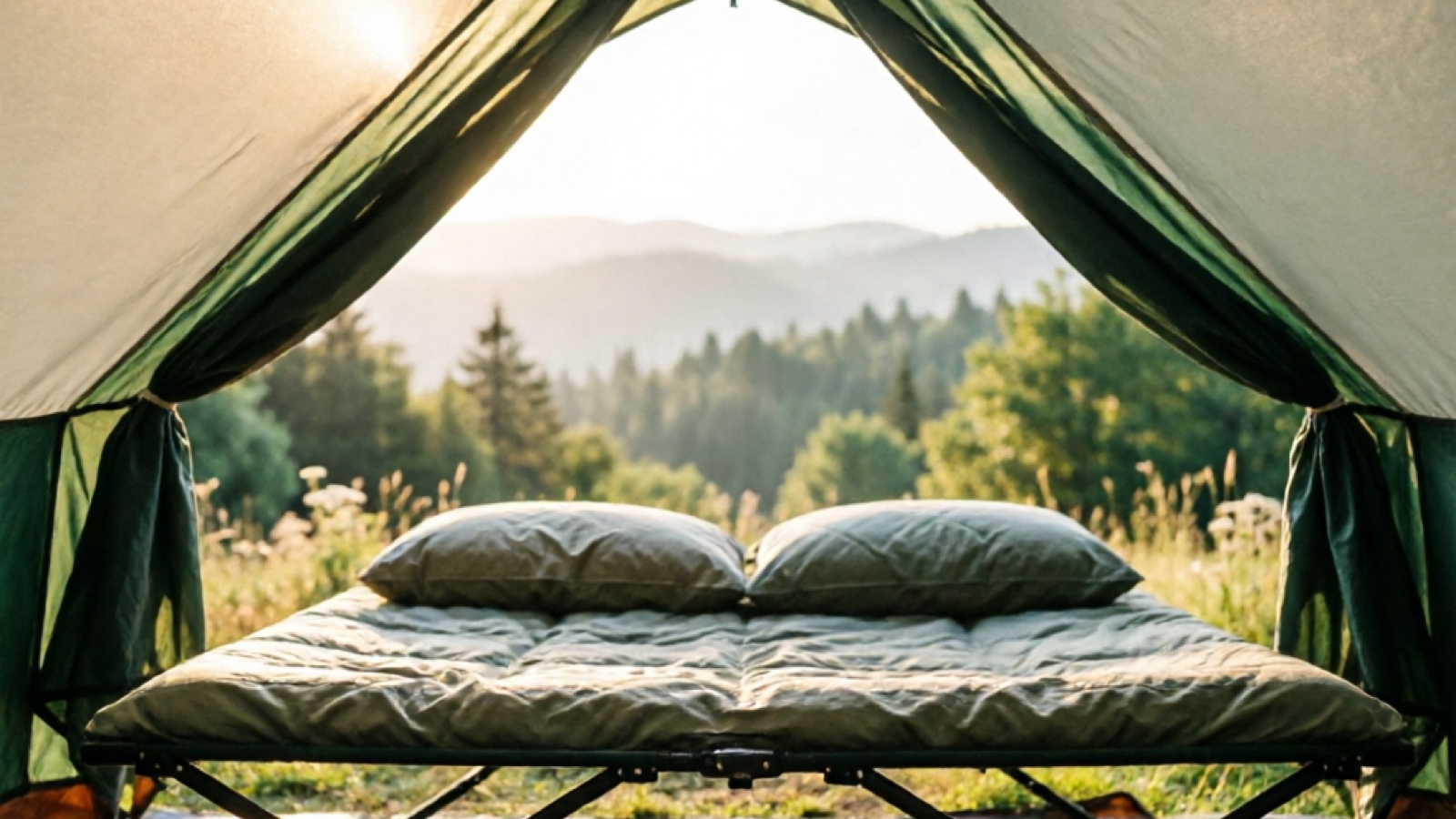
Sleeping pad: Skip the thin foam mats. A Yuzonc Double Sleeping Pad inflates to 4 inches thick with a built-in foot pump. One pad for two people means no gap in the middle and less bulk to carry. It fits a standard 2-person tent floor.
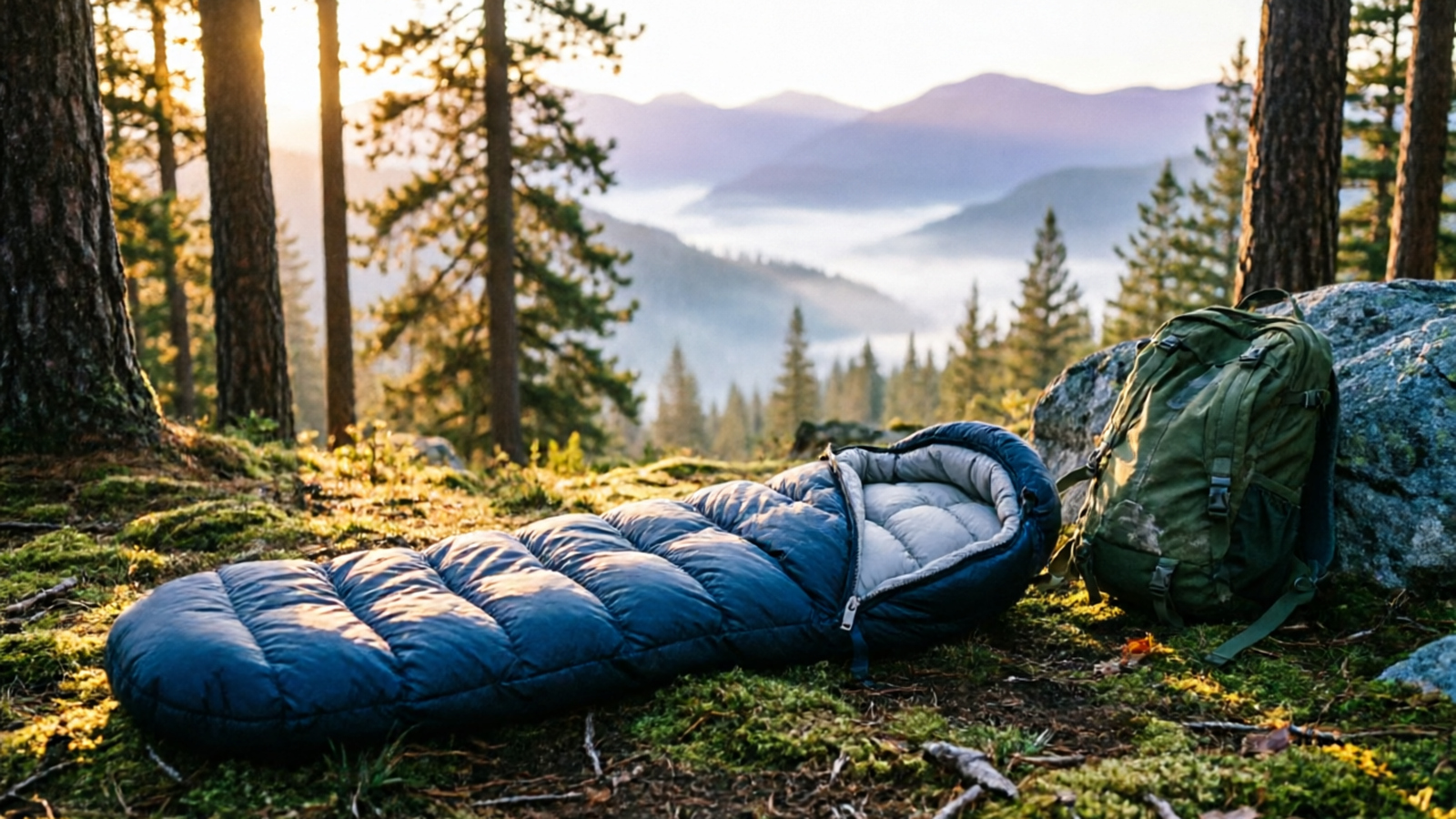
Sleeping bag: You have two options. A double bag like the MEREZA XL Queen Size keeps you both warm in one cocoon, rated for cold weather with included pillows. For warmer trips, two rectangular bags that zip together work well — and you can use them separately when camping solo.
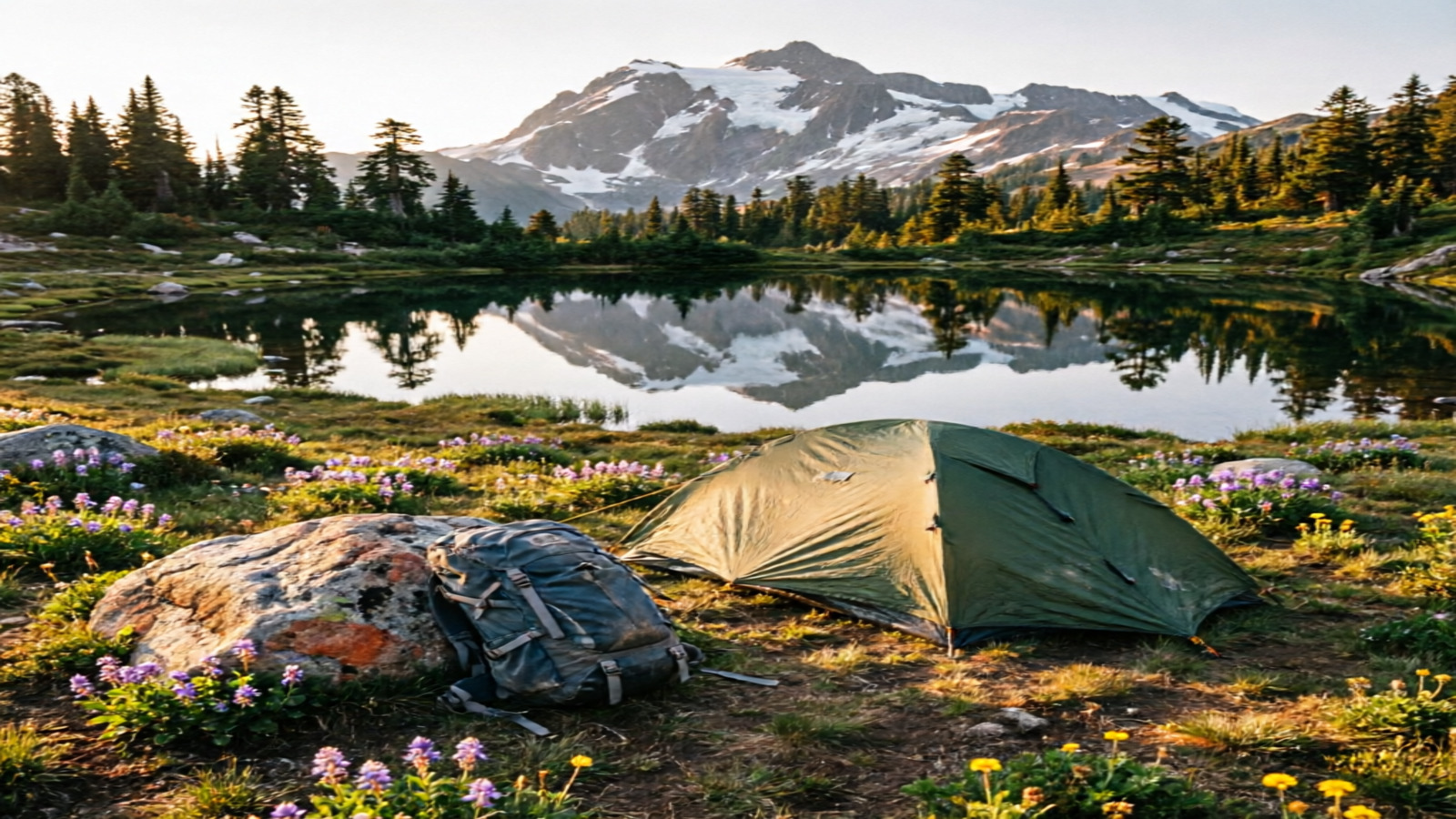
Tent: Get a 3-person tent even though there are two of you. The extra space fits your packs and gives you room to spread out. A Clostnature 2-Person Waterproof Tent is a solid budget option for car camping that handles rain and wind.
For more on choosing the right sleeping setup, see our guide on how to choose a sleeping bag. If you want specific pad recommendations, our best camping sleeping pad review covers top options tested for comfort.
What to Pack for a Couple’s Camping Trip
Beyond the basics, couples should add a few items that make the trip feel intentional rather than survivalist.
Romantic extras that actually matter:
- String lights for the campsite — the OGERY Rechargeable Camping String Lights clip to your tent awning and run for hours on a charge
- A portable speaker for dinner music — the Soundcore Boom 2 is waterproof, floats if it hits the lake, and has 24 hours of battery
- A shared journal or small notebook for trip memories
- Your favorite snacks and drinks — pack the good chocolate, not the emergency energy bars
- A deck of cards or a compact board game
Shared gear checklist:
- One first aid kit (not two)
- Shared cookset and utensils
- One water filter or purification system
- Combined toiletries in one bag
- Shared cooler with meal plan
For a complete gear list, use our camping packing list as your starting point, then add the couples extras.
Campsite Setup for Two
Setting up camp is a core part of camping for couples of the experience. Do it right and it feels like teamwork. Rush through it and it becomes your first argument of the trip.
Tent placement: Look for flat ground, morning shade, and a view if possible. Face your tent door away from neighbors and toward the best scenery. Avoid low spots where water pools if it rains.
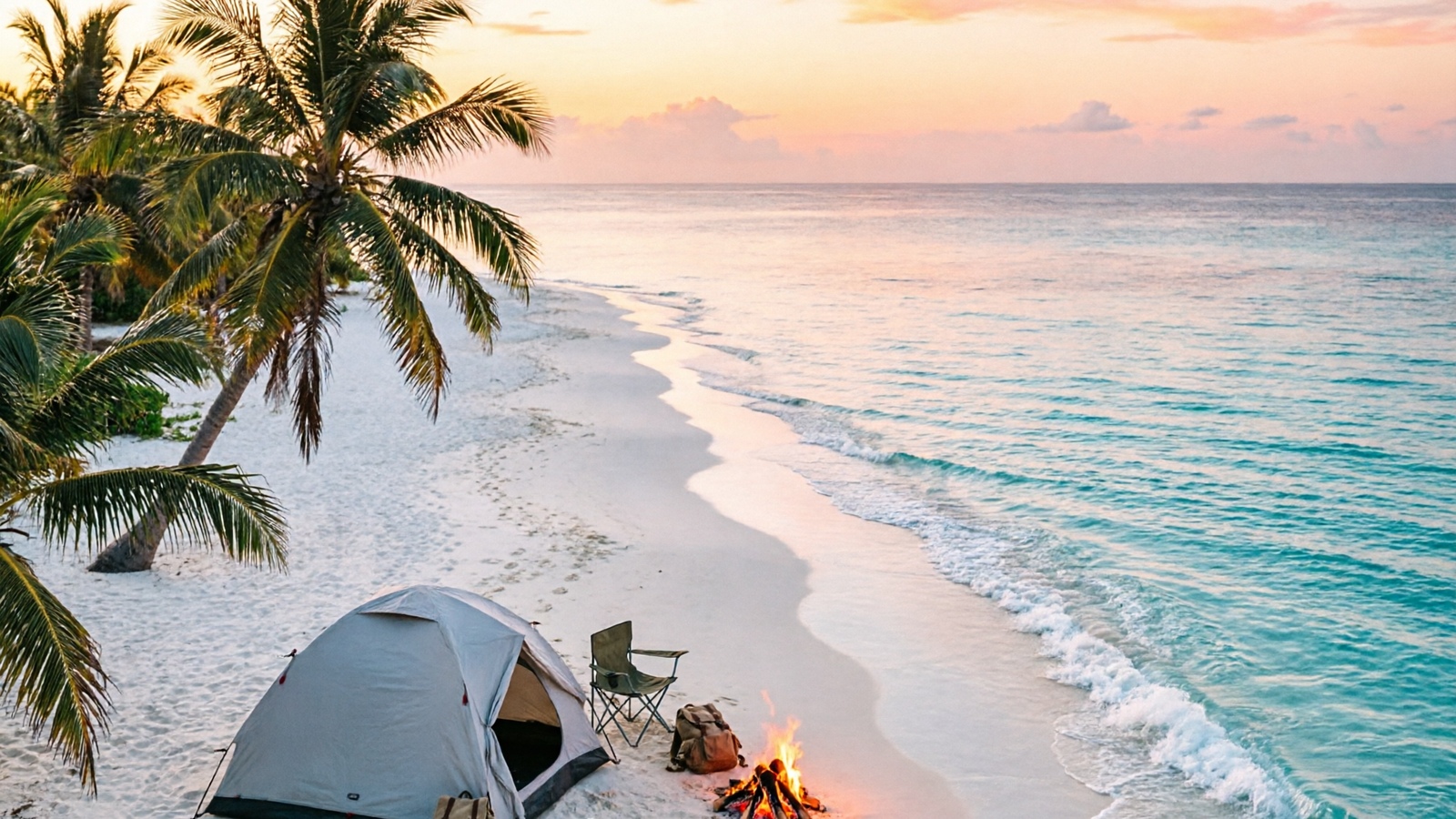
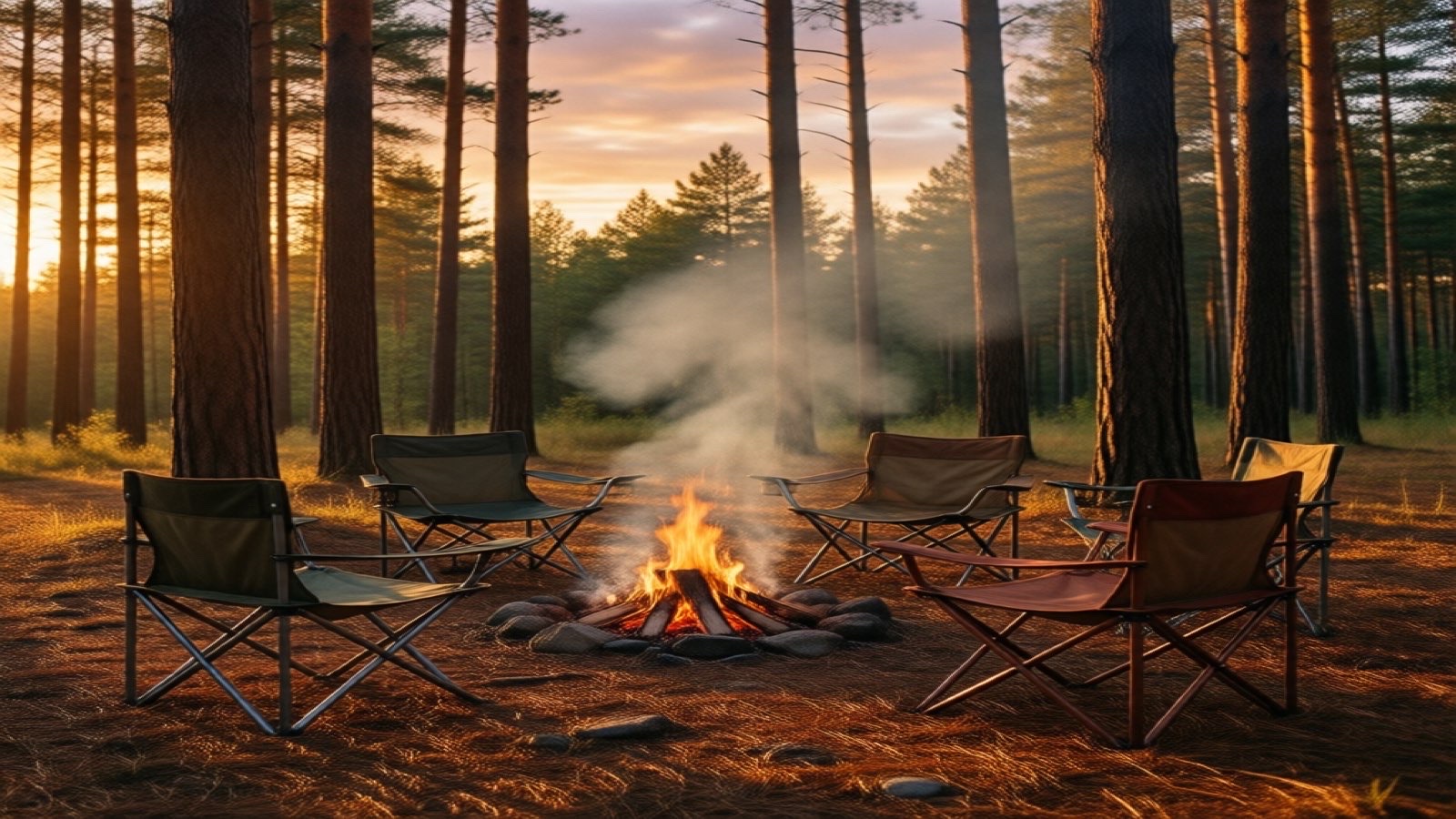
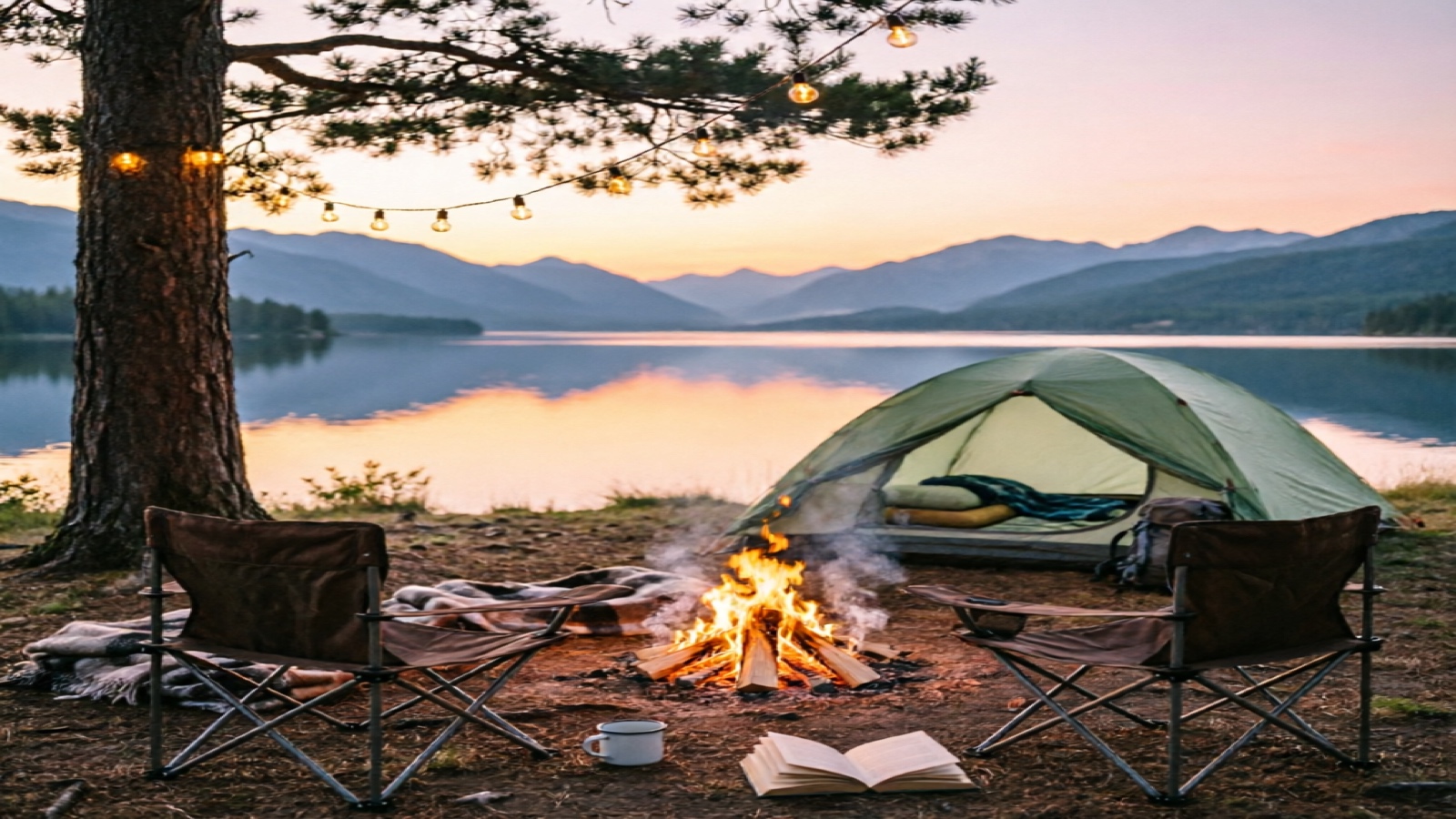
Outdoor living area: Set up two camp chairs facing the fire ring with a small table between them. String your lights from a nearby tree branch or the tent awning. Lay out a small blanket or mat between the chairs for a cozy feel.
Fire pit: Build your fire ring with intention. A smaller, hotter fire is better for cooking and ambiance than a roaring bonfire that forces you to sit far apart. Gather wood early before dark — this is a good shared task.
Organization: Designate one tent corner for shared gear, one for each person’s personal items. Keep headlamps and the first aid kit in the same spot every time so neither of you fumbles in the dark.
Romantic Campfire Meals for Two
Food is where camping for couples shines. Cooking together over a fire is inherently romantic if you keep it simple and plan ahead.
Dinner: Foil packet meals are the couples camping secret weapon. Prep ingredients at home, wrap them in heavy-duty foil, and cook directly on coals. Try lemon herb salmon with asparagus, or chicken with sweet potatoes and rosemary. Each person builds their own packet — it becomes part of the fun.
Breakfast: Beat the rush on instant oatmeal. Crack eggs into a pre-scrambled container at home, bring tortillas and cheese, and make campfire breakfast burritos in a cast iron skillet. Coffee is non-negotiable — a pour-over cone with pre-ground beans takes 5 minutes and tastes infinitely better than instant.
Dessert: S’mores are mandatory but upgrade them. Use dark chocolate, graham crackers with cinnamon, or replace the marshmallow with a roasted strawberry. If you have a Dutch oven, bake a simple cobbler using canned fruit and cake mix.
Drinks: Pack a bottle of wine (box wine saves weight and prevents broken glass). For morning, bring real cream for coffee. Hot cocoa with a splash of bourbon hits different around a campfire in October.
For more meal ideas, see our easy camping meals guide with 25 recipes that work at any campsite.
Camping Activities for Couples
The best couple camping trips balance activity with downtime. Plan one main activity per day and leave the rest open.
Hiking together: Pick trails that match both your fitness levels. A 3-mile scenic loop beats a grueling 10-mile slog if one of you is miserable. Bring a real camera or use your phone in portrait mode during golden hour — the lighting makes everything look better.
Stargazing: Download a sky map app before you lose signal. Lie on your backs on a blanket and actually learn a few constellations. If your campsite is dark enough, you will see the Milky Way — something most people never experience.
Water activities: Rent a tandem kayak, go swimming, or just wade in a creek with your morning coffee. Water naturally creates shared experiences.
Photography: Golden hour (the hour after sunrise and before sunset) makes everything look cinematic. Take turns photographing each other, then put the phones away.
Campfire time: This is where the magic happens. No screens, no distractions. Bring camping games for couples — conversation starters, card games, or just good questions. Ask each other things you normally do not make time for.
Common Mistakes Couples Make Camping
Learn from other couples’ disasters.
Overpacking: New couples especially bring too much stuff. Every item you pack is an item you carry, unpack, repack, and carry again. Stick to the essentials plus 2-3 comfort items. You do not need three changes of clothes per day.
Choosing the wrong campsite: A site next to the bathroom seems convenient until you hear the door slam all night. Sites near the entrance get headlight blast from late arrivals. Walk the campground loop before picking your spot.
Not testing gear: Inflate your sleeping pad at home. Set up the tent in the backyard. Make sure the stove works. Equipment failures on a couples trip create stress fast. Test everything the weekend before.
Skipping the weather check: A light rain can be cozy. A thunderstorm with 40mph winds is not romantic. Check the forecast for your specific location, not the nearest town. Mountain weather changes fast.
Forgetting comfort items: The difference between a good trip and a great one often comes down to a pillow from home, real coffee, and a pair of comfortable camp shoes. These small comforts matter more when you are sharing the experience with someone.
Camping on a Budget as a Couple
Camping for couples is one of the most affordable trips you can take. A weekend for two can cost less than one night at a mid-range hotel.
Campsite fees: National forest dispersed camping is free. State parks typically charge $15-25 per night. Private campgrounds run $25-50. Split between two people, even the priciest option is affordable.
Borrow before you buy: Do not invest in a full gear kit for your first trip. Borrow a tent from a friend, rent sleeping bags from an outdoor store, and see if you actually enjoy camping together before spending hundreds on equipment.
Shared meals: Plan meals together and split grocery costs. Prepping food at home saves money and time at camp. A cooler with pre-made meals feeds two people for a weekend for under $40.
Free activities: The best couple camping activities cost nothing — hiking, stargazing, swimming, campfire conversations. Skip the paid guided tours unless you both really want the experience.
Safety Tips for Couple Campers
Safety for camping for couples matters more when you are responsible for someone else’s wellbeing.
Communication plan: Tell someone back home your campsite name, expected return time, and vehicle description. Cell service is unreliable in many camping areas.
Bear safety for two: Store all food in bear canisters or locked vehicles. Cook at least 200 feet from your tent. In bear country, carry bear spray and know how to use it. Two people making noise on a trail is naturally safer than one.
First aid: Pack a basic first aid kit and know how to use everything in it. Include bandages, antiseptic, pain relievers, allergy medication, and tweezers for splinters. Both partners should know where it is stored.
Weather emergencies: If a thunderstorm rolls in, avoid open areas and tall trees. Stay in your tent unless flooding is a risk. Know the nearest road out of your campsite.
For comprehensive safety guidance, see our camping safety tips guide covering weather, wildlife, and emergency preparedness.
Make It Your Own
Every pair trying camping for couples adapts differently. Some thrive on minimalist backpacking trips where everything fits in one pack. Others want the car loaded with blankets, good food, and a string of lights around the campsite.
Neither approach is wrong. The point is time together without the usual noise. Start simple — a single night at a nearby state park. Add complexity as you figure out what works for both of you. The best camping trips are the ones where you drive home already talking about the next one.
Frequently Asked Questions
What's the best tent size for a couple?
A 3-person tent gives you enough room for two sleepers plus gear. A 2-person tent works for warm-weather minimalist trips but feels tight with packs inside.
Where are the most romantic places to camp in the US?
Top spots include Acadia's Seawall Campground (Maine), Hidden Valley Campground in Joshua Tree (California), and Many Glacier Campground in Glacier National Park (Montana).
How do you make camping romantic?
Pack thoughtful extras like string lights, a portable speaker for music, and your favorite trail snacks. The key is comfort and shared experience.
Is camping a good first date idea?
Camping works better as a third or fourth date. Start with a day hike or picnic first, then plan an overnight once you're comfortable together.
What should couples pack that solo campers don't need?
A double sleeping bag or two bags that zip together, a larger cooking pot, a two-person games set, and romantic extras like LED candles or a shared journal.
How do we handle disagreements while camping?
Set expectations before the trip — who handles cooking, setup, navigation. Take breaks when frustrated. The trip is about enjoying time together.