Best 4-Season Tents 2026: 8 Picks for Winter Camping
8 four-season tents researched in snow, wind, and freezing temps from $62–$269. See which winter camping tent handles the worst conditions best.
Products Reviewed
Introduction
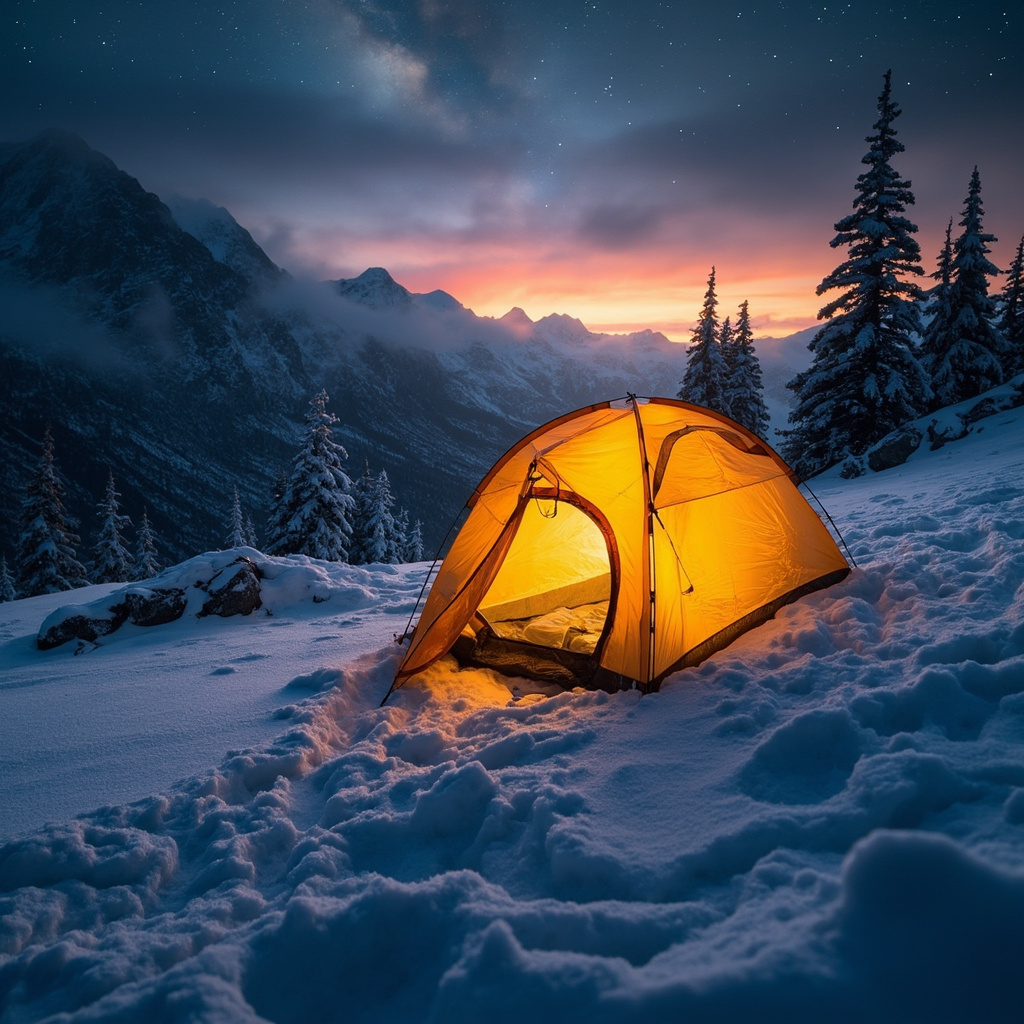
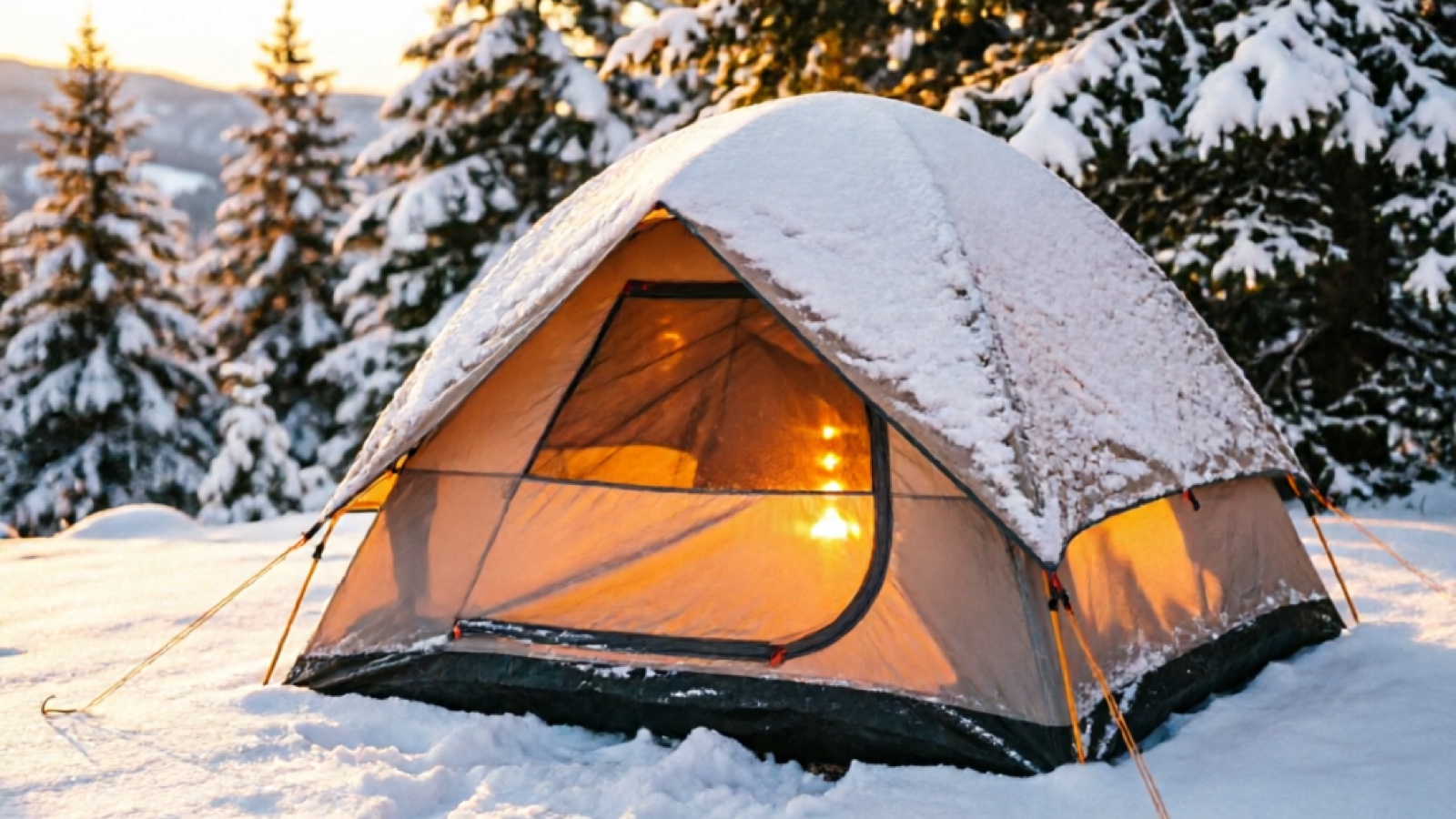
Choosing the right winter camping tent makes the difference between an unforgettable cold-weather trip and a miserable night. Winter camping has exploded in popularity, with more campers discovering quiet trails and snow-covered landscapes. But a regular summer tent won’t cut it when temperatures drop below freezing and snow starts piling up.
The difference between a comfortable night and a miserable (or dangerous) one comes down to your shelter. A proper winter camping tent needs stronger poles to handle snow loads, a full-coverage rainfly that blocks wind-driven snow, and reduced mesh panels to trap body heat. Most 3-season tents flex, leak, and let heat escape in those conditions.
We researched eight options ranging from $62 budget picks to a $269 hot tent with a wood stove jack. Each winter camping tent was evaluated on cold-weather performance, build quality, ease of setup, and value. Whether you’re a first-time winter camper or a seasoned explorer, this guide will help you find the right winter camping tent for your budget. For general-purpose options, see our best camping tents guide — most are 3-season designs. Pair with our sleeping bag guide for complete warmth.
Quick Answer
Best Overall: GEERTOP Lightweight 2P 4 Season Tent — $117.99. The most proven 4-season tent with a double-layer design that handles snow and high wind reliably.
Best Budget: Forceatt 2/3 Person 4 Season Tent — $62.04. Hard to beat at this price for a functional cold-weather shelter.
Best Durability: ALPS Mountaineering Lynx 2P — $149.99. Built with 75D fabric and factory-sealed seams that hold up for years.
Best Premium: Naturehike Massif Hot Tent — $269.10. The only tent in our lineup with a stove jack for serious cold-weather camping.
Best for Families: GEERTOP 4P 4 Season Backpacking Tent — $179.99. True 4-person capacity with a double-layer build proven in freezing conditions.
Quick Comparison
| Product | Price | Rating | Capacity | Season | Weight | Best For |
|---|---|---|---|---|---|---|
| GEERTOP 2P 4 Season | $117.99 | 4.5★ | 2 Person | 4 Season | ~6.4 lbs | Best Overall |
| ALPS Lynx 2P | $149.99 | 4.7★ | 2 Person | 3-4 Season | ~5.5 lbs | Best Durability |
| Clostnature 2P 4 Season | $75.99 | 4.6★ | 2 Person | 4 Season | ~6.2 lbs | Best Budget Pick |
| OneTigris Stella 2P | $84.99 | 4.6★ | 2 Person | 4 Season | ~6 lbs | Best Features |
| Forceatt 2/3P | $62.04 | 4.6★ | 2-3 Person | 3-4 Season | ~5.7 lbs | Best Value |
| Forceatt 2/3/4P Pro | $89.99 | 4.5★ | 2-4 Person | 3-4 Season | ~7.5 lbs | Best 4-Person Option |
| GEERTOP 4P 4 Season | $199.99 | 4.3★ | 4 Person | 4 Season | ~8.5 lbs | Best for Families |
| Naturehike Massif Hot Tent | $269.10 | 4.3★ | 2-4 Person | 4 Season | ~8 lbs | Best Premium |
Product Reviews — Full Reviews
Best Overall: GEERTOP Lightweight 2P 4 Season Tent — $117.99
The GEERTOP Lightweight 2P is the most proven cold-weather tent we researched. Its double-layer design with a full-coverage rainfly handles snow accumulation and rain without issue. The aluminum poles resist bending in sub-freezing temperatures where fiberglass would fail.
What we like:
- Free-standing design lets you reposition the tent after setup without restaking — useful when you need to adjust for wind direction.
- Full rainfly extends to the ground, blocking wind-driven snow and retaining heat inside.
- The double-layer construction (separate inner mesh tent + outer fly) manages condensation better than single-wall designs.
What could be better:
- Tight fit for two adults with winter gear. Works best as a solo winter tent or for one adult plus a child.
- No vestibule means wet boots and gear stay outside or crowd the sleeping area.
- Rainfly clips are small and fiddly to attach with cold fingers or gloves.
For campers who want one reliable winter camping tent without spending over $120, the GEERTOP 2P delivers proven cold-weather performance at a fair price.
Best Durability: ALPS Mountaineering Lynx 2P — $149.99
The ALPS Lynx 2P earns the durability crown with 75D 185T taffeta fabric and factory-sealed seams ready for rain out of the box. Users consistently report 5+ years of regular use without pole failures or seam leaks.
What we like:
- Two doors and two vestibules make entry and exit easy, especially at night when climbing over your partner is the last thing you want to do.
- Factory-sealed seams eliminate the need for DIY seam sealing before your first trip.
- Interior pockets and a mesh loft keep gear organized and off the tent floor.
What could be better:
- Rated as a 3-season tent with 3-4 season capability. It handles light snow but isn’t designed for heavy snow loads or extreme cold.
- Vestibules are small — barely enough for a pair of boots, not large backpacks.
- The rainfly doesn’t extend fully to the ground, leaving a gap that lets cold air and wind sneak in at the bottom.
For mild winter conditions (above 20°F, light snow), the Lynx 2P is the most durable shelter that will last for years of use across all four seasons.
Best Budget Pick: Clostnature Lightweight 2P 4 Season — $75.99
At $75.99, the Clostnature is the cheapest true 4-season tent that actually performs in cold weather. Its 4000mm waterproof coating outperforms most competitors at twice the price, and the double-layer design separates the sleeping area from the rainfly for better condensation management.
What we like:
- Setup is straightforward — most users report practicing at home in under 10 minutes before taking it on trips.
- The 4000mm waterproof rating means serious water resistance for heavy rain and melting snow.
- Affordable enough that scouting families can buy multiple units to outfit the whole group.
What could be better:
- The floor material is thin. You need a footprint for rocky or frozen ground to prevent punctures.
- Zippers are basic quality — be gentle with them in sub-freezing temps when plastic gets brittle.
- Poles are thinner aluminum than premium options. Adequate for normal snow loads but not bomber.
The Clostnature is the right winter camping tent for beginners who want to try cold-weather camping without a big investment.
Best Features: OneTigris Stella 4 Season 2P — $84.99
The OneTigris Stella stands out with dual doors — one on each side — so neither camper has to climb over the other to get out. The mesh doors provide summer ventilation while solid panels retain warmth in winter, making this one of the most versatile options in our lineup.
What we like:
- Two doors eliminate the awkward over-your-partner exit that single-door tents force in the middle of the night.
- A small vestibule adds storage space for wet boots and gear that other tents in this price range lack.
- The tent holds heat well, confirmed by Appalachian Trail section hikers who used it through winter stretches.
What could be better:
- Like most 2-person winter tents, it’s tight for two adults with bulky cold-weather gear.
- The vestibule is tiny — it fits one pair of boots but not much else.
- Rainfly clips can be stiff and hard to operate in sub-freezing temperatures.
For the price, the dual-door design and vestibule make the Stella the best-feature winter tent under $90.
Best Value: Forceatt 2/3 Person 4 Season — $62.04
The Forceatt 2/3P is the most affordable winter camping tent in our lineup. At just $62.04, it offers a functional cold-weather shelter with instant setup that works in under two minutes — a real advantage when your fingers are numb.
What we like:
- Instant setup design means you can pitch it quickly even in bad weather with frozen fingers.
- At 5.7 lbs, it’s packable enough for short backpacking trips, not just car camping.
- The price is hard to argue with — it costs less than most sleeping pads.
What could be better:
- Not freestanding — you must stake it down for stability. Harder to set up on frozen or rocky ground.
- Single door design means the second person has to climb over or squeeze past for entry and exit.
- Floor material is thin. Pair it with a footprint for any trip where the ground isn’t soft.
If your budget is tight and you need a winter tent that works, the Forceatt 2/3P gets the job done for the lowest price of any option here.
Best 4-Person Option: Forceatt 2/3/4P Professional — $89.99
When you need to fit more than two people, the Forceatt Professional steps up with 2-4 person capacity at a reasonable price. Dual mesh windows provide ventilation control, and the professional waterproof rating handles heavy rain and moderate snow.
What we like:
- Versatile capacity works for solo campers who want extra space, couples with lots of gear, or small families.
- Dual mesh windows let you manage ventilation — crack them for airflow or close them to retain heat.
- At $89.99 for 4-person capacity, the per-person cost is the lowest in our lineup.
What could be better:
- At 7.5 lbs, this is best suited for car camping rather than backpacking.
- Pole quality is adequate but not up to the standard of premium winter tents.
- Rainfly coverage could be more comprehensive — some gap areas let wind-driven moisture in.
The Forceatt Professional is the right pick when you need an affordable winter camping tent that fits a small group or family.
Best for Families: GEERTOP 4P 4 Season Backpacking Tent — $179.99
The GEERTOP 4P brings true 4-person capacity to cold-weather camping. Users report using this tent across extreme conditions — from 110°F desert camping to freezing mountain trips — which speaks to its versatility and build quality.
What we like:
- Double-layer construction with full rainfly and snow skirt capability provides genuine winter protection for four people.
- Setup is straightforward enough that users report pitching it in the dark without issues.
- The 4-person capacity is real — it fits a family of three to four with reasonable comfort.
What could be better:
- At ~8.5 lbs, this is a car camping tent. Too heavy for backpacking trips.
- Not freestanding — requires staking for stability, which is harder on frozen or rocky ground.
- Condensation builds up on the inside of the rainfly, typical of double-layer designs but worth managing.
For families who camp together in winter, the GEERTOP 4P offers the best combination of true 4-person space and 4-season protection.
Best Premium: Naturehike Massif Hot Tent with Stove Jack — $269.10
The Naturehike Massif is the only tent in our lineup with a wood stove jack, making it the choice for serious winter campers who want interior heat. With the stove running, this tent becomes genuinely warm — not just less cold — in sub-zero conditions.
What we like:
- The stove jack lets you run a portable wood stove inside, transforming the tent from a windbreak into a heated shelter.
- Naturehike is a recognized outdoor brand with a reputation for quality materials and construction.
- 2-4 person capacity works for solo campers who want ample space or small groups sharing stove heat.
What could be better:
- At $269.10, it costs 3-4 times more than budget options. The stove itself is sold separately.
- At ~8 lbs, it’s strictly a car camping shelter.
- Hot tent camping is a niche activity — if you don’t plan to use a stove, you’re paying for a feature you won’t use.
If you camp in extreme cold regularly and want actual warmth rather than just wind protection, the Naturehike Massif with a wood stove is the only serious option in this price range.
How to Choose a Winter Camping Tent
3-Season vs 4-Season: What’s the Real Difference?
The gap between 3-season and 4-season tents comes down to five factors. Pole material: 4-season tents use aluminum poles that resist snapping under snow loads, while budget 3-season tents often use fiberglass that becomes brittle in cold. Rainfly coverage: a 4-season rainfly extends to the ground and blocks wind-driven snow; 3-season rainflies often stop above the tent body. Mesh ratio: 4-season tents minimize mesh panels to trap heat, while 3-season tents maximize mesh for airflow. Snow load capacity: 4-season pole structures are engineered to support accumulated snow without collapsing. Wind resistance: lower profiles and stronger pole configurations help 4-season tents survive gusts that would bend or break 3-season designs.
Single-Layer vs Double-Layer Construction
Single-layer (single-wall) tents are lighter and simpler but trap moisture from breath and sweat against the inner wall. They work best with a wood stove running, which actively dries the interior. Double-layer tents have a breathable inner mesh body and a separate waterproof fly, letting moisture escape between layers. For most campers who don’t use a stove, a double-layer winter camping tent is the better choice because condensation management makes a bigger difference in comfort than saving a pound of weight.
Capacity Sizing for Winter
Size down by one person from summer tent recommendations. A 2-person winter tent realistically fits one adult with winter gear — a bulky sleeping bag, insulated pad, extra clothing layers, and boots. A 4-person winter camping tent fits two people with gear comfortably. Winter gear simply takes more space than summer kit. If you’re a larger person or use a wide sleeping pad, consider going up one size from the recommendation above.
Weight and Portability
Car camping tents can weigh up to 10 lbs without causing problems — you’re carrying them from trunk to campsite, not on your back. Backpacking winter tents should stay under 6 lbs, but that weight limit comes with trade-offs in fabric durability and pole strength. If you need a lighter option for 3-season trips, see our best backpacking tent guide. Packed size also matters: winter gear kits are already bulky, so a tent that compresses small helps when you’re loading a pack or trunk.
Waterproof Ratings and Snow Skirts
Waterproof ratings measured in millimeters indicate how much water pressure the fabric can withstand before leaking. A 3000mm rating handles heavy rain; 4000mm adds margin for melting snow sitting on your winter camping tent roof. Snow skirts — fabric extensions that wrap around the tent base — prevent wind from blowing snow under the rainfly. Not all 4-season tents include snow skirts, but they make a real difference in keeping your winter camping tent livable in deep snow conditions.
Ventilation vs Warmth Trade-off
Even in freezing weather, you need ventilation. Your breath and sweat produce moisture that condenses on cold surfaces. Without upper vents or mesh panels, that moisture has nowhere to go and drips back onto you and your sleeping bag. The best winter camping tents balance warmth and airflow with adjustable vents and strategic mesh panels that can be covered or uncovered depending on conditions.
Winter Tent Safety Tips
Never use a camping stove inside a tent that isn’t designed for it. Carbon monoxide poisoning kills — non-hot tents lack the ventilation and flame-retardant materials needed for safe stove use. If you want interior heat, buy a hot tent with a proper stove jack like the Naturehike Massif.
Stake your tent properly in snow. Regular stakes pull out easily in loose snow. Use snow anchors (buried objects or filled stuff sacks) or deadman anchors — tie guylines to a log or rock and bury it in snow. Clear accumulated snow from your winter camping tent roof periodically to prevent collapse under the weight. Keep your tent entrance clear at all times so you can exit quickly in an emergency.
Frequently Asked Questions
Can I use a 3-season tent for winter camping?
Only in mild conditions above 30°F with no snow. For anything colder or with snow accumulation, a 4-season tent is strongly recommended. The stronger poles, full-coverage rainfly, and reduced mesh make a real difference in comfort and safety.
What is a 4-season tent and how is it different from 3-season?
A 4-season tent uses aluminum poles, extends the rainfly to the ground, minimizes mesh panels, and often includes a snow skirt. These features let it handle snow loads, high wind, and sub-freezing temperatures that would overwhelm a 3-season design.
How warm does a 4-season tent keep you?
Tents don’t generate heat — they trap your body heat. Expect the interior to be roughly 10-15°F warmer than outside in calm conditions. Pair your winter camping tent with a sleeping bag rated 10-15°F below expected lows and a pad with R-value 4.0 or higher for real warmth.
Do I need a footprint for winter camping?
Yes. Frozen ground conducts heat away from your body faster than cold air. A footprint adds insulation and protects the tent floor from ice and sharp frozen debris.
How do I prevent condensation in a winter tent?
Open upper rainfly vents even in cold weather. Don’t bring wet gear inside or cook in the tent. Choose a double-layer tent which lets moisture escape between layers. Some condensation is unavoidable — wipe down the inner tent before packing.
What size winter tent do I need?
Size down one person from summer recommendations. A 2-person tent fits one person with winter gear. A 4-person winter camping tent fits two people with gear. Bulky sleeping bags and insulated pads take significantly more space than summer kit.
References
- REI Co-op: How to Choose a Tent
- CleverHiker: Best Tents of 2026
- Section Hiker: Winter Backpacking Tent Guide
- 知乎: 冬季露营帐篷怎么选
- 什么值得买: 四季帐篷推荐评测
- 小红书: 雪地露营装备清单
Frequently Asked Questions
Can I use a 3-season tent for winter camping?
Most 3-season tents lack the pole strength, full-coverage rainfly, and reduced mesh panels needed for snow loads and high winds. While a 3-season tent works in mild winter conditions (above 30°F with no snow), dedicated 4-season tents have stronger aluminum poles, double-layer construction, and snow skirts that 3-season designs don't offer. For temperatures below 20°F or any snow accumulation, a 4-season tent is strongly recommended.
What is a 4-season tent and how is it different from 3-season?
A 4-season tent is built for year-round use including winter. Key differences from 3-season tents: stronger aluminum poles (vs fiberglass) that resist bending under snow loads, full-coverage rainfly that extends to the ground, reduced mesh panels to retain heat, double-layer construction with separate inner tent and outer fly, and often a snow skirt at the bottom. 4-season tents weigh more but provide protection that 3-season tents cannot in snow, high wind, or sub-freezing temperatures.
How warm does a 4-season tent keep you?
Tents don't generate heat — they trap your body heat. A 4-season tent with full rainfly and reduced mesh retains significantly more body heat than a 3-season tent, typically making the interior 10-15°F warmer than outside in calm conditions. In wind, the difference is even more dramatic because 4-season tents block drafts. For comfort below 20°F, pair your winter camping tent with a proper sleeping bag rated 10-15°F below expected temps and a sleeping pad with R-value 4.0+.
Do I need a footprint for winter camping?
A footprint is essential for winter camping. Cold ground conducts heat away from your body faster than cold air — a footprint adds an insulation layer between you and frozen ground. It also protects your tent floor from ice, rocks, and sharp frozen debris that can puncture thin tent floors in cold weather when materials become brittle. Most tent manufacturers sell matching footprints, or you can use a heavy-duty tarp cut to size (tuck edges under the tent, don't let them extend beyond the rainfly to prevent water pooling).
How do I prevent condensation in a winter tent?
Condensation is the biggest challenge in winter camping tents. To reduce it: vent your tent by opening upper rainfly vents even in cold weather, avoid bringing wet gear inside, don't cook inside the tent (creates moisture), use a single-wall tent only with a stove for active drying, and choose a double-layer tent (inner mesh + outer fly) which allows moisture to escape between layers. Some condensation is unavoidable — wipe down the inner tent with a towel before packing.
What size winter tent do I need?
For winter camping, size down by one person from summer recommendations. A 2-person tent fits one person comfortably with winter gear (sleeping bag, extra clothing, boots). A 4-person tent fits two people with gear. Winter gear takes up significantly more space than summer gear due to bulky sleeping bags, insulated pads, and extra layers. If you're a large person or have a large sleeping pad, go up one size.