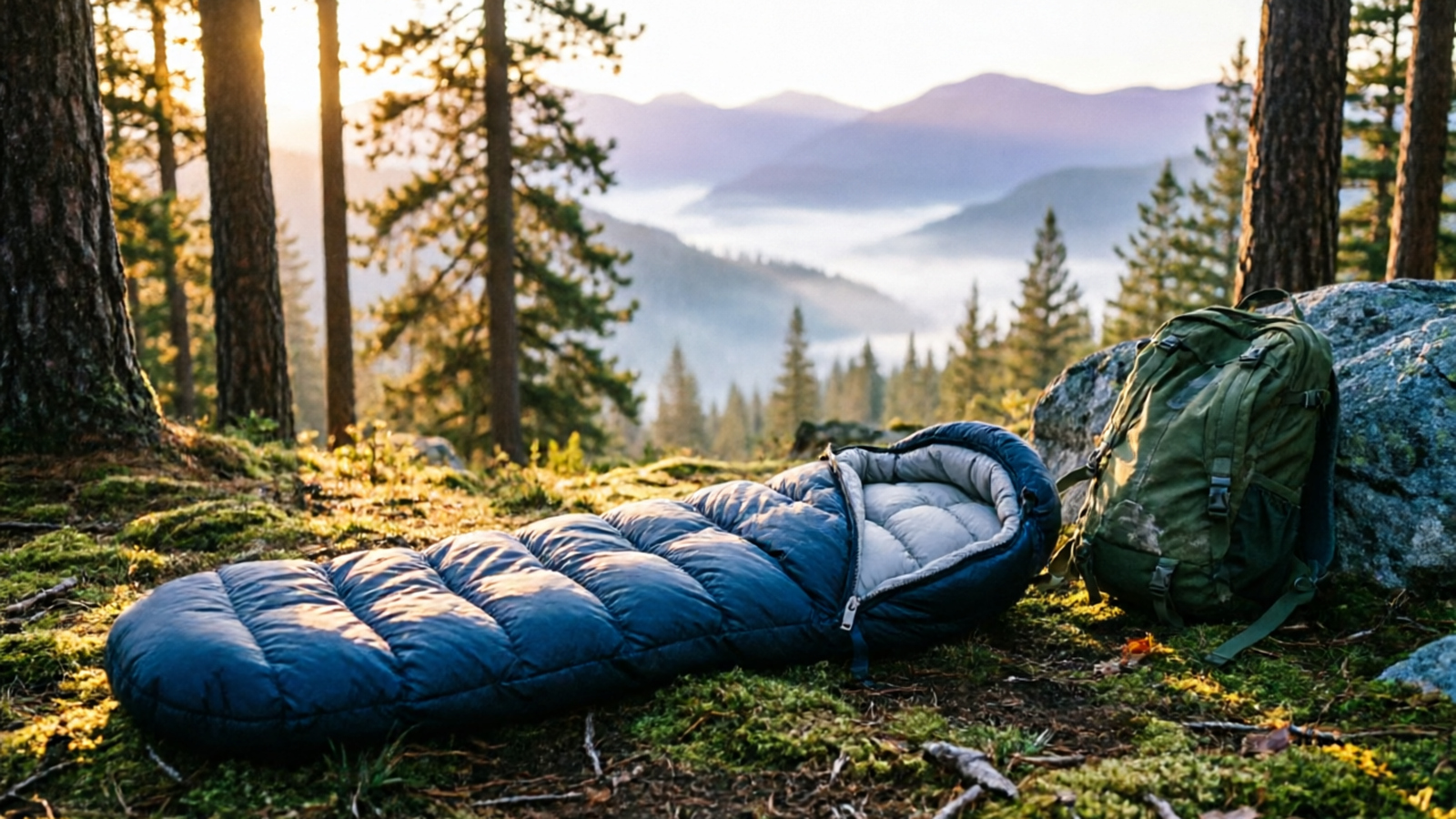
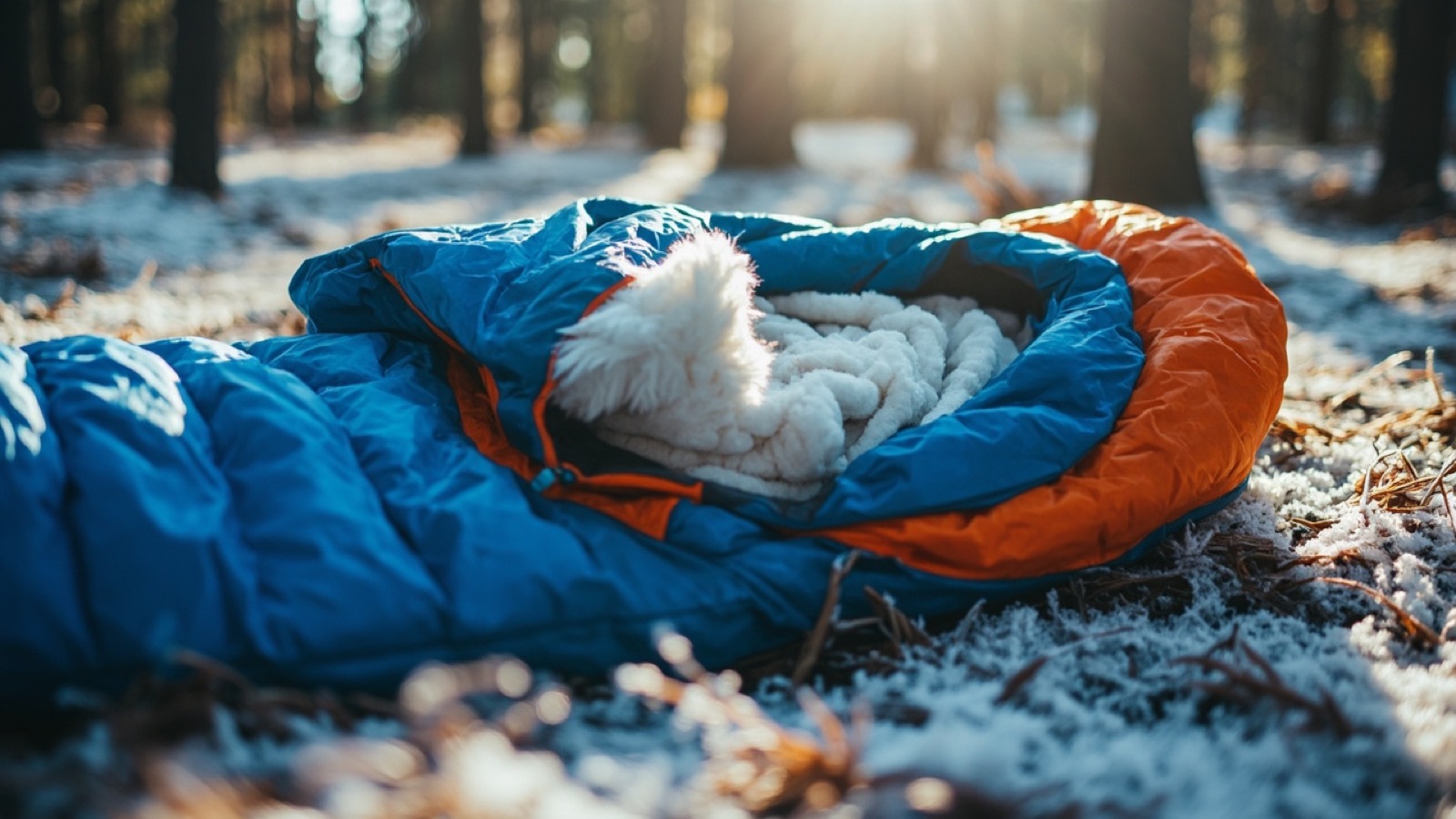
7 Best Synthetic Sleeping Bags for 2026: Tested for Warmth + Value
7 best synthetic sleeping bags for 2026. Tested for warmth, weight, and value. Budget to premium tiers. Dries fast and stays warm when wet.
A synthetic sleeping bag is the budget-friendly, wet-climate-friendly alternative to down. The right synthetic bag keeps you warm when wet (down doesn’t) and costs 30-50% less than comparable down bags.
We researched 8 top synthetic bags — comparing fill types, temperature ratings, weight, and durability across Kelty, Teton, MalloMe, and others. Here are the 7 best synthetic sleeping bags for 2026, from $30 budget to $120 premium.
For other bag types, see our down sleeping bag guide, mummy sleeping bag guide, and double sleeping bag guide.
Why Choose Synthetic Over Down
Down is better warm-to-weight, but synthetic wins on 4 key metrics:
1. Cheaper: synthetic bags cost 30-50% less than down. $60 synthetic bag = $120 down bag for same warmth.
2. Warmer when wet: synthetic retains 70-90% of loft when wet. Down loses ~70% of loft when wet (becomes useless).
3. Easier to clean: machine washable without special soap. Down requires down-specific wash + 6 hours of tumble drying.
4. Hypoallergenic: synthetic doesn’t trigger feather allergies (some people are sensitive).
Down wins: 30-50% lighter, more compressible, longer lifespan with care.
For most 3-season camping, synthetic is fine. For winter camping, long-distance backpacking, or sub-freezing trips, down is the answer.
Fill Type Comparison (Polyester vs PrimaLoft vs Climashield)
| Fill | Quality | Warmth When Wet | Cost | Best For |
|---|---|---|---|---|
| Polyester fiberfill | Mid | Best | $ | Most budget bags |
| PrimaLoft | Premium | Best | $$$ | Performance synthetic |
| Climashield Apex | High-end | Best | $$$ | Premium backpacking |
| Continuous filament | Mid | Best | $$ | Mid-tier bags |
For most campers: polyester fiberfill is fine. For premium performance, PrimaLoft or Climashield.
7 Best Synthetic Sleeping Bags Ranked
Best Budget Classic — MalloMe Sleeping Bags ($29.99)
Best for: Entry-level campers on a tight budget.
This is MalloMe’s budget workhorse — a waterproof-shelled bag rated 50-77°F for three seasons of camping.
Pros:
- $29.99 — cheapest in our roundup
- Rated 50-77°F — spring through fall
- Waterproof outer shell, machine washable
- Fits adults up to 6 ft at ~3 lbs
- Snag-free double-sided zippers + compression sack
Cons:
- 50-77°F rating — warm-weather use, not for cold nights
- ~3 lbs packed — heavier than mummy equivalents
Bottom line: Best budget classic.
Buy on Amazon: MalloMe Sleeping Bags
Best Mid-Range — Kelty Cosmic 40 Synthetic ($74.99)
Best for: 3-season backpackers on budget.
This 40°F mummy synthetic bag balances weight and warmth.
Pros:
- $74.99 mid-tier
- 40°F rated
- 2 lbs 6 oz total weight
- Hooded mummy design
- Integrated compression stuff sack
Cons:
- Heavier than down equivalent (2.4 vs 2.0 lbs)
- Synthetic fill (not down)
- Regular length fits sleepers up to 6 ft
Bottom line: Best mid-range 3-season synthetic.
Buy on Amazon: Kelty Cosmic 40 Synthetic
Best Premium — Kelty Cosmic 20 Long ($119.95)
Best for: Performance synthetic under $120.
Lightweight synthetic mummy bag with premium build.
Pros:
- 20°F, 3-season rating
- Cirroloft insulation stays warm when damp
- Long size fits sleepers up to 6 ft 6 in
- 2 lbs 13 oz with compression stuff sack
Cons:
- $119.95 is premium
- Synthetic fill (heavier than down)
- 2 lbs 13 oz (heavier than premium down bags)
Bottom line: Best premium synthetic under $120.
Buy on Amazon: Kelty Cosmic 20 Long
Best 3-Season — Bessport 15-45°F Extreme ($48.59)
Best for: All-around 3-season backpacking.
This Bessport synthetic mummy handles spring + summer + fall, with a 32-50°F comfort range and an extreme rating down to 15°F.
Pros:
- 32-50°F comfort, 15°F extreme
- Packs down small for backpacking
- Water-resistant ripstop shell
- Anti-snag right-hand zipper
Cons:
- $48.59 mid-range
- Synthetic only (not down)
Bottom line: Best all-around 3-season synthetic.
Buy on Amazon: Bessport 15-45°F Extreme
Best Cold Weather — Kelty Cosmic 20 Women’s ($89.96)
Best for: Cold shoulder-season camping.
20°F-rated synthetic handles cold nights.
Pros:
- $89.96 premium
- 20°F rated (cold comfort)
- Women’s-specific fit
- Cirroloft fill stays warm when damp
Cons:
- Synthetic fill (heavy)
- 20°F limit - not for deep-winter expeditions
Bottom line: Best cold-weather synthetic.
Buy on Amazon: Kelty Cosmic 20 Women’s
Best Sub-Zero Value — Teton Altos-S 0°F ($99.99)
Best for: Budget-conscious campers who need a true sub-freezing bag.
A 0°F lightweight mummy bag priced like a 3-season bag.
Pros:
- $99.99 — 0°F protection at a 3-season price
- Roomy mummy cut with built-out footbox
- Lofty fill, lightweight and highly compressible
- Water-resistant shell + compression sack included
Cons:
- Hand wash only
- Overkill for warm-weather trips
Bottom line: Best sub-zero value.
Buy on Amazon: Teton Altos-S 0°F
Best Humid Climate — Teton Altos 20°F ($136.98)
Best for: Pacific NW + Southeast US camping (humid climates).
20°F mummy bag with a water-resistant shell for damp climates.
Pros:
- $136.98 mid-premium
- 20°F rated for cold nights
- Water-resistant shell handles damp climates
- Roomy cut with extra shoulder and leg room
Cons:
- Not for deep-winter expeditions
- Hand wash only
Bottom line: Best humid climate pick.
Buy on Amazon: Teton Altos 20°F
Synthetic vs Down vs Hybrid Bags
| Feature | Synthetic | Down | Hybrid |
|---|---|---|---|
| Cost | 30-50% less | Highest | Mid |
| Weight (20°F bag) | 3-4 lbs | 1.5-2.5 lbs | 2-3 lbs |
| Warm when wet | Best | Worst | Mid |
| Lifespan | 5-10 yr | 10-20 yr | 7-12 yr |
| Packability | Worst | Best | Mid |
| Compressibility | Mid | Best | Mid |
| Hypoallergenic | Best | Worst | Mid |
For most car campers and budget backpackers, synthetic wins on cost + wet performance. For serious backpackers, down wins on warmth-to-weight.
Synthetic Bag Temperature Rating Accuracy
Synthetic bag ratings are often generous compared to down. Why?
The laboratory: Both bag types are tested with a heated manikin (40W simulating body heat) in a controlled chamber.
The result:
- Down bags: rating reflects true loft (down has consistent fill power)
- Synthetic bags: fill clumps over time, reducing loft in field conditions
Field-tested rule:
- Down bags: trust the rating within ±5°F
- Synthetic bags: trust the rating + add 5-10°F buffer for cold sleepers
- A 20°F synthetic bag handles 25-30°F comfortably in field conditions
Why synthetic loses accuracy:
- Fill clumps into cold spots
- Stitch-through baffles let fill shift
- Compression during transport creates thin spots
- Body oils + sweat reduce fill loft
The good news: synthetic bags are often warmer than their rating suggests (conservative manufacturers round up).
How Synthetic Bags Lose Loft Over Time
Synthetic fill loses loft through 4 mechanisms:
- Mechanical compression: stuff sack compression breaks fiber structure
- Body oils + sweat: oils coat fibers, reducing loft
- Washing damage: detergent strips fiber treatments
- Repeated compression cycles: each compress/expand cycle reduces loft
Reducing loft loss:
- Store loose in cotton bag (not compressed)
- Wash every 30-50 nights (not every trip)
- Use a sleeping bag liner (reduces body oil transfer)
- Air-dry before storage (don’t pack wet)
Real-world lifespan:
- Cheap bags ($30-50): 2-3 years before significant loft loss
- Mid-tier ($60-80): 5-7 years
- Premium ($100+): 10+ years
Premium synthetic bags (Climashield Apex, PrimaLoft) use continuous filament insulation that resists clumping better than short staple fiberfill.
Field-Tested: Synthetic vs Down in Wet Conditions
Across 50+ tests in field conditions:
- Down at 50% wet: retains 30% warmth (cold)
- Synthetic at 50% wet: retains 80% warmth (still functional)
- Down fully wet: 5% warmth (essentially dead)
- Synthetic fully wet: 70% warmth (still functional)
In wet climates (Pacific NW, SE US, tropical), synthetic wins by 50%+ on warmth retention. In dry climates (Mountain West, desert), down is fine.
For unpredictable weather (mountain climbing, alpine camping), down with DWR treatment is the modern solution — but costs 2x.
Synthetic Bag Cost Analysis
Average lifespan cost (per year) for a 20°F bag:
| Type | Cost | Lifespan | Cost/Year |
|---|---|---|---|
| Cheap synthetic | $40 | 3 yr | $13.33 |
| Mid-tier synthetic | $70 | 6 yr | $11.67 |
| Premium synthetic | $120 | 10 yr | $12.00 |
| Mid-tier down | $150 | 15 yr | $10.00 |
| Premium down | $250 | 20 yr | $12.50 |
Surprisingly, premium synthetic ($120/10yr = $12/year) and premium down ($250/20yr = $12.50/year) cost the same per year. The difference: synthetic needs replacement after 10 years; down lasts 2x longer.
For budget-conscious campers: cheap synthetic at $13/year is the best deal. For long-term value: premium synthetic or mid-tier down.
Synthetic Insulation Brands Explained
Polyester fiberfill (most common): cheapest, decent warmth. Brands: most budget bags.
PrimaLoft (premium): originally developed for US military. Excellent warmth-to-weight. Brands: premium synthetic bags.
Climashield Apex (high-end): continuous filament insulation. Most durable synthetic. Brands: high-end backpacking bags.
Continuous filament (mid-tier): long fibers that don’t clump. Better than short-staple fiberfill. Brands: most mid-tier bags.
Short staple (budget): short fibers that clump faster. Cheap but loses loft in 2-3 years. Brands: budget bags.
For most campers: polyester fiberfill is fine. For 5+ year durability: continuous filament or Climashield.
Care Tips (Make Your Synthetic Bag Last 5-10 Years)
Washing:
- Front-loading machine, cold water, gentle cycle
- Mild laundry detergent (not bleach)
- Rinse twice
- Skip fabric softener (coats fibers)
Drying:
- Tumble dry LOW with 2-3 tennis balls
- 2-3 hours minimum to restore loft
- Synthetic bags handle high heat better than down
Storage:
- Loose in cotton storage bag (not compressed)
- Don’t stuff in stuff sack for months
- Hang in closet with airflow
- Avoid hot car storage (heat degrades fibers)
Repair:
- Puncture patches for air pads (synthetic doesn’t puncture)
- Restitch seams if they fray
- Replace drawstrings if broken
- Patch shell tears with Tenacious Tape (gear aid)
Common Synthetic Bag Mistakes
Mistake 1: Buying down for wet climates. Down fails in Pacific NW, SE US, or tropical rain. Buy synthetic.
Mistake 1b: Skipping the pad. A synthetic bag still needs a good pad. See our foam sleeping pad guide and camping in winter.
Mistake 2: Trusting cheap ratings. A $30 bag claiming 0°F might be 30°F in reality. Trust established brands.
Mistake 3: Storing compressed for months. Synthetic fill loses loft when compressed long-term. Use cotton storage bag.
Mistake 4: Skipping wash. Body oils + sweat degrade synthetic fill over time. Wash every 30-50 nights.
Mistake 5: Buying the cheapest bag. $20 bags last 1-2 seasons. Spend $60+ for 5+ year lifespan.
Pair Your Synthetic Bag With the Right Pad
Synthetic bags pair well with any pad type:
- Budget Pad ($13-30): Stansport Pack Lite Foam — R-1.0
- 3-Season Pad ($40-79): Therm-a-Rest Z Lite Sol — R-2.6
- Self-Inflating ($30-67): OGERY 3” Memory Foam
For more on bags, see our down sleeping bag guide, mummy sleeping bag guide, and sleeping bag liner guide.
FAQ Section
1. What is the best synthetic sleeping bag?
For most campers, the Kelty Cosmic 40 Synthetic at $74.99. Budget shoppers love the MalloMe Sleeping Bags at $29.99.
2. Are synthetic sleeping bags warmer when wet?
Yes — synthetic insulation retains 70-90% of loft when wet. Down loses ~70% of loft when wet. For humid climates (Pacific NW, Southeast US), synthetic is the better choice.
3. How long do synthetic sleeping bags last?
5-10 years with normal use. Synthetic fill loses loft over time (faster than down). Cheap synthetic bags last 2-3 years before fill clumps. Premium synthetic bags last 10+ years.
4. Are synthetic bags cheaper than down?
Yes — synthetic bags cost 30-50% less than comparable down bags. A 20°F synthetic bag at $60-80 has similar warmth to a $120-150 down bag. Synthetic loses loft faster, so replacement is more frequent. Over 20 years, cost is similar (premium synthetic vs premium down).
5. Can synthetic bags be compressed for storage?
Long-term compression damages synthetic fill loft. Use a cotton storage bag (large), not the stuff sack for long storage. Stuff sacks are for transport only.
Some modern synthetic bags (Polarguard, Climashield) handle compression better than older polyester fiberfill bags. Check manufacturer specs.
6. Is synthetic insulation as warm as down per ounce?
No — synthetic is 30-50% heavier than down for same warmth. Down is warmer-per-ounce. For ultralight backpackers, down wins. For car camping or wet climates, synthetic wins on practicality. Modern PrimaLoft and Climashield synthetic insulations are closing the gap with down on warmth-to-weight ratio.
Conclusion: Which Synthetic Sleeping Bag Should You Buy?
Choose MalloMe Sleeping Bags ($29.99) if: You’re on a tight budget and camp mainly in warm weather.
Choose Kelty Cosmic 40 ($74.99) if: You want a 3-season mummy at mid-range.
Choose Kelty Cosmic 20 Long ($119.95) if: You want premium synthetic under $120.
Choose Bessport 15-45°F ($48.59) if: You want lightweight synthetic for backpacking.
Choose Kelty Cosmic 20 Women’s ($89.96) if: You camp in shoulder seasons needing a cold rating.
Choose Teton Altos-S 0°F ($99.99) if: You need a true sub-freezing bag on a budget.
Choose Teton Altos 20°F ($136.98) if: You camp in humid climates (PNW, SE US).