RV Camping Guide: Everything Beginners Need to Know
Planning your first RV trip? This complete guide covers campsite selection, packing, setup, meals, and safety for a stress-free RV adventure.
RV camping has become one of the fastest-growing ways to explore the outdoors. Whether you have just rented your first motorhome or recently bought a travel trailer, the idea of hitting the open road with a kitchen, bed, and bathroom on board is hard to beat.
But that first trip can feel overwhelming. There are hookup types to understand, gear to gather, and a whole new set of campground rules to learn. This guide walks through everything a first-time RVer needs to know, from choosing the right campground to dumping your tanks at the end of the trip.
Understanding RV Camping
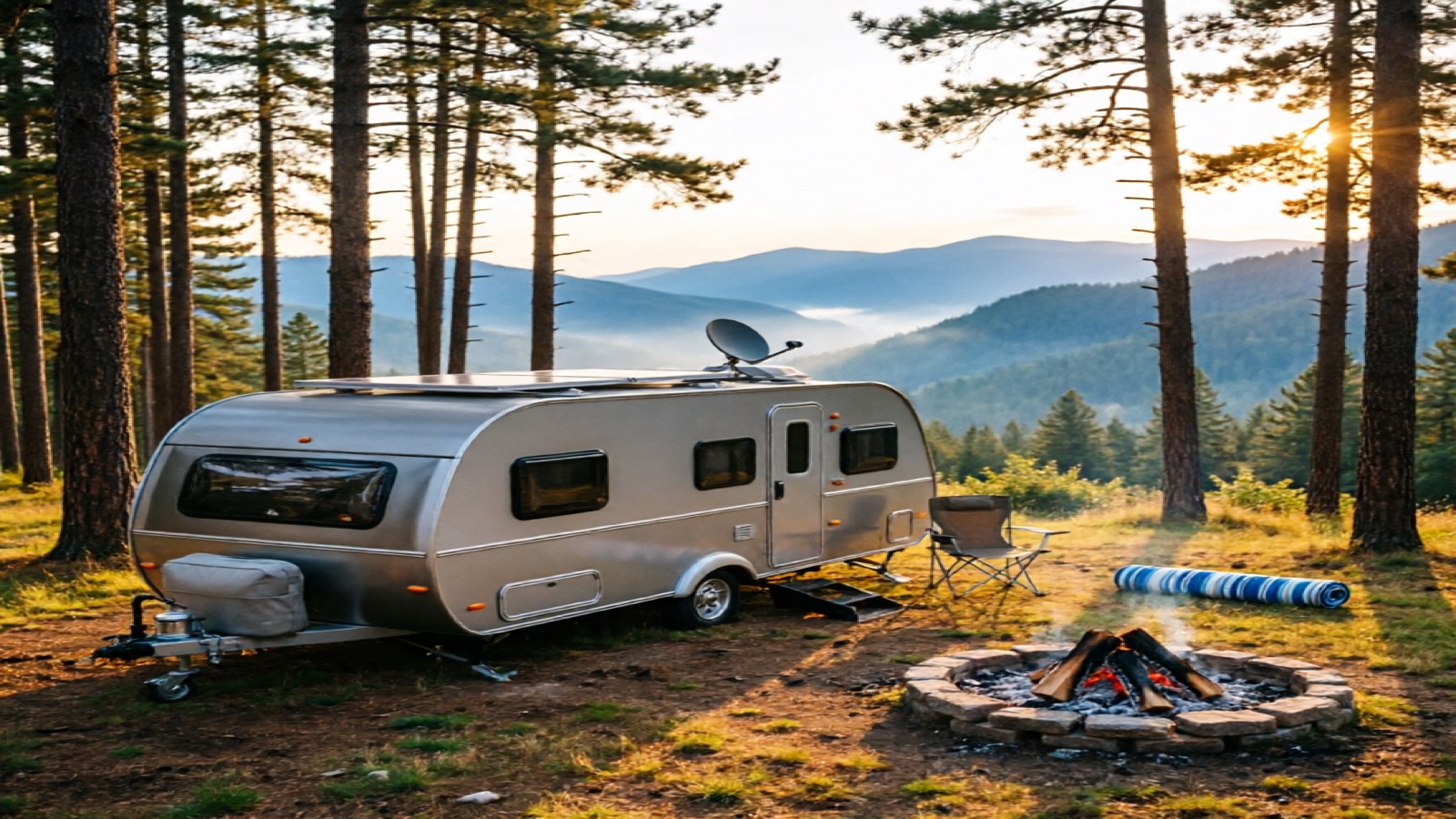
RV camping covers a wide range of experiences, from parking a small camper van at a national park to settling into a full-hookup site at a private RV resort. The type of RV you use shapes the experience, but the core idea stays the same: you bring your home with you.
Motorhomes (Class A, B, and C) are self-contained drivable units. Travel trailers and fifth wheels get towed behind a truck or SUV. Truck campers sit in the bed of a pickup. Each has pros and cons around cost, maneuverability, and comfort.
Compared to car camping, RV camping offers climate control, a real bed, running water, and a bathroom. Compared to tent camping, you skip the setup time and weather vulnerability entirely. The tradeoff is cost and the learning curve of operating RV systems.
Campgrounds fall into several categories. Private RV parks often have full hookups, WiFi, and laundry. State and national parks tend to be more scenic but may only offer electric and water, or no hookups at all. Public land camping (BLM, national forests) is usually free but comes with zero amenities.
Choosing the Right Campground
The campground you pick can make or break your first RV trip. Start by deciding what matters most: convenience, scenery, cost, or solitude.
Full hookup sites provide water, electricity (30 or 50 amp), and sewer at the site. This means you can run the AC, take long showers, and dump tanks without moving. These sites are the easiest for beginners.
Partial hookup sites usually offer water and electric but no sewer. You can still use most RV features, but you will need to visit a dump station before leaving.
Primitive or dry camping sites (also called boondocking) have no hookups at all. You rely on your RV’s battery, fresh water tank, and propane. It is free or very cheap, but requires more planning.
When booking, pay attention to site length, width, and any obstacles like trees or tight turns. Apps like Campendium, RV Parky, and Recreation.gov let you filter by hookup type, price, and user ratings. During peak season (May through September), book at least two to three weeks ahead.
Essential RV Camping Gear
Even if your RV comes fully stocked, there are a few items that make the first trip much smoother.
Leveling blocks are non-negotiable. An unlevel RV means your fridge will not cool properly and sleeping feels wrong. Stackable blocks like the Camco Fasten RV Leveling Blocks are affordable and easy to use.
A drinking water hose is another essential. Regular garden hoses are not rated for drinking water. The Camco TastePURE 25-Ft Water Hose is lightweight and free of lead and BPA.
For electrical protection, a surge protector prevents damage from faulty campground wiring. The GEARGO RV Surge Protector 30 Amp includes a circuit analyzer that checks wiring before you plug in.
Other gear worth packing:
- A camping chair for relaxing outside the RV
- Extension cord (30 amp rated)
- Wheel chocks
- Sewer hose support
- RV toilet paper (dissolves faster)
- First-aid kit and flashlight
Check the full camping packing list for a detailed breakdown.
Planning Your Meals
One of the best parts of RV camping is cooking your own food. Most RVs have a stove, oven, microwave, and refrigerator, giving you real kitchen capability on the road.
Plan meals that use few ingredients and produce minimal waste. Breakfast can be as simple as eggs and toast, or overnight oats if you want zero prep. Lunch works well with sandwiches or wraps that you can make ahead. For dinner, one-pot meals like chili, pasta, or stir-fry keep cleanup easy.
A few meal planning tips for beginners:
- Pre-chop vegetables at home to save time and counter space
- Bring a cooler for overflow drinks and snacks
- Pack one backup meal (canned soup or frozen pizza) in case plans change
- Buy perishables the day you leave, not days before
RV refrigerators run differently than household models. They need the RV to be level to work properly, and they cool more slowly. Turn the fridge on 24 hours before loading it. For more ideas, check out these easy camping meals.
Arriving and Setting Up Your RV
Setting up an RV at a campsite follows a repeatable sequence. Once you do it a few times, it takes under 20 minutes.
Step 1: Pull in and position. Check the site for low branches, rocks, and the location of hookups. Back in or pull through so your hookup side faces the utilities.
Step 2: Level the RV. Place leveling blocks under the low wheels and drive onto them. Use a bubble level inside the RV to confirm. For side-to-side leveling, blocks under wheels work. For front-to-back, use the tongue jack or leveling jacks.
Step 3: Connect utilities. Attach the water hose, plug in the electric (using your surge protector), and connect the sewer hose if the site has sewer.
Step 4: Stabilize. Lower the stabilizer jacks (not leveling jacks — these just reduce bouncing). Do not use them to lift the RV.
Step 5: Set up camp. Roll out the awning, set up chairs, put down the outdoor mat, and get settled.
Arriving before dark makes this entire process far less stressful. Aim to reach your campsite by 3 or 4 PM on travel days.
RV Camping Safety
Safety on an RV trip comes down to preparation and common sense.
Fire safety matters at every campground. Keep a fire extinguisher near the RV door. Never leave a campfire unattended, and check campground rules before burning. Some sites do not allow fires during dry conditions.
Wildlife is part of the appeal of camping, but it requires respect. Store food in sealed containers or the RV fridge, not outside. In bear country, use provided bear boxes for all scented items.
Weather can change quickly. Before each trip, check the forecast and know where the nearest shelter is. If severe weather hits, the RV is safer than a tent but not as safe as a permanent structure.
RV-specific hazards include propane leaks and carbon monoxide. Make sure your detectors are working before each trip. Never run a generator inside or right next to an open window. If you plan to camp in cold weather, be especially careful with portable heaters — ventilation is critical.
For a more detailed safety breakdown, see these camping safety tips.
Campground Etiquette
Good campground etiquette makes the experience better for everyone. Most of it comes down to basic courtesy.
Quiet hours are usually 10 PM to 7 AM. This means no generators, no loud music, and keep voices down. Some campgrounds post different hours, so check the rules when you arrive.
Space is limited. Do not walk through neighboring campsites, and keep your gear within your site boundaries. If you have a large rug or mat, make sure it fits within your area.
Pets are welcome at most campgrounds but must be on a leash (usually 6 feet or shorter). Always pick up after your dog, and do not leave pets unattended outside.
Departure should leave the site as clean as you found it. Dispose of all trash, dump your tanks if needed, and leave the fire ring cleaned out. Many campgrounds have a checkout time (usually 11 AM or noon), so plan your morning routine accordingly.
Common Beginner Mistakes to Avoid
Every experienced RVer has made these mistakes at least once. Learning from others saves time and frustration.
Overpacking is the number one issue. You do not need a full set of pots and pans. You do not need four types of towels. Start with the essentials and add items on subsequent trips as you learn what you actually use.
Not testing systems before departure leads to unpleasant surprises. Run the water pump, test the stove, check the fridge, and make sure the battery is charged. Do this at home, not at the campsite.
Arriving after dark makes setup significantly harder. You cannot see the hookups, leveling is guesswork, and noise concerns are amplified. Plan travel days to arrive with at least two hours of daylight remaining.
Skipping campground research. Not all campgrounds can accommodate all RV sizes. Showing up with a 40-foot fifth wheel at a campground with 25-foot max sites is a bad surprise.
Forgetting reservations during peak season. Popular campgrounds book out months in advance. If you are planning a summer trip, book early.
RV Camping with Kids
Taking kids RV camping is one of the best ways to introduce them to the outdoors. The RV provides a comfortable base with familiar routines around meals and bedtime.
Choose family-friendly campgrounds with playgrounds, swimming areas, and kid-focused activities. KOA campgrounds are particularly good for families, with planned activities and kid-safe layouts.
Set clear boundaries when you arrive. Show kids where they can and cannot go, and establish a rule about always telling an adult before leaving the campsite.
Pack activities that work rain or shine. Board games, coloring books, and a few favorite toys make downtime easier. Nature scavenger hunts and campfire s’mores create the kind of memories that get kids asking to go back.
RV trips with children work best when you build in flexibility. A rigid schedule with a rigid timeline leads to stress. Plan one main activity per day — a hike, a swim, a visit to a nearby attraction — and let the rest unfold naturally. Kids will remember the frog they found at the creek more than any scheduled event.
For more family-specific advice, see our guide to camping with kids.
Managing Waste and Water Systems
This is the part most new RVers dread. In practice, it is straightforward once you understand the basics.
Fresh water is stored in a tank inside the RV. Fill it before you leave home, and refill at campgrounds with potable water. Conserve by taking short showers and not leaving taps running.
Gray water comes from sinks and showers. It drains into a separate tank. Most RVers dump gray water every two to three days of regular use.
Black water is toilet waste. It goes into a sealed tank with chemicals that break down solids and control odor. Dump the black tank when it is about two-thirds full — dumping too often actually causes problems because there is not enough liquid to flush solids through the hose.
To dump tanks:
- Put on disposable gloves
- Connect the sewer hose from the RV valve to the campground dump station
Open the black tank valve first and let it drain completely 4. Close black valve, then open gray valve (gray water helps flush the hose) 5. Close gray valve, remove and store the hose 6. Add fresh water and tank treatment to the black tank
Campgrounds, truck stops, and some gas stations have dump stations. Many are free for guests; others charge a small fee.
One often-overlooked item for sleep comfort: many RV mattresses are thin and firm. Bringing a sleeping bag or mattress topper can make a big difference. Check out our guide to the best camping sleeping bags for options that work well as RV bedding layers.
The RV camping learning curve is real, but every trip gets easier. Start with a short weekend trip close to home so you can troubleshoot problems without being far from your usual resources. Before long, the RV camping setup routine becomes second nature, and the open road starts calling you further out. Check out our beginner camping guide for more general tips that apply to all types of camping.
Frequently Asked Questions
What do I need for my first RV camping trip?
Essentials include bedding, kitchen supplies, a first-aid kit, flashlights, leveling blocks, a water hose, and an extension cord. Print a full checklist before departure so nothing gets left behind.
How do I find RV-friendly campgrounds?
Use apps like Campendium, RV Parky, or Recreation.gov to search for campgrounds with RV hookups. Filter by amenities like water, electric, and sewer connections based on your RV's needs.
What is the difference between full hookup and partial hookup campsites?
Full hookup sites provide water, electricity, and sewer connections at your site. Partial hookups typically offer only water and electric (30 or 50 amp). Primitive or dry camping sites have no hookups at all.
Is RV camping safe for families with kids?
Yes, RV camping is one of the safest ways to introduce kids to the outdoors. Choose family-friendly campgrounds with amenities, set clear boundaries, and keep a first-aid kit on hand.
How much does an RV camping trip typically cost?
Campground fees range from $15 to $80 per night depending on location and hookups. Factor in gas, food, and any rental fees. Budget roughly $100 to $200 per day for a family of four.
Can I camp in an RV without hookups?
Absolutely. This is called boondocking or dry camping. You will need to manage your water, battery power, and waste tanks carefully, but it is a great way to camp in remote locations for free.
What are the most common RV camping mistakes beginners make?
Top mistakes include overpacking, not testing RV systems before departure, forgetting leveling blocks, arriving at campsites after dark, and skipping campground reservations during peak season.