How to Choose a Camping Stove (2026 Guide)
Compare canister, liquid fuel, alcohol, and wood stoves. Learn which type fits backpacking, car camping, or group cooking trips.
The Real Reason Most Campers Buy the Wrong Stove
Walk into any outdoor store and you’ll see 50+ camping stoves ranging from $20 to $300. They all look similar, they all claim to be “the best,” and most buying decisions come down to whatever’s on sale.
The problem isn’t a lack of options — it’s that most campers don’t match the stove to how they actually camp. A backpacker who buys a 20-pound propane stove will leave it in the garage. A car camper who buys a titanium ultralight will spend 25 minutes waiting for water to boil.
This guide covers every stove type, fuel system, and use case so you can skip the trial-and-error and get the right stove the first time.
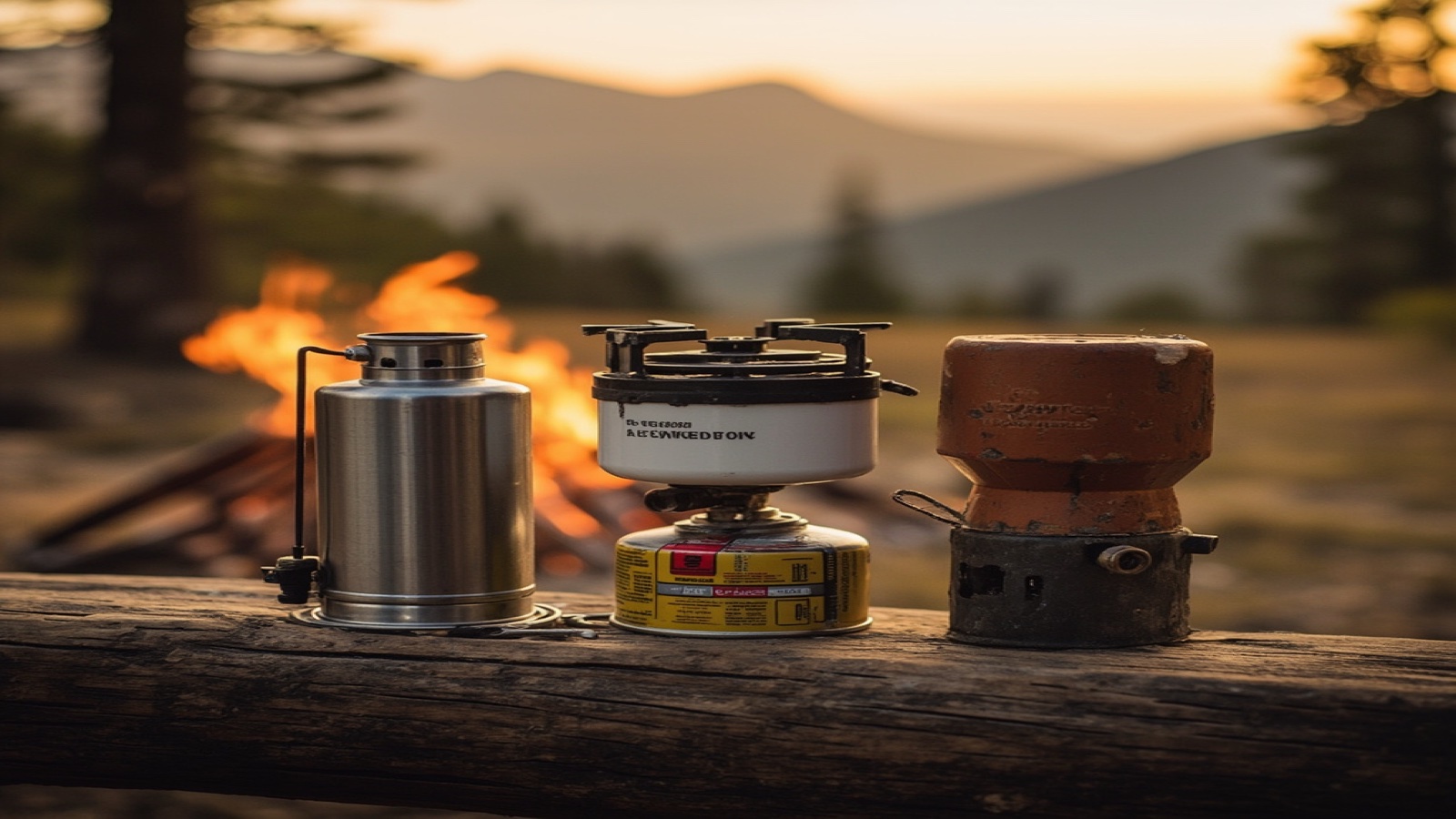
The 4 Main Types of Camping Stoves
Canister Stoves (Isobutane-Propane)
Canister stoves screw onto pressurized fuel canisters and light with a piezo igniter or match. They’re the most popular type for a reason: they’re simple, reliable, and fast.
Best for: Backpacking, solo or duo trips, three-season camping
| Pro | Con |
|---|---|
| Ultralight (2–8 oz) | Poor performance below 20°F (-7°C) |
| Instant heat, no priming | Canisters can’t be recycled or flown |
| Excellent simmer control | Fuel cost adds up ($5–8 per canister) |
| Near-silent operation | Limited to smaller pot sizes |
Who should buy one: If you backpack, bikepack, or do short solo/duo trips, this is your stove. Period.
Liquid Fuel Stoves (White Gas)
Liquid fuel stoves burn white gas (or unleaded gasoline in a pinch) from a refillable bottle. They’re the workhorse choice for serious outdoor cooking.
Best for: Winter camping, expeditions, international travel, large groups
| Pro | Con |
|---|---|
| Works in any temperature, any altitude | Heavier (12–18 oz for the stove alone) |
| Refillable fuel bottle (cheaper long-term) | Requires priming — a learning curve |
| More powerful (10,000–20,000 BTU) | Can be noisy |
| Fuel available worldwide | Maintenance required (cleaning jets, O-rings) |
Who should buy one: Winter campers, alpine climbers, and anyone camping below freezing regularly. Also the smart choice for international trips where canisters are hard to find.
Alcohol Stoves
Alcohol stoves are the minimalist’s choice — essentially a small metal cup that holds denatured alcohol. No moving parts, no valves, no maintenance.
Best for: Ultralight backpacking, thru-hikers, emergency kits
| Pro | Con |
|---|---|
| Extremely light (0.5–2 oz) | Slow boil times (8–12 minutes per liter) |
| No maintenance whatsoever | Very low heat output |
| Fuel available at any hardware store | Wind kills the flame easily |
| Silent operation | No simmer control |
Who should buy one: Thru-hikers counting every ounce and campers who only need to boil water for dehydrated meals. Not for anyone who wants to actually cook food.
Wood-Burning Stoves
Wood stoves use twigs, pine cones, and small branches as fuel — no canisters or bottles needed. They double as a small campfire.
Best for: Survivalists, eco-conscious campers, areas where open fires are restricted
| Pro | Con |
|---|---|
| Free fuel — burn what’s around you | Requires dry wood (tough in rain) |
| No fuel to buy or carry | Soot buildup on pots |
| Doubles as a tiny campfire | Slow to start and inconsistent heat |
| Legal in some fire-restricted areas | Heavier than canister stoves (5–10 oz) |
Who should buy one: Campers in firewood-rich areas who want to go fuel-free. Also useful as a backup stove on longer trips.
Propane vs Butane: Which Fuel System?
This confuses more campers than any other topic, so here’s the simple version:
Propane:
- Works in cold weather (vaporizes down to -44°F/-42°C)
- Available everywhere — gas stations, hardware stores, big-box retailers
- Higher pressure = more heat output
- Heavier canisters
Butane:
- Cleaner burn, better simmer control
- Lighter canisters
- Stops working below 31°F (0°C) — it simply won’t vaporize
- Slightly harder to find in rural areas
For most three-season campers: Butane (or isobutane-propane blend) is fine. You won’t be camping in sub-freezing temps.
For winter or high-altitude campers: Propane, no question.
The practical answer: Most modern canister stoves use an isobutane-propane blend that gives you 80% of propane’s cold-weather performance with butane’s weight and simmer benefits. It’s the best of both worlds for 90% of camping trips.
How Many BTUs Do You Actually Need?
BTU (British Thermal Unit) measures how much heat a stove produces. Higher BTU = faster boil time. But more BTU isn’t always better — you trade efficiency for raw power.
| Camping Style | Recommended BTU | Why |
|---|---|---|
| Solo backpacking | 8,000–10,000 | Boils 1L in 3–4 min, sips fuel |
| Duo backpacking | 10,000–12,000 | Handles 2L pot for two people |
| Car camping (2–4 people) | 20,000–30,000 | Two burners, fast boil for group meals |
| Large group (5+) | 30,000+ BTU | Multiple burners, griddle capability |
A common mistake: buying a high-BTU stove for backpacking. A 20,000 BTU monster will boil water in 90 seconds but guzzle fuel and weigh three times more than a 10,000 BTU model that boils in 3.5 minutes. For most backpackers, that extra 2.5 minutes doesn’t matter.
Stove Safety: The Non-Negotiables
Every year, campers get injured from stove accidents that are completely preventable.
-
Never cook inside a tent — Carbon monoxide is odorless and kills quickly. Always cook outside or under a vestibule with full ventilation.
-
Stabilize your stove — Use a flat rock or stove platform on uneven ground. A tipped stove with boiling water is a scald hazard.
-
Keep fuel away from heat — Store extra canisters and fuel bottles at least 10 feet from the lit stove.
-
Check for leaks — Before lighting, listen for hissing. For canister stoves, make sure the connection is tight. For liquid fuel, check O-rings for cracking.
-
Extinguish properly — Turn off the fuel valve first, let the remaining gas burn off, then close the stove valve. This prevents fuel from pooling in the burner.
Matching Stove to Camping Style
| Your Trip | Best Stove Type | Example Budget |
|---|---|---|
| Solo overnight backpack | Canister (ultralight) | $40–$80 |
| Week-long thru-hike | Canister or alcohol | $50–$100 |
| Winter camping | Liquid fuel | $100–$150 |
| Car camping (2 people) | 2-burner canister | $60–$120 |
| Car camping (family) | 2-burner propane | $80–$150 |
| International travel | Liquid fuel (multi-fuel) | $120–$180 |
| Survival / emergency kit | Alcohol or wood | $15–$50 |
Maintenance Tips That Extend Stove Life
- Canister stoves: Wipe burner head after each trip. Check for spider webs in the jet (yes, really — spiders love pilot lights). Store detached from the canister.
- Liquid fuel stoves: Run the pump dry before storage. Clean the jet with a cleaning needle annually. Replace O-rings once a year (they cost $2). Check fuel lines for cracking.
- Wood stoves: Empty ash after each use. Remove soot from the cooking surface with steel wool. Check for warping on thin titanium models.
For a deeper look at specific stove models and head-to-head comparisons, check out our best camping stoves review. For meal ideas to use with your new stove, see our easy camping meals guide and campfire cooking guide.
Frequently Asked Questions
What type of camping stove is best for beginners?
A canister stove is the best choice for beginners. They're lightweight, easy to light with a built-in piezo igniter, and require zero maintenance. Models like the MSR PocketRocket Deluxe cost under $80, simmer well for cooking real meals, and screw onto standard isobutane-propane canisters available at any outdoor store.
How many BTUs do I need for a camping stove?
For backpacking, 8,000–12,000 BTU is plenty — it boils a liter of water in 3–4 minutes. For car camping, look for 20,000+ BTU if you're cooking for 2–4 people. A single 10,000 BTU burner takes about 8–10 minutes to boil a large pot, which is fine for coffee but slow for group meals.
Can I use a camping stove in a tent?
Never use a fuel-burning stove inside a tent. Carbon monoxide poisoning kills campers every year, and open flames near nylon fabric are an obvious fire hazard. If you need warmth, use a dedicated tent-safe heater with a low-oxygen shutoff, or better yet, invest in a quality sleeping bag and pad.
What's the difference between propane and butane camping stoves?
Propane performs better in cold weather (works below freezing) and is widely available at gas stations and hardware stores. Butane is lighter, burns cleaner, and simmers more precisely, but stops vaporizing below 31°F (0°C). For three-season camping, butane is fine. For winter camping, go propane.
How do I clean and maintain a camping stove?
After each trip, wipe the burner head with a damp cloth and check for clogged jets using a needle or compressed air. For canister stoves, detach the stove from the canister before storage. For liquid fuel stoves, run the fuel line dry and clean the generator needle annually. Store all stoves in a dry place — rust is the main killer.